
Effective Methods for Removing Black Mold in Your Bathtub
Black mold can be a persistent problem in many households, especially in damp areas like bathtubs. It not only detracts from the bathroom’s appearance but also poses serious health risks if left untreated. Many homeowners are often unsure about how to effectively clean black mold in bathtub surfaces without harming themselves or their environment. Fortunately, there are both natural remedies and chemical solutions available that can help tackle this issue effectively. This article will explore various methods for removing black mold and provide preventive measures to ensure it doesn’t return.
Key Takeaways
Regular cleaning and inspection of caulking and seals are essential to prevent mold growth in bathtubs.
Use effective cleaning supplies such as mold removers, bleach, vinegar, and baking soda for thorough mold removal.
Consider natural remedies like vinegar, baking soda, and tea tree oil as environmentally-friendly options for cleaning and prevention.
Be aware of health risks associated with black mold exposure, especially for vulnerable populations like children and the elderly.
Identifying Black Mold in Your Bathtub
Identifying black mold in a bathtub can be challenging, but it’s often characterized by dark spots or a musty odor. Many homeowners might overlook these signs, thinking they’re just dirt or soap scum. It’s crucial to inspect the caulking and grout, as these areas are prone to moisture accumulation. If there’s a persistent dampness, it’s likely mold could be growing beneath the surface. Some individuals might notice an increase in allergies or respiratory issues when using the bathtub.
Visual clues, such as fuzzy or slimy textures, can also indicate a mold problem. Sometimes, it might appear green or brown instead of black, further complicating identification. Regular cleaning can help prevent mold from becoming a larger issue. Identifying black mold early on can save time and effort in the long run.
Health Risks Associated with Black Mold
Many people underestimate the health risks associated with black mold exposure in their homes. It can lead to respiratory issues, such as asthma and chronic cough. Individuals with weakened immune systems are particularly vulnerable to severe reactions. Allergic reactions might occur, causing skin rashes and eye irritation. Long-term exposure could result in more serious health complications, including lung infections. It’s not uncommon for headaches and fatigue to develop as well. Some symptoms mimic those of common colds, making it easy to dismiss them. Children and the elderly are at a higher risk of experiencing adverse effects. Ignoring the presence of black mold can have lasting consequences on one’s health.
Essential Cleaning Supplies for Removal
The right cleaning supplies can make a significant difference in tackling mold in the bathtub. A good mold remover is essential, as it targets the stubborn spores effectively. Household bleach is often used, but it’s not the only option available. Vinegar’s natural acidity can also break down mold without harsh chemicals. Baking soda serves as a gentle abrasive that helps scrub away mold while deodorizing the area. A spray bottle makes application easier and allows for thorough coverage of the affected surfaces. Rubber gloves protect hands from irritation during the cleaning process. A scrub brush with stiff bristles can reach into crevices where mold hides. Lastly, a microfiber cloth is perfect for wiping down surfaces after cleaning, ensuring no residue remains.
Natural Remedies for Black Mold
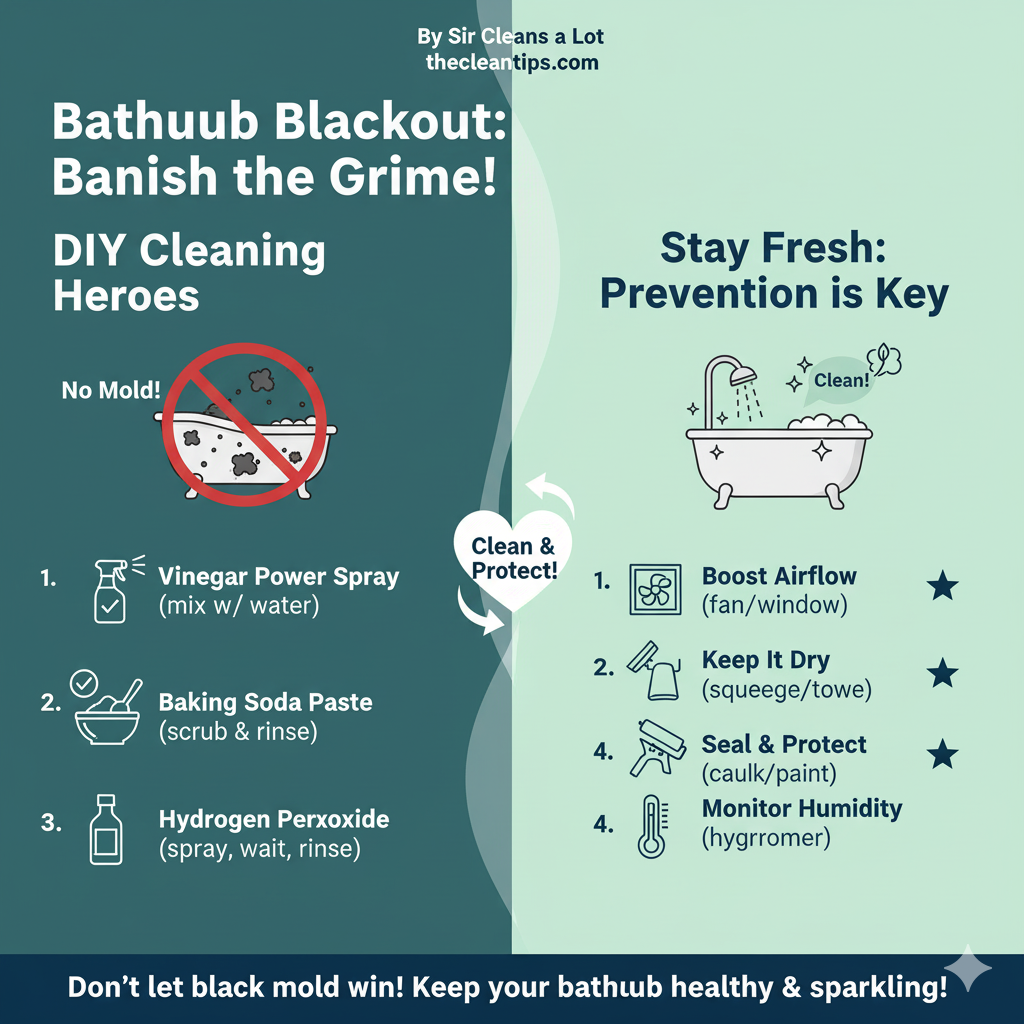
Natural remedies for black mold in bathtubs often include vinegar and baking soda, which can help eliminate the problem without harsh chemicals. Many homeowners find that a mixture of these two ingredients creates a powerful cleaning solution. It’s also common for people to use hydrogen peroxide, as it acts as a natural disinfectant. Tea tree oil is another favored option, known for its antifungal properties.
Those who prefer an aromatic touch might add a few drops of essential oils to their cleaning solutions. Lemon juice is often used too, due to its acidity and pleasant scent. Some individuals turn to salt as a gentle abrasive that can scrub away mold without damaging surfaces. Regular application of these natural remedies can help prevent mold from returning. Ultimately, these methods provide an environmentally friendly approach to maintaining a clean bathtub.
Chemical Solutions for Effective Removal
Chemical solutions can effectively tackle mold issues in bathtubs, ensuring a thorough clean. Many people turn to bleach for its powerful disinfecting properties. It’s often diluted with water to create a potent solution that penetrates stubborn mold. Another popular choice is hydrogen peroxide, which can kill mold spores without harsh chemicals. Vinegar, while a natural remedy, can also be found in commercial products designed to combat mold. Some individuals prefer specialized mold removers that are formulated specifically for bathroom surfaces. These products often contain surfactants that help lift mold away from tiles and grout. Users should always follow safety instructions to avoid inhalation or skin irritation. A thorough rinse after application ensures that no residue remains on surfaces.
Preventive Measures to Avoid Mold Growth
Preventive measures can significantly reduce the chances of mold growth in bathtubs if consistently applied. Regularly cleaning the bathtub with mildew-resistant products helps eliminate potential spores. It’s important to ensure proper ventilation in the bathroom, as this reduces humidity levels. Using a squeegee after each shower can prevent water accumulation. Sealing any cracks or gaps around the tub minimizes moisture retention. It’s advisable to keep bath mats and towels dry and clean to avoid damp environments. Installing a dehumidifier can also be beneficial in high-humidity areas. Regular inspections for leaks can catch potential problems early. Maintaining a consistent cleaning routine makes a significant difference in mold prevention.
Cleaning Techniques for Different Surfaces
Different surfaces require specific cleaning techniques to effectively remove black mold from bathtubs. Non-porous surfaces, like acrylic and fiberglass, can usually be cleaned with a mixture of water and vinegar. For porcelain bathtubs, a baking soda paste is often recommended, as it gently scrubs without scratching the surface. When dealing with tile grout, a stronger solution with hydrogen peroxide might be necessary to penetrate the porous material.
It’s important to avoid harsh chemicals on natural stone surfaces, as they can cause damage. Instead, a mild soap and water solution is often sufficient for granite or marble tubs. If the mold persists, a specialized stone cleaner can be used, but it should be tested on a small area first. For any surface, thorough rinsing is crucial to remove all cleaning agents and prevent residue buildup. Ultimately, maintaining a regular cleaning schedule can help keep mold at bay.
When to Call a Professional
Signs of extensive black mold growth often indicate that it’s time to call a professional. Homeowners might notice dark patches that seem to spread despite their cleaning efforts. If the mold returns quickly after being removed, that’s another signal for professional help. Those with health conditions may experience increased symptoms when mold is present, necessitating expert intervention.
When mold is found in hard-to-reach areas, such as behind the bathtub or under fixtures, it’s best to seek assistance. If there’s a persistent musty odor that won’t go away, it’s a sign that mold is lurking somewhere. Professionals have the right tools and expertise to handle extensive infestations safely. They can also ensure proper disposal of contaminated materials to prevent future growth. In cases where mold covers a large area, it’s crucial to call in the experts for thorough remediation.
Maintaining a Mold-Free Bathtub
Keeping a bathtub free of mold requires regular cleaning and proper ventilation to ensure dampness is minimized. It’s essential to wipe down the surfaces after each use to remove excess moisture. One effective method is to use a squeegee to eliminate water from the tub and walls. Installing a vent fan can help circulate air and reduce humidity levels. It’s also beneficial to check for any leaks in the plumbing, as they can create a breeding ground for mold. Regularly inspecting caulking and seals can prevent water from seeping into crevices. Using mold-resistant products can offer additional protection. Scheduling deep cleanings every few weeks ensures that mold doesn’t have a chance to take hold. Keeping the bathroom well-ventilated during and after showers can significantly reduce mold growth.
Frequently Asked Questions
How can i tell if the mold in my bathtub is black mold specifically?
When determining if the mold in a bathtub is specifically black mold, one should look for a few key characteristics. Typically, black mold appears as a dark greenish-black color, often with a slimy texture. It usually thrives in damp, humid environments, making bathrooms a prime location. One might also notice a musty odor accompanying the mold, which can help in identification. However, it’s important to note that not all dark mold is black mold, as other types can also appear similarly. If there’s any doubt, consulting a professional for testing might be the best course of action.
What should i do if my bathtub has persistent mold after cleaning?
If someone’s bathtub has persistent mold after cleaning, they should first evaluate their cleaning methods. It’s possible that the products they’re using aren’t strong enough to tackle the mold effectively. They might also need to consider the frequency of cleaning, as mold can thrive in damp environments if not addressed regularly. If the problem continues, it could indicate an underlying issue, such as poor ventilation or plumbing leaks. Consulting a professional could provide a more thorough solution, especially if the mold keeps returning. Additionally, ensuring the bathroom is well-ventilated and dry can help prevent future mold growth.
Are there any specific brands of cleaning products recommended for black mold removal?
When it comes to dealing with black mold, many people wonder if there are specific brands of cleaning products that can effectively tackle the issue. While personal preferences may vary, some popular brands have garnered positive reviews for their mold removal capabilities. Products like Clorox, Mold Armor, and Zep are often recommended due to their strong formulations. They typically contain ingredients designed to kill mold and prevent its return. However, it’s crucial to follow the instructions on the label to ensure safety and effectiveness. Ultimately, choosing the right product can make a significant difference in keeping mold at bay.
If you’re tackling black mold in your bathtub, you might also want to explore effective techniques for removing bathroom mold from walls. This helpful guide offers practical solutions that can enhance your cleaning efforts and ensure a mold-free environment throughout your bathroom. Check it out here: remove bathroom mold from walls.