
How to Remove Permanent Marker and Sharpie Stains from Fabric
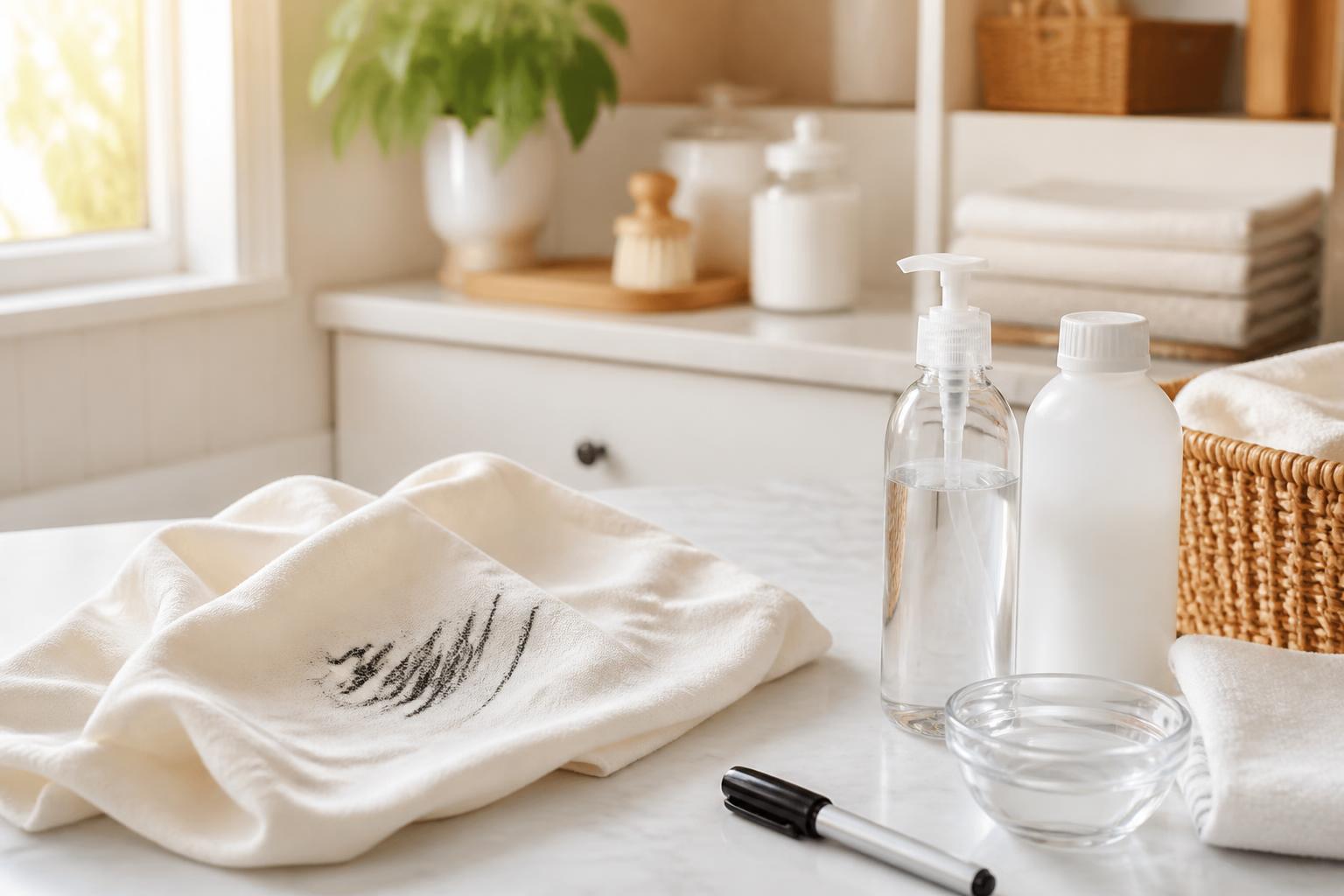
The most effective way to remove permanent marker from fabric is to use rubbing alcohol for fresh stains and acetone for dried stains on colorfast natural fibers. Before applying any solvent, check the fabric care label and test a hidden spot with your chosen cleaner. For synthetic fabrics like polyester or spandex, skip acetone and use hand sanitizer or a dish soap and baking soda paste instead. This guide gives you clear action sequences, a stop threshold so you know when to switch methods, and a decision template for different fabric and marker combinations.
Quick Checks Before You Start
Run through these five checks to choose the right method and avoid damaging the fabric. Each item is a pass/fail decision that changes your next step.
- Fabric type: Natural fibers (cotton, linen, denim) can handle strong solvents. Synthetics (polyester, nylon, spandex) may melt or warp with acetone. Delicates (silk, wool, acetate) need only mild soap.
- Stain age: Fresh stains (under 30 minutes) lift easily with alcohol. Dried stains (hours or days old) need a stronger solvent like acetone or a degreaser.
- Colorfastness: Wet a cotton ball with your chosen solvent and dab an inside seam. If dye transfers onto the ball, switch to a milder option like hand sanitizer.
- Marker type: Standard Sharpies are solvent‑based. Expo dry‑erase markers are alcohol‑based and easier to remove. Oil‑based permanent markers require a degreaser like WD‑40.
- Ventilation and safety: Solvents are flammable. Work near an open window or with a fan. Keep away from candles, stoves, or pilot lights.
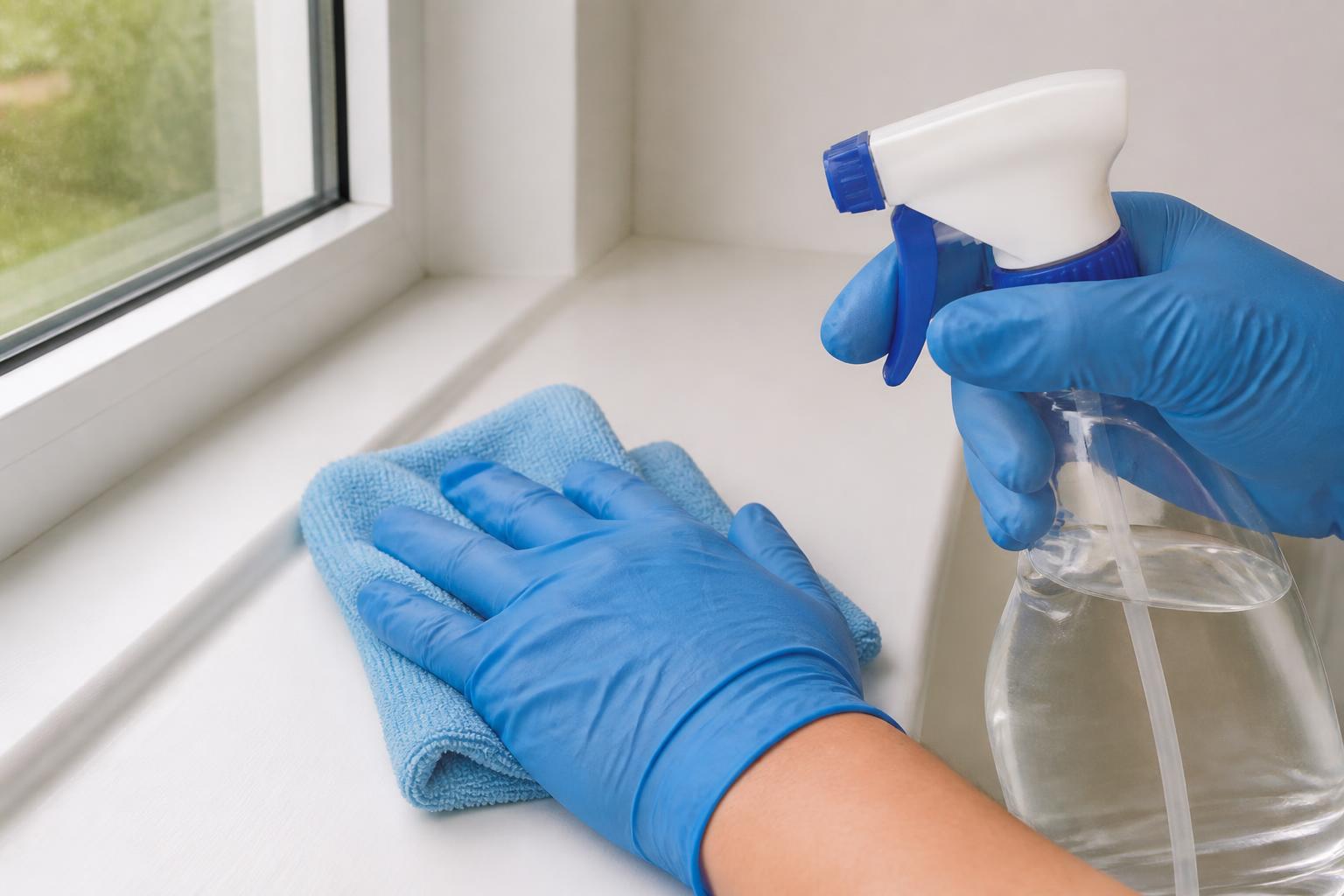
If you have a fresh stain on cotton, go directly to rubbing alcohol. For a dried stain on a synthetic garment, start with hand sanitizer or a baking soda paste. If the fabric is silk or wool, use only a mild soap solution and blot gently.
Preparation Checkpoint: Operator Flow
Gather these supplies before you touch the stain. Having everything ready prevents rushed decisions that can spread the ink or damage the fabric.
- Clean white cloths or paper towels (colored cloths may transfer dye)
- Rubbing alcohol (70% or higher) or acetone‑based nail polish remover
- Hand sanitizer (alternative for sensitive fabrics)
- Dish soap and water
- Small bowl or cup
- Spoon or dull knife for gentle scraping
Checkpoint #1: Blot any excess wet ink immediately with a dry paper towel. Dab from the outside of the stain inward. Do not rub — rubbing pushes the marker deeper into the fibers. If the ink is still wet, you can lift a surprising amount by changing the paper towel as soon as it gets saturated.
Checkpoint #2: Confirm the fabric type and test colorfastness on a hidden seam. This 30‑second test prevents accidental damage. If the fabric is acetate or triacetate, stop and use only mild soap.
Checkpoint #3: Place the garment over a stack of paper towels. Position the stain side down so the solvent pushes ink onto the towels. This avoids spreading the stain to other parts of the garment.
Fresh Permanent Marker Stains: Rubbing Alcohol Method
Position the fabric stain‑side down over a stack of paper towels. Apply rubbing alcohol to the back of the stain using a dropper or a cotton ball. The solvent pushes the ink through the fabric and onto the towels below.
How much to use: Saturate the area but do not soak through to the tabletop. For a quarter‑sized stain, use about 1–2 teaspoons. For larger stains, work in sections.
Blot, do not scrub: Press a clean white cloth onto the stain, lift, and repeat. Change the paper towel underneath when it becomes colored. Scrubbing drives the ink sideways into clean fibers.
Time: Continue blotting for 2–3 minutes. If the stain lightens significantly, rinse with cold water and wash as usual on the hottest safe setting. If the stain is still visible after 3 minutes, move to the dried‑stain method.
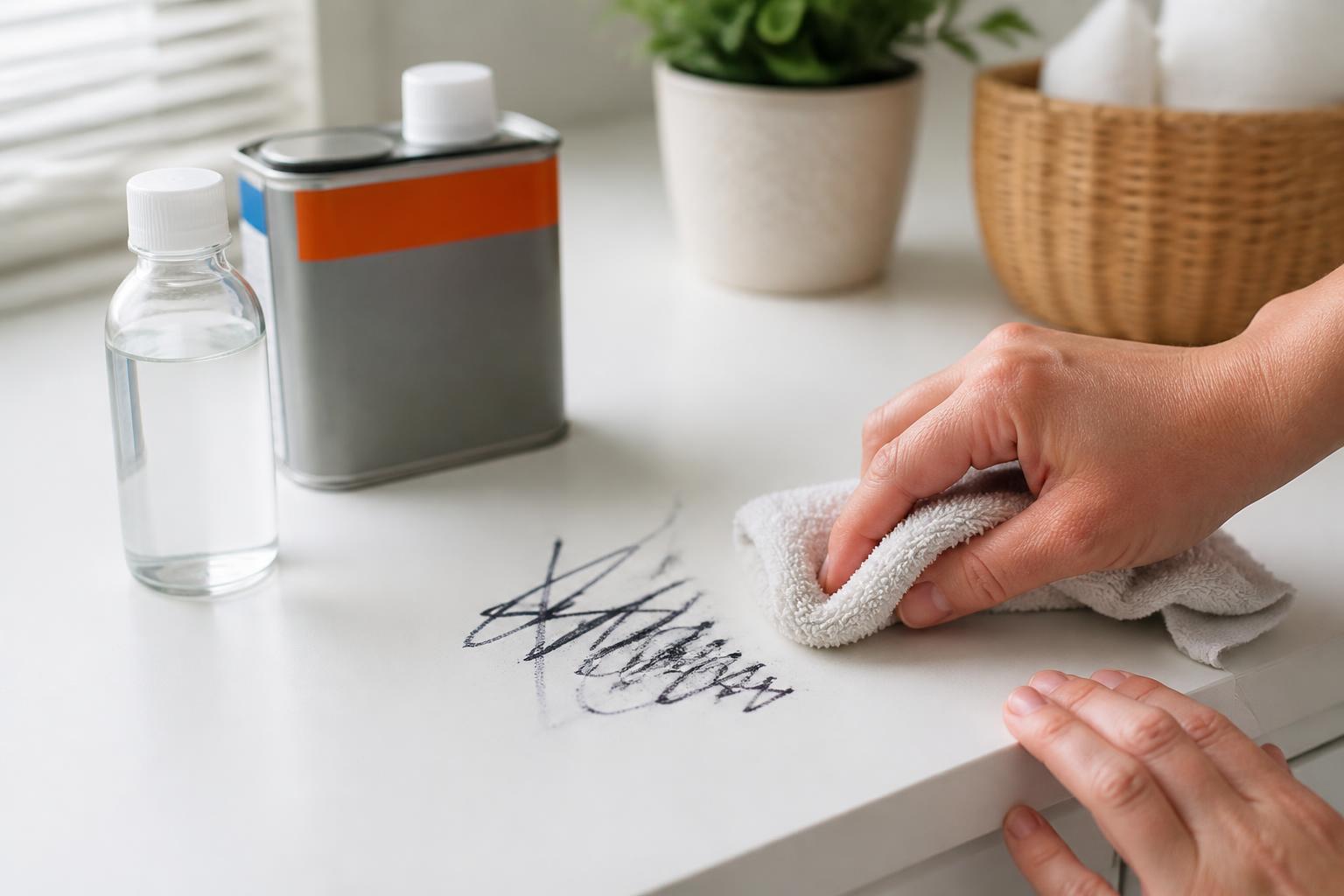
Friction point on thick fabrics: Denim or canvas may need the alcohol to sit for 30–60 seconds before blotting, so the solvent can penetrate. For thin fabrics like silk, work quickly and use less solvent to avoid spreading the ink.
Likely cause of failure: Not changing the paper towel underneath. Once the towel is saturated with ink, it starts re‑depositing the stain back into the fabric. Replace it every two blotting rounds.
Dried Permanent Marker Stains: Acetone or Degreaser
For stains that have set for hours or days, alcohol alone may not be enough. Switch to acetone (nail polish remover) if the fabric is colorfast and not made of acetate or triacetate — acetone can dissolve those synthetic fibers entirely.
Test first: Apply one drop of acetone to a hidden hem. Wait 1 minute. If the color changes or the fabric softens, stop. Use hand sanitizer instead.
Procedure: Place the fabric over a clean paper towel. Apply a few drops of acetone directly to the stain. Blot immediately. The ink should transfer rapidly onto the towel. Replace the paper towel as it darkens. Repeat until no more ink lifts — usually 3–5 blotting rounds for a dried stain.
Stop and escalate threshold: If after five rounds of acetone the stain remains completely unchanged, stop. Acetone can weaken natural fibers if overapplied. Move to a degreaser like WD‑40 or a product like Goo Gone. Apply WD‑40 sparingly, let it sit for 5 minutes, blot, then wash with dish soap to remove the oily residue.
Success check: The stain should be faint or gone. If only a shadow remains, apply a laundry pre‑treater like Shout or OxiClean and wash in the hottest water the fabric allows. If after washing the stain is still visible, do not put the item in the dryer — heat sets permanent marker permanently. Repeat the solvent treatment or consider professional dry cleaning.
Escalation for delicate fabrics: For silk, wool, or acetate, stop after three gentle blotting rounds with mild soap solution. If the stain persists, take the garment to a professional cleaner. Do not use acetone or strong solvents on these fibers.
Rinse and Launder
After the solvent treatment, the fabric still contains residual ink and solvent. Rinse the treated area under cold running water for 30 seconds. Apply a small amount of liquid dish soap directly to the spot, rub gently with your fingers, and rinse again.
Finally, wash the garment in the washing machine using the hottest setting safe for the fabric. Do not dry the item in the dryer until you are certain the stain is gone. If any trace of ink remains after washing, repeat the solvent treatment before drying. Air‑drying is the safest way to confirm success.
Decision Criterion: Choosing the Right Solvent for Your Fabric and Stain
The recommendation changes based on fabric type and stain age. Use this simple decision rule to avoid mistakes.
- Cotton, linen, denim, and poly‑cotton blends: Alcohol for fresh stains; acetone for dried stains. These fibers tolerate strong solvents well. For a dried stain on cotton, you can safely apply acetone up to five times before switching to a degreaser.
- Synthetics (polyester, nylon, spandex): Hand sanitizer for fresh stains; a paste made from dish soap and baking soda for dried stains. Acetone can melt these fibers. If the baking soda paste fails after two applications, try WD‑40 but wash thoroughly afterward.
- Delicates (silks, wool, acetate): Only a very mild soap solution (1 teaspoon dish soap in 1 cup water). Blot gently and never rub. After three attempts with no improvement, stop and take the item to a professional dry cleaner.
Concrete Example: Cotton T‑Shirt with Dried Sharpie
You have a cotton T‑shirt with a dried Sharpie mark from three days ago. The fabric is 100% cotton and colorfast (tested on the inside hem). Using the decision criterion above, you choose acetone.
- Place the stain over a paper towel. Apply 3 drops of acetone.
- Blot for 30 seconds. The ink rapidly lifts onto the towel.
- Repeat twice. On the third round, only a faint gray shadow remains.
- Rinse with cold water, apply dish soap, wash on warm cycle.
- Result: Stain completely gone after washing.
If the same stain were on a polyester athletic shirt, you would use hand sanitizer instead. Apply it, let it sit for 2 minutes, blot, rinse, and wash. If the stain lingers, make a paste of baking soda and dish soap, apply, let dry, and brush off before washing.
Stain Removal Decision Template
Use this quick‑reference template when you encounter a permanent marker stain on fabric. It works for Sharpie, Expo markers, and other permanent markers.
Input: fabric_type, stain_age, marker_type

If fabric_type == "cotton" or "linen" or "denim":
 If stain_age == "fresh":
 Solvent = "rubbing alcohol"
 Else: // dried
 Solvent = "acetone"

Elif fabric_type == "polyester" or "nylon" or "spandex":
 If stain_age == "fresh":
 Solvent = "hand sanitizer"
 Else:
 Solvent = "dish soap + baking soda paste"

Else: // silk, wool, acetate
 Solvent = "mild soap solution (1 tsp dish soap in 1 cup water)"
 Action = "blot only, no rubbing"

If marker_type == "Expo (dry-erase)":
 Solvent = "rubbing alcohol (always effective)"

Procedure:
 1. Blot excess ink.
 2. Apply solvent to back of stain.
 3. Blot with clean cloth.
 4. Repeat until no ink lifts.
 5. Rinse and launder.
Common Mistakes That Worsen Permanent Marker Stains
Rubbing instead of blotting: Rubbing forces ink deeper into the weave. Always blot from the outside inward. This single habit prevents most stain‑spreading disasters.
Using bleach too early: Bleach can react with permanent marker solvents and create a chemical stain or weaken the fabric. Save bleach for the final laundry step only if you are certain the stain has lifted completely.
Skipping the test patch: Even “colorfast” fabrics can bleed unexpectedly. A 30‑second test on a hidden seam saves you from ruining the entire garment.
Putting the item in the dryer: Heat sets permanent marker permanently. Always air‑dry until you confirm the stain has lifted. If you dry a garment with a remaining stain, that stain becomes irreversible.
Frequently Asked Questions
How do you remove Sharpie from fabric?
The method depends on stain age. For fresh Sharpie, dab rubbing alcohol on the stain and blot. For dried Sharpie, use acetone on cotton or a degreaser like WD‑40 on synthetics. Always test a hidden area first to confirm the fabric can tolerate the solvent.
Can you remove dried permanent marker?
Yes, but it requires a stronger solvent than fresh stains. Acetone works on most natural fibers, while a paste of dish soap and baking soda can lift dried marker from synthetic fabrics without damaging them. Repeated blotting and patience are essential for success. If the stain remains after five attempts, consider professional cleaning.
Does WD‑40 remove permanent marker?
Yes, WD‑40 can dissolve the oil‑based binders in many permanent markers. Spray a small amount on the stain, let it sit for 5 minutes, blot, then wash with dish soap to remove the oily residue. It works especially well on synthetic fabrics and plastic surfaces.
Does Dawn soap remove Sharpie?
Dawn dish soap alone is not strong enough to remove permanent marker, but it serves as an effective follow‑up step after a solvent treatment. After using alcohol or acetone, apply a drop of Dawn to break down any remaining residue and rinse thoroughly before laundering.
Explore This Topic
– How to Get Marker and Pen Off Walls Without Damaging Paint
– How to Remove Ink Stains from Clothing: Ballpoint, Gel, and Fountain Pen
– How to Remove Rust Stains from Clothing and Fabric

Sir Cleans a Lot is a professional home cleaning specialist with over 10 years of hands-on experience. He has helped thousands of homeowners tackle stubborn stains, eliminate mold, and keep their homes spotless using practical, science-backed methods. When he’s not testing the latest cleaning products or researching stain removal techniques, he’s sharing his expertise to make cleaning easier for everyone.