
Best Cleaners for Painted Wood Surfaces
Painted wood is a hybrid surface: it has the porous vulnerability of raw wood underneath, but the protective layer on top behaves more like plastic. That combination is exactly why so many cleaning products fail—or worse, ruin the finish. The best cleaner for painted wood surfaces has to dissolve grime without softening the paint, and most all-purpose sprays fail that test because they rely on solvents or alkaline degreasers that attack the binder in the paint.
The short answer: a pH-neutral, plant-based multi-surface cleaner is your safest bet for routine maintenance, while enzyme-based cleaners earn their keep on specific stain types. Below, we break down the trade-offs, the failure modes, and the decision framework that actually matters.
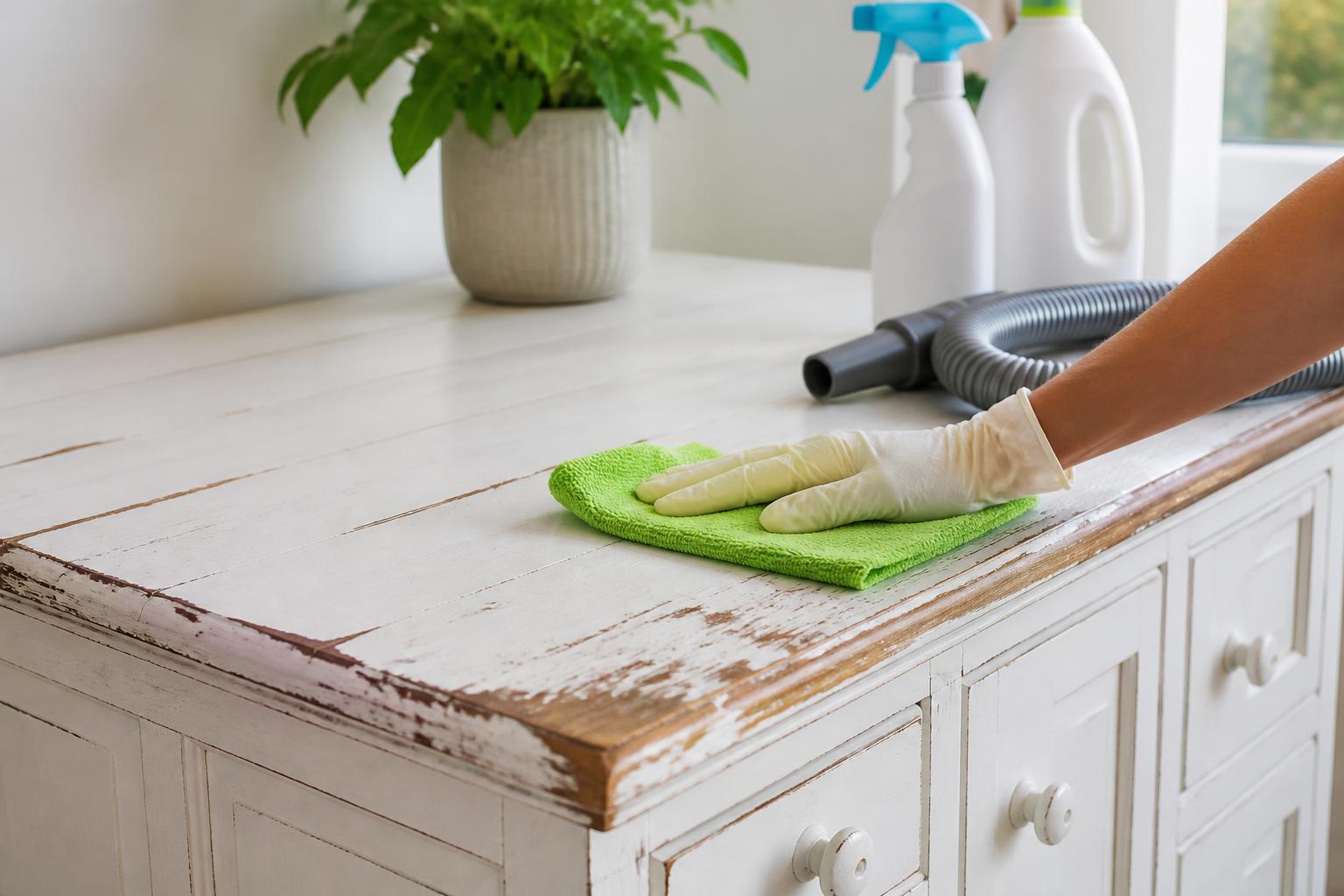
Why Most Cleaners Fail on Painted Wood
The most common failure mode isn’t a dramatic paint peel. It’s subtle: a gradual dulling of the sheen, a sticky residue that attracts dust, or—worse—micro-cracking that only becomes visible months later when the paint starts flaking.
Here’s the mechanism. Many “all-purpose” cleaners are formulated with alkaline builders (often around pH 10–12) to cut grease. On tile or stainless steel, that’s fine. On painted wood, those same alkalines saponify the oils in the paint binder. The surface doesn’t dissolve instantly, but each cleaning session strips a microscopic layer of the finish. Over a year of weekly cleaning, the difference is visible: the paint loses its gloss, and the color looks chalky.
How to detect it early: After cleaning, run your fingertip across the surface. If it feels slightly tacky or “grabby” rather than slick, you’re leaving residue behind. That residue is the first stage of finish breakdown. A second test: wipe with a dry microfiber cloth. If the cloth picks up any color tint, the paint is being transferred—stop using that cleaner immediately.
The second failure mode is simpler: abrasives. Scouring powders and “scrubbing” sprays contain ground minerals that act like fine sandpaper. On a flat wall, the damage is invisible until you catch it in raking light. On trim and baseboards, it shows up as a sheen mismatch between the scrubbed areas and untouched sections.
One important boundary: the recommendations in this article assume your painted wood has a sound, intact finish—whether latex, oil-based, or marine-grade. If your paint is already chalky, crazed, or peeling, no cleaner will fix it, and even gentle products can accelerate the breakdown by penetrating cracks and softening the failing binder. Test the paint’s condition first by pressing a piece of painter’s tape onto the surface and pulling it off slowly; if paint comes away with the tape, skip cleaning entirely and plan for repainting or refinishing.
What to Look For in a Painted Wood Cleaner
Not every cleaner needs to be labeled “for painted wood.” You just need to check three things:
1. pH neutrality (target: 6.5–8.0). Neutral pH cleaners don’t attack the paint binder. If the label doesn’t list pH, look for phrases like “pH balanced” or “gentle on finishes.” Avoid anything with the words “degreaser,” “heavy-duty,” or “industrial strength” unless you’re cleaning a painted surface that’s also been sealed with a marine-grade topcoat.
2. No petroleum solvents. Solvents like mineral spirits or glycol ethers can soften latex and oil-based paints. The label should explicitly state “no petroleum solvents” or list water as the primary ingredient.
3. Residue-free formulation. The cleaner should evaporate or wipe away completely. Ingredients like glycerin or certain surfactants leave a film that collects dust and can make the surface look hazy.
How to verify on the actual product: Before buying, flip the bottle and check the ingredient panel for the words “glycol ether,” “mineral spirits,” “ammonia,” or “sodium hydroxide.” These are deal-breakers for painted wood. If the label lists pH at all, it’s usually on the back near the usage instructions. When in doubt, contact the manufacturer directly—most will share pH data if you ask, and a brand that won’t answer that question isn’t worth the risk on a painted surface.
The Comparison: Three Cleaners That Work on Painted Wood
We evaluated three products that take different approaches to the same problem. Each has a legitimate use case, but they are not interchangeable.
| Product | Best For | Key Features | Watch Out For |
|---|---|---|---|
| Better Life All Purpose Cleaner | Routine cleaning on interior painted walls, trim, and furniture | Plant-based surfactants; no petroleum solvents, chlorine, bleach, added alcohols, parabens, SLS, or SLES; unscented formula | Not formulated for heavy grease or outdoor UV exposure; skip it on unsealed or chalky paint |
| STAR BRITE Non-Skid Deck Cleaner | Painted surfaces on boats, composite decks, and outdoor furniture | Chelating agents lift dirt without harsh scrubbing; leaves a polymer barrier that repels future stains; safe on fiberglass, vinyl, rubber, plastic, metal, and painted surfaces | Designed to be rinsed off, so it’s not ideal for interior walls; the polymer coating changes the surface feel |
| Amazing Patio Furniture Cleaner | Stubborn organic stains (bird droppings, food, tree sap) on painted outdoor furniture | Enzyme formula breaks down organic matter; safe on wood, plastic, vinyl, wicker, and metal; no harsh chemicals or noxious fumes | Requires dwell time (2–3 minutes) and a soft brush; not a daily cleaner—it’s a spot treatment |
|---|
Top Pick
Better Life All Purpose Cleaner is the most versatile choice for painted wood surfaces inside the home. Its pH-neutral, plant-based formula cleans everyday grime—spills, scuff marks, dust, and light grease—without the alkaline or solvent load that damages paint over time. The unscented version is particularly useful if you’re sensitive to fragrance or cleaning around children and pets. It’s not a heavy-duty degreaser, but that’s the point: a cleaner that’s aggressive enough to strip kitchen grease is also aggressive enough to strip your paint.
A Quick Decision Aid for Choosing Your Cleaner
Run through these five checks before you commit to any product:
1. Paint condition check: Is the painted surface intact and glossy, or is it already chalky, cracked, or peeling? If the latter, no cleaner will fix it—you need to repaint first.
2. pH check: Does the label state a neutral pH (6.5–8.0) or use “pH balanced” language? If it lists “degreaser” or “heavy-duty,” it’s too strong for routine use.
3. Solvent check: Does the ingredient list contain petroleum solvents, glycol ethers, or ammonia? If yes, pass.
4. Residue check: Does the product claim to leave no residue, or does it contain ingredients that film over (like waxes or silicones)? For interior surfaces, you want zero residue.
5. Rinse requirement check: Does the label say “rinse thoroughly” or “no rinsing required”? On interior walls, rinsing is impractical—choose a no-rinse formula. Outdoors, rinse-off is fine.
If you answered “yes” to all five, the cleaner is safe for your painted wood. If you hesitated on any check, keep looking.
Expert Tips Worth Knowing
1. Test in an inconspicuous spot before your first full clean. Apply the cleaner to a small area behind a door or under a windowsill, wait 24 hours, and check for discoloration, dulling, or softening. This is especially critical on painted furniture or trim where the finish might already be compromised. The common mistake is assuming the paint is in good condition just because it looks fine from across the room. A 24-hour test costs you nothing and can save you a repaint.
2. Match your application tool to the surface texture. Flat paint absorbs cleaner faster than satin or gloss, so use a damp (not wet) microfiber cloth and work in small sections. For glossy painted trim, a soft sponge or cloth works fine. The common mistake is using a spray-and-wipe approach on flat paint—the liquid soaks in before you can wipe it off, and the surfactants leave a tide mark. Instead, spray the cloth, not the surface, and wipe in one direction.
3. For painted outdoor surfaces, separate cleaning from protection. A cleaner that leaves a polymer coating (like the STAR BRITE option) is convenient, but it changes how the surface feels and can complicate future repainting. If you’re cleaning a painted deck or outdoor furniture, use a neutral cleaner first, then apply a separate UV protectant or wax if needed. The common mistake is assuming a “cleaner and protectant” combo does both jobs well—usually it does neither optimally.
How to Match the Cleaner to the Situation
For interior walls and trim: Choose a pH-neutral, no-rinse spray like Better Life. Wipe with a microfiber cloth, working from bottom to top to avoid streaks. For scuff marks, use a gentle circular motion rather than pressing harder—pressure doesn’t help if the cleaner isn’t dissolving the mark.
For painted outdoor furniture: Start with a rinse to remove loose dirt. Then apply an enzyme cleaner like Amazing Patio Furniture Cleaner to organic stains, let it dwell for 2–3 minutes, and brush gently with a soft-bristled brush. Rinse thoroughly. For general grime without organic stains, the STAR BRITE cleaner works well because it’s designed to be rinsed off and leaves a protective barrier.
For painted boats or marine surfaces: STAR BRITE is the clear choice here—it’s specifically formulated for the marine environment and the constant UV and salt exposure. The polymer barrier is a real benefit in this context, not a gimmick.
For painted kitchen cabinets: This is the edge case where you need to be careful. Kitchen cabinets accumulate grease, and a pH-neutral cleaner may not cut it. Your options: use a dedicated best kitchen degreaser on the greasy spots, then follow up with a neutral cleaner over the whole surface to remove any alkaline residue. Or, if the grease is light, a neutral cleaner with a slightly warm damp cloth may be sufficient. The key is to never let a degreaser sit on the paint—wipe it off quickly and follow with a water-dampened cloth.
The practical implication of this choice: if you clean kitchen cabinets weekly, a degreaser-heavy routine will visibly dull the paint within six months—you’ll notice the finish losing its satin sheen around the stove and sink areas first. If that’s already happening, switch to a neutral cleaner for maintenance and reserve the degreaser for monthly deep cleans. If the paint is already dull, no cleaner will restore the gloss; you’d need to wax or repaint. Knowing this upfront tells you whether to keep your current routine, swap products, or stop cleaning and plan a refinish.
Surface Safety: The Final Consideration
The safest approach is also the most boring: a pH-neutral, plant-based, no-residue cleaner used with a soft cloth and a light touch. That combination handles 90% of painted wood cleaning tasks without any risk of finish damage. The remaining 10%—heavy grease, organic stains, outdoor exposure—requires a specialized product, and the comparison table above covers those scenarios.
If you’re also dealing with painted walls that have accumulated dust and light grime, the same neutral cleaner works—just check our guide on how to clean walls without damaging paint for the technique details. And if you’re cleaning painted surfaces near windows or glass, a best glass cleaner will handle the glass without risking overspray on your painted frames.
One final note: if your painted wood is already showing signs of finish failure—crazing, bubbling, or bare spots—stop cleaning and address the paint itself. No cleaner will restore a failing finish, and continuing to clean will only accelerate the damage. That’s the point where you escalate from cleaning to refinishing.
Explore This Topic

Sir Cleans a Lot is a professional home cleaning specialist with over 10 years of hands-on experience. He has helped thousands of homeowners tackle stubborn stains, eliminate mold, and keep their homes spotless using practical, science-backed methods. When he’s not testing the latest cleaning products or researching stain removal techniques, he’s sharing his expertise to make cleaning easier for everyone.