Effective techniques for removing mold from fabric shower curtains
I’ve always found that keeping my bathroom clean can be a bit of a challenge, especially when it comes to mold on fabric shower curtains. It’s frustrating to see those pesky spots show up, but I’ve learned some effective techniques to remove mold from fabric shower curtains. With the right cleaning solutions and a bit of preparation, I can tackle the problem head-on. I’m excited to share my step-by-step process that not only cleans but also helps maintain my shower curtain for the future. Let’s dive into the best ways to keep our bathrooms fresh and mold-free!
Choosing the Right Cleaning Solution
When I’m tackling mold on my fabric shower curtains, I realize that the right cleaning solution can make all the difference. I often weigh the benefits of natural cleaning alternatives against chemical cleaning options. It’s important for me to choose wisely to achieve the best results.
Natural Cleaning Alternatives
Natural cleaning alternatives often seem safer and more environmentally friendly, so I tend to lean toward using them for my cleaning tasks. I often find that vinegar and baking soda work wonders together for removing mold. When I use a mixture of these two, I feel like I’m choosing a healthier option for my home. I’ve noticed that essential oils, like tea tree or lavender, add extra antimicrobial properties to my cleaning routine. It gives me peace of mind to know I’m not exposing my family to harsh chemicals while tackling mold.
Chemical Cleaning Options
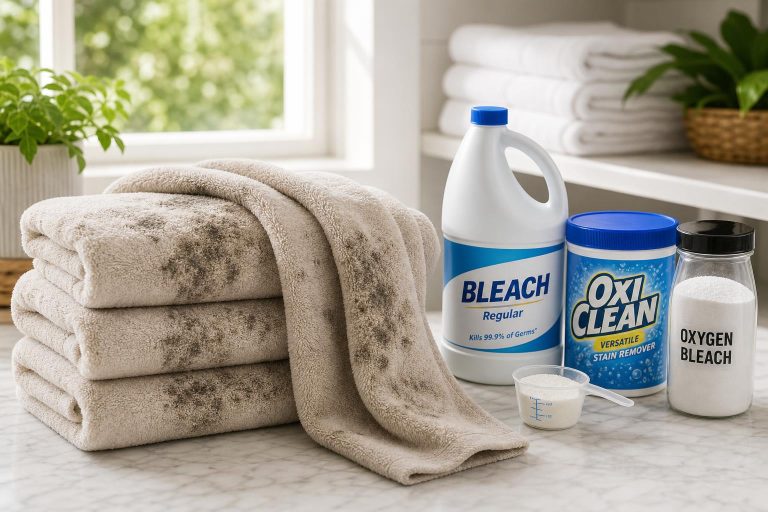
Chemical cleaning options can sometimes provide quicker results, especially on stubborn mold stains. I often reach for bleach or specialized mold removers when I need a powerful solution. It’s crucial for me to follow the instructions carefully to avoid damaging the fabric. I usually test a small area first to ensure there’s no discoloration. After using chemical cleaners, I always rinse the curtains thoroughly to remove any residue.
Preparing Your Shower Curtain for Cleaning
Before I dive into cleaning my shower curtain, I make sure to assess its condition first. I’ll remove any hardware and accessories to give myself easy access for a thorough clean. Once that’s done, I’ll choose the proper cleaning solutions and test the fabric for colorfastness.
Assessing Curtain Condition
Assessing the curtain’s condition helps me determine the best approach for cleaning it. I check for any visible mold or stains that might need extra attention. I also take note of the fabric type to select the most suitable cleaning method. If it’s particularly delicate, I’ll be more cautious in my approach. Finally, I ensure there’s no damage that could worsen during the cleaning process.
Removing Hardware and Accessories
I’ve got to take off all the hooks and rings to make cleaning my shower curtain much easier. It’s a hassle, but I know it’s necessary for a deep clean. I usually find a small container to keep everything organized while I work. Once the hooks and rings are off, the curtain hangs freely, allowing me to reach every inch. I always feel accomplished once I’ve got everything prepped for a good wash.
Choosing Proper Cleaning Solutions
Choosing the right cleaning solution is essential for keeping my shower curtain in good shape. I usually opt for a mixture of vinegar and water, as it’s both effective and safe for fabrics. Sometimes, I’ll use a store-bought mildew remover, but I always check the label to ensure it’s suitable for my curtain’s material. I’ve learned that bleach can be too harsh, so I steer clear of it unless absolutely necessary. A little trial and error helps me find the best solution that works for my specific curtain.
Testing Fabric for Colorfastness
Testing fabric for colorfastness is something I always make sure to do to prevent any unexpected bleeding during the wash. I usually find a small hidden area to apply my cleaning solution and see how the fabric reacts. If the color stays intact, I feel more confident moving forward with the cleaning process. However, if I notice any fading or bleeding, I’ll switch to a gentler solution. This step helps me preserve the overall look of my shower curtain while ensuring it gets clean.
Step-by-Step Cleaning Process
The step-by-step cleaning process helps me effectively tackle mold on my fabric shower curtains. First, I gather my supplies, including vinegar, baking soda, and a scrub brush. Then, I take the curtains down and shake off any loose debris. Next, I mix vinegar and water in a spray bottle and generously spray the affected areas. After letting it sit for a few minutes, I sprinkle baking soda on top for extra cleaning power. I scrub the fabric gently with the brush and rinse it thoroughly with warm water. Finally, I hang the curtains back up to dry, ensuring they’re mold-free and fresh.
Drying and Maintaining Your Shower Curtain
Once I’ve cleaned my shower curtain, I make sure to dry it properly to prevent any mold from coming back. I also keep up with regular maintenance to ensure it stays fresh and clean. By choosing the right fabric and taking a few preventive measures, I can keep my shower curtain looking great for longer.
Proper Drying Methods
Proper drying methods are essential for keeping my shower curtain in good condition, and I always hang it up to air dry after each use. I make sure to spread it out fully, allowing air to circulate and prevent damp spots. If it’s a sunny day, I love hanging it outside for that extra freshness. I never toss it in the dryer, as the heat can damage the fabric. Regularly checking for any remaining moisture helps me avoid mold growth.
Regular Maintenance Tips
Regular maintenance is something I prioritize to keep my shower curtain in the best condition possible. I often check for any signs of mold or mildew and address them right away. I also make it a point to wash my curtain regularly, usually every few weeks. After cleaning, I always ensure it dries completely to prevent any moisture buildup. By following these simple steps, I can enjoy a fresh and clean shower curtain for longer.
Choosing Suitable Fabrics
Choosing suitable fabrics for my shower curtain has made a noticeable difference in how easy it is to maintain. I’ve found that polyester and nylon are great options since they resist moisture and mold. I also love that some fabrics are treated with antimicrobial properties, making them even more effective. When I choose a fabric that’s machine washable, it simplifies my cleaning routine significantly. Overall, the right fabric choice helps me keep my bathroom looking fresh and inviting.
Preventing Future Mold Growth
I know keeping the bathroom well-ventilated really helps prevent future mold growth. I always open a window or run the exhaust fan during and after showers. I also try to wipe down the shower curtain after each use to remove excess moisture. Occasionally, I check for any signs of mold and address them immediately. By making these small adjustments, I can keep my shower curtain in good condition.
Preventing Future Mold Growth
Keeping my bathroom well-ventilated helps in preventing future mold growth on my fabric shower curtains. I always make sure to open a window or turn on the exhaust fan while I shower. I also try to leave the curtains open to dry completely after each use. It’s essential that I wash the curtains regularly, at least once a month. I sometimes use a vinegar solution to help deter mold before it sets in. If I notice any dampness in the bathroom, I quickly address it with towels or a dehumidifier. By creating a dry environment, I’m confident my shower curtains will stay fresh and mold-free.
Additional Tips for Stubborn Stains
Sometimes, a mixture of baking soda and vinegar works wonders on stubborn stains in my fabric shower curtain. I’ve found that letting it sit for about 30 minutes really helps lift those tough marks. After that, I just toss the curtain in the washing machine with a bit of detergent. If stains persist, I’ll create a paste with baking soda and water, applying it directly to the affected area. I often scrub gently with an old toothbrush to avoid damaging the fabric. After rinsing, I hang it outside to dry, allowing the sun to naturally bleach any remaining spots. It’s amazing how effective these simple techniques can be!
Frequently Asked Questions
How often should i check my shower curtain for mold?
I usually check my shower curtain for mold at least once a month. It’s easy to forget about it, but I’ve found that regular inspections help catch any issues early. If I notice any signs of mold, I’ll address it right away to prevent it from spreading. Since my bathroom can get humid, I keep an eye on the curtain more frequently during the warmer months. I also try to remember to let it dry completely after each use, which helps reduce mold growth. By staying proactive, I can keep my shower curtain looking fresh and clean.
Can i use a washing machine to clean my fabric shower curtain?
Yes, I can definitely use a washing machine to clean my fabric shower curtain. I find it’s one of the easiest ways to freshen it up. Before I toss it in, I usually check the care label just to make sure it’s machine washable. I often add some laundry detergent and a bit of vinegar for extra cleaning power. After washing, I hang it to dry instead of putting it in the dryer, since that can sometimes damage the fabric. Overall, I think using a washing machine is a quick and effective method for keeping my shower curtain clean.
Is there a specific type of fabric that is more resistant to mold?
When it comes to fabric and mold resistance, I’ve learned that certain materials are definitely better than others. For instance, polyester is often recommended because it tends to be more resistant to moisture and mold growth. I’ve noticed that fabrics treated with antimicrobial finishes also help prevent mold, which is a big plus. On the other hand, natural fibers like cotton can be more susceptible to mold if they retain moisture. I always try to choose fabrics that are specifically labeled as mold-resistant for my home. Overall, I think being proactive about fabric choice makes a real difference in keeping mold at bay.
Conclusion
In wrapping up the discussion on mold removal from fabric shower curtains, I’ve found that using natural alternatives can be just as effective as chemical solutions. Regular maintenance, like washing and inspecting for mold, truly makes a difference in keeping my bathroom fresh. I’ve learned that proper ventilation and drying techniques are essential in preventing future growth. Choosing the right fabric also plays a significant role, and it’s wise to opt for materials designed to resist moisture. Overall, staying proactive and informed has helped me maintain a clean and mold-free environment.
If you’re looking to enhance your cleaning routine beyond just fabric shower curtains, I highly recommend checking out this informative guide on effective methods to clean toilet bowl rings. You’ll find practical tips and techniques that will help you maintain a sparkling clean bathroom. Discover more here!
Explore This Topic

Sir Cleans a Lot is a professional home cleaning specialist with over 10 years of hands-on experience. He has helped thousands of homeowners tackle stubborn stains, eliminate mold, and keep their homes spotless using practical, science-backed methods. When he’s not testing the latest cleaning products or researching stain removal techniques, he’s sharing his expertise to make cleaning easier for everyone.