Effective Techniques for Removing Tub Mold
Mold in bathtubs is a common yet troubling issue that can compromise both hygiene and aesthetics. Understanding how to clean tub mold effectively is essential for maintaining a safe and pleasant bathing environment. This article will explore various techniques, ranging from the selection of appropriate cleaning products to natural remedies that can be utilized in the removal process. Additionally, we will provide practical preventive measures to avoid future mold growth and offer insights into regular maintenance practices. By employing these effective strategies, homeowners can ensure their tubs remain clean and mold-free.
Choosing the Right Cleaning Products
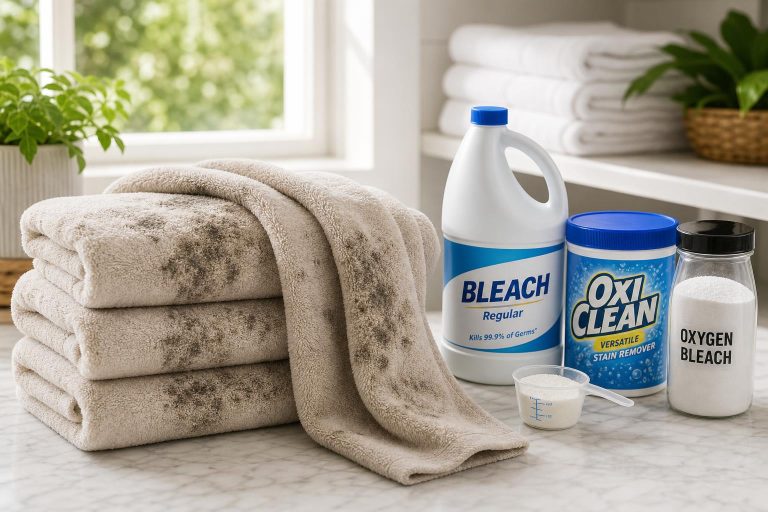
Selecting appropriate cleaning products is crucial for ensuring the safe and thorough elimination of mold in bathroom environments. It is essential to choose products that specifically target mold spores and mildew while being safe for use on various surfaces. Eco-friendly options are increasingly popular, as they minimize harmful chemical exposure to both individuals and the environment. Additionally, one should consider the effectiveness of bleach versus non-bleach alternatives, as each has its own merits and drawbacks. Reading labels for EPA approval can provide valuable insight into the product’s efficacy and safety standards. Furthermore, it’s advisable to avoid multi-purpose cleaners that may dilute the effectiveness of mold-specific solutions. Ultimately, selecting the right cleaning product enhances not only the results but also the overall safety of the cleaning process.
Natural Remedies for Mold Removal
Natural remedies for mold removal often include ingredients such as vinegar and baking soda, which can provide a safer alternative to chemical-based solutions. White vinegar, with its acetic acid content, can effectively kill many types of mold and can be easily applied directly to the affected area. Baking soda, when combined with water, creates a paste that can scrub away mold while also deodorizing the surface. Another effective natural remedy is tea tree oil, which possesses antifungal properties and can be diluted in water for application. Hydrogen peroxide, a common household item, can also serve as a mold remover when used in its 3% concentration. Additionally, essential oils such as lavender or eucalyptus can provide antifungal benefits while leaving a pleasant scent. These natural approaches not only address mold issues but also promote a healthier indoor environment.
Step-by-Step Guide to Scrubbing Mold Away
A comprehensive step-by-step guide to scrubbing away unwanted growth can significantly enhance the cleanliness and hygiene of your bathing environment. Begin by gathering the necessary supplies, including a scrub brush, mold-specific cleaner, gloves, and a spray bottle. First, ventilate the area to allow for fresh air circulation, which is crucial in reducing inhalation of mold spores. Next, apply the mold cleaner generously to the affected areas, allowing it to sit for the recommended time to penetrate the mold. Afterward, use the scrub brush to vigorously scrub the surface, ensuring all visible mold is removed. Rinse the area thoroughly with warm water to eliminate any remaining cleaner and mold residue. Finally, dry the surface completely to prevent future mold growth and maintain a clean environment.
Preventive Measures to Avoid Future Growth
Preventive measures are essential in maintaining a clean and healthy bathroom environment to deter future mold growth. Regularly inspecting and repairing any leaks in plumbing fixtures can significantly reduce moisture accumulation. Ensuring adequate ventilation by using exhaust fans or opening windows during and after showers helps to lower humidity levels. Utilizing mold-resistant paints and sealants on bathroom surfaces can further inhibit the development of mold. Keeping bathroom surfaces dry and clean by wiping down after use minimizes the chances of mold taking hold. Incorporating dehumidifiers in high-humidity areas can effectively maintain optimal moisture levels. Finally, routinely cleaning bathroom areas with mold-inhibiting solutions fosters a proactive approach to mold prevention.
Using a Steam Cleaner Effectively
Utilizing a steam cleaner effectively can significantly enhance the removal of stubborn tub mold by harnessing high temperatures to eliminate spores and bacteria. Prior to use, ensure the steam cleaner is fully assembled and filled with distilled water for optimal performance. Begin by targeting areas with significant mold buildup, applying steam for several seconds to penetrate the porous surface of the tub. Utilize a scrub brush attachment to agitate the mold after steaming, which aids in dislodging it from the surface. After cleaning, wipe down the area with a microfiber cloth to remove any remaining debris and moisture. It is essential to allow the tub to dry completely to prevent future mold growth. Regular use of a steam cleaner can serve as an effective strategy in maintaining a clean and mold-free environment.
Applying Vinegar and Baking Soda
Applying vinegar and baking soda can be an effective approach for tackling tub mold, leveraging the natural cleaning properties of these common household items. This method not only promotes a healthier environment but also provides a cost-efficient solution for maintaining cleanliness. To maximize effectiveness, attention to detail in selection and application techniques is essential.
Choosing the Right Vinegar
Choosing the right vinegar is crucial for achieving optimal results in cleaning and disinfecting, as different types possess varying levels of acidity and efficacy. White distilled vinegar is commonly recommended for its high acidity, making it particularly effective against mold and mildew. Apple cider vinegar, while slightly less acidic, can also contribute to cleaning efforts due to its antibacterial properties. Balsamic and wine vinegars are generally less suitable for cleaning purposes, as their additional components may leave residues. Understanding these distinctions can enhance the effectiveness of the cleaning process and ensure a mold-free tub.
Preparing Baking Soda Paste
Preparation of a baking soda paste requires a precise ratio of baking soda to water, ensuring an effective consistency for targeted cleaning applications. Generally, a three-to-one ratio of baking soda to water is recommended for optimal results. The mixture should be stirred thoroughly to achieve a uniform texture, free of lumps. Once prepared, the paste can be applied directly to the affected areas, allowing it to adhere properly for maximum efficacy. After a designated dwell time, the paste can be rinsed away, revealing a cleaner surface.
Application Techniques to Follow
Effective application techniques are crucial for ensuring optimal results when using vinegar and baking soda for cleaning purposes. First, it is important to thoroughly clean the tub surface to remove any loose debris before applying the cleaning agents. Next, apply vinegar directly to the affected areas, allowing it to sit for a few minutes to penetrate the mold. Afterward, sprinkle baking soda over the vinegar-treated areas, creating a fizzing reaction that aids in loosening the mold. Finally, scrub the mixture with a brush or sponge, rinsing the tub with warm water to reveal a clean and mold-free surface.
Rinsing and Drying Steps
Rinsing and drying steps are crucial for ensuring that all cleaning agents are thoroughly removed from surfaces, thereby preventing any residue that could promote mold regrowth. After applying vinegar and baking soda, it is essential to rinse the tub with warm water to eliminate any remaining solution. This process should be followed by a thorough drying of the tub using a clean, dry cloth or towel to prevent moisture accumulation. Adequate ventilation during the drying process further aids in reducing humidity levels, which are conducive to mold development. Maintaining these practices consistently will contribute to a mold-free environment in the bathroom.
Sealing Grout and Caulking to Protect Against Mold
Sealing grout and caulking around tubs is essential for preventing moisture accumulation, which can lead to mold growth. Proper sealing creates a waterproof barrier that inhibits water seepage into porous materials. Regular inspection and maintenance of these seals can significantly reduce the risk of mold infestation. It is recommended to use high-quality, mildew-resistant caulk specifically designed for wet environments. Additionally, ensuring that grout lines are fully sealed prevents the absorption of water, which can exacerbate mold problems. Applying a sealant every few years can extend the life of the grout and caulk, providing ongoing protection. Implementing these techniques not only protects the integrity of the tub area but also promotes a healthier living environment.
Regular Maintenance Tips for a Mold-Free Tub
Regular maintenance practices, such as ensuring proper ventilation and promptly addressing moisture accumulation, are essential for maintaining a mold-free tub environment. Regularly cleaning the tub and surrounding areas with appropriate cleaning agents can significantly reduce the likelihood of mold growth. It is advisable to inspect and replace any damaged caulking or grout to prevent water infiltration. Additionally, using a squeegee after each use can help to eliminate excess water from the tub’s surface. Keeping bathroom windows open, or utilizing exhaust fans, will promote air circulation and decrease humidity levels. Routine checks for leaks in plumbing fixtures should be conducted, as even minor leaks can contribute to mold proliferation. Lastly, maintaining a consistent cleaning schedule can help to ensure that any potential mold spores are addressed before they develop into a more significant problem.
When to Call a Professional for Help
Recognizing the limits of DIY solutions is vital in maintaining a mold-free environment in your tub. Certain signs may indicate the need for professional intervention, as the persistence of mold can pose health risks. Furthermore, selecting the right professional is essential to ensure effective and safe remediation.
Signs You Need Help
Visible mold growth, persistent musty odors, and water damage are clear indicators that professional assistance may be necessary to address mold issues effectively. Homeowners should be vigilant for signs of recurring mold despite attempts at cleaning, as this may signal underlying moisture problems. Additionally, allergic reactions or respiratory issues experienced by occupants could suggest the presence of harmful mold spores. If mold is found in hard-to-reach areas or large quantities, it often requires specialized equipment and techniques for safe removal. Ultimately, recognizing these signs early can prevent further damage and health risks associated with mold exposure.
Choosing the Right Professional
The selection of a qualified professional for mold remediation requires careful consideration of their credentials, experience, and reputation within the industry. It is advisable to verify their certifications and licenses to ensure compliance with local regulations. Client testimonials and reviews can provide valuable insight into the effectiveness of their services. Additionally, assessing their familiarity with the specific types of mold and remediation techniques relevant to your situation is crucial. Ultimately, trusting your instincts and choosing a professional who communicates clearly and transparently can lead to a successful mold remediation process.
Frequently Asked Questions
What are the health risks associated with mold exposure in the bathroom?
Mold exposure in the bathroom can pose significant health risks, particularly for individuals with respiratory conditions, weakened immune systems, or allergies, as it can exacerbate symptoms such as asthma and cause chronic sinusitis. Additionally, prolonged exposure to mold can lead to more serious complications, including infections and toxic reactions, necessitating prompt remediation efforts.
How can i tell if the mold in my tub is a type that requires professional removal?
To determine if the mold in your tub requires professional removal, it’s essential to assess its color, texture, and growth pattern, as certain types, such as black mold (Stachybotrys chartarum), can pose significant health risks. Additionally, if the mold covers a large area or if you have underlying health conditions, it is advisable to consult a mold remediation specialist for a thorough evaluation.
Are there any specific types of mold that are more common in bathrooms?
Yes, certain types of mold are more prevalent in bathrooms due to the high humidity and moisture levels typically found in these areas. Common varieties include Aspergillus, Penicillium, and Stachybotrys, which can thrive in damp environments and may pose health risks if left untreated.
If you’re looking to tackle stubborn stains in addition to removing tub mold, I highly recommend visiting this webpage on effective methods to remove rust stains from toilets. You can find valuable tips and techniques that will help you restore your bathroom fixtures to their original shine. Check it out here: rust out of toilet.
Explore This Topic

Sir Cleans a Lot is a professional home cleaning specialist with over 10 years of hands-on experience. He has helped thousands of homeowners tackle stubborn stains, eliminate mold, and keep their homes spotless using practical, science-backed methods. When he’s not testing the latest cleaning products or researching stain removal techniques, he’s sharing his expertise to make cleaning easier for everyone.