
How to Clean a Bathtub Without Scrubbing
Maintaining a pristine bathtub can often feel like a daunting task, especially when scrubbing seems inevitable. However, there are effective methods to clean a bathtub without the need for strenuous scrubbing, allowing for a more efficient and less labor-intensive approach. This article will explore various techniques, including the use of natural ingredients such as vinegar and baking soda, as well as the benefits of utilizing dish soap and essential oils. Additionally, we will discuss automated solutions like steam cleaners that can further simplify the cleaning process. By implementing these strategies, you can enjoy a sparkling clean bathtub while minimizing the time and effort involved in the task.
Essential Supplies for Easy Tub Cleaning
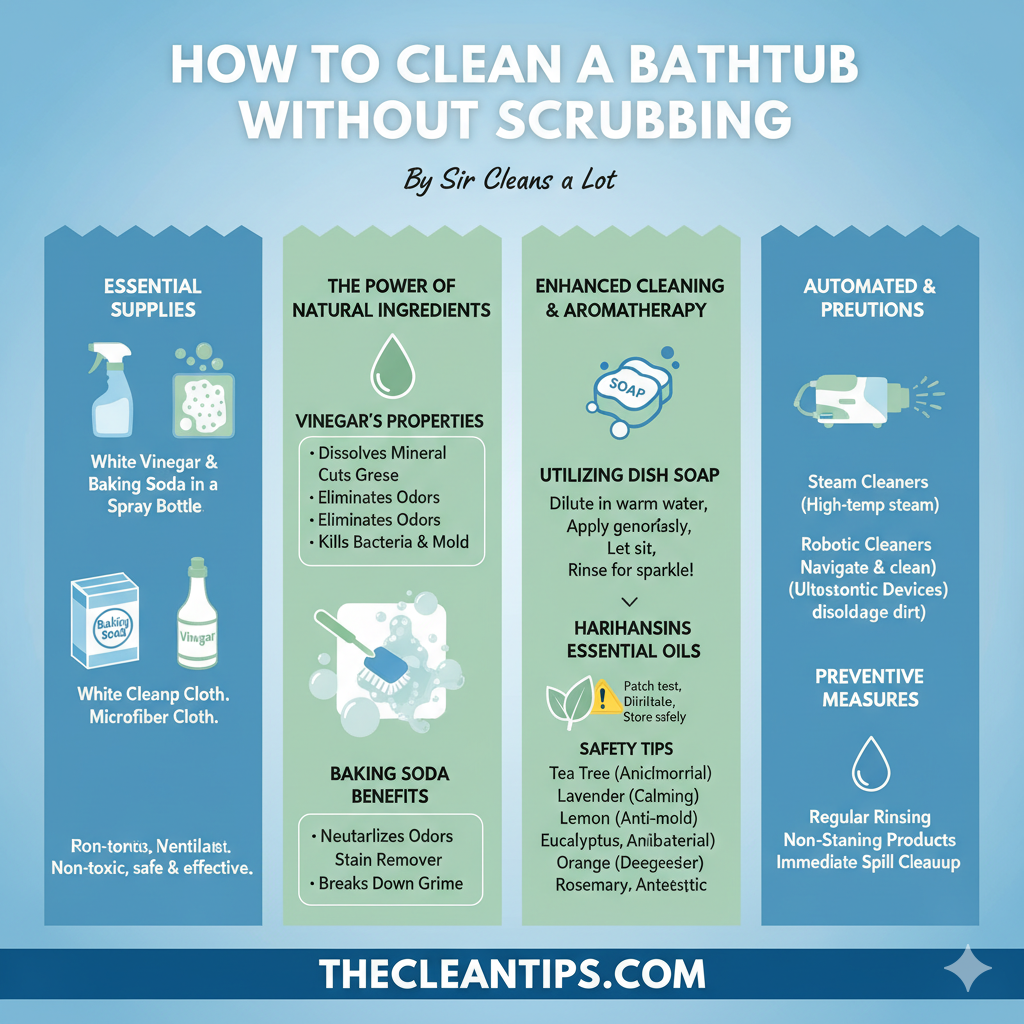
Essential supplies for easy tub cleaning include white vinegar, baking soda, and a spray bottle, which together effectively tackle soap scum and stains without the need for scrubbing. These ingredients are not only readily available but also non-toxic, making them a safe choice for households. White vinegar serves as a natural disinfectant, while baking soda acts as a gentle abrasive, enhancing the cleaning process. A spray bottle allows for easy application, ensuring that the cleaning solution can be evenly distributed across the tub’s surface.
Additionally, using a microfiber cloth or sponge helps to wipe away any residue without damaging the tub’s finish. It is advisable to allow the solution to sit for a few minutes to maximize its effectiveness against tough stains. For particularly stubborn areas, a second application may be necessary. These tools and materials streamline the cleaning process, making it more efficient and less labor-intensive. Understanding the unique properties of vinegar and baking soda is essential, as they combine to create a powerful cleaning solution.
The Power of Vinegar and Baking Soda
Vinegar and baking soda are two powerful, natural cleaning agents that can transform the way we approach household chores. Their unique properties allow for effective cleaning without the need for strenuous scrubbing, making them ideal for maintaining a pristine bathtub. Understanding the specific benefits of each ingredient and how to combine them effectively can enhance your cleaning routine significantly.
Vinegar’s Cleaning Properties
The cleaning properties of vinegar are attributed to its acetic acid content, which effectively dissolves mineral deposits, cuts through grease, and eliminates odors. This natural agent is particularly useful in removing soap scum and water stains that often accumulate in bathtubs. When combined with baking soda, vinegar creates a foaming action that can enhance its cleaning capabilities. Additionally, vinegar serves as a disinfectant, helping to kill bacteria and mold that may thrive in damp environments. Its versatile nature makes it an essential component in eco-friendly cleaning solutions.
Baking Soda Benefits
Baking soda offers a versatile range of benefits, including its ability to neutralize odors, act as a gentle abrasive for scrubbing surfaces, and serve as an effective stain remover in various cleaning applications. Its alkaline nature allows it to break down grime and mineral deposits, making it particularly useful for tackling soap scum in bathtubs. Additionally, baking soda is non-toxic and environmentally friendly, which makes it a safer alternative to many harsh chemical cleaners. This compound also enhances the cleaning power of vinegar when used in conjunction, providing a synergistic effect that can tackle more stubborn stains. Understanding how to combine these ingredients effectively will maximize their cleaning potential.
Combining Ingredients Effectively
Combining ingredients effectively can yield superior cleaning results, leveraging the chemical reactions between vinegar and baking soda to tackle tough stains and grime. This combination creates a foaming action that lifts dirt and debris, allowing for a more thorough clean without physical effort. Additionally, the acidity of vinegar helps to dissolve mineral deposits while baking soda neutralizes odors, enhancing the overall freshness of the bathroom. When applied properly, this method can significantly reduce the time and energy spent on cleaning. To achieve a sparkling finish, one may consider utilizing dish soap in conjunction with these powerful agents.
Utilizing Dish Soap for a Sparkling Finish
Utilizing dish soap for a sparkling finish can transform your cleaning routine, especially when tackling a bathtub without the need for strenuous scrubbing. This method not only provides an effective solution for removing grime and soap scum but also ensures a gleaming surface with minimal effort. To achieve optimal results, it is essential to focus on selecting the appropriate dish soap, mastering application techniques, and implementing proper rinsing and finishing touches.
Choosing the Right Dish Soap
Selecting the right dish soap is crucial for achieving optimal cleaning results, as various formulations may offer different levels of grease-cutting power and surface compatibility. Some dish soaps are specifically designed to tackle tough stains and grime, making them more effective for cleaning bathtubs. It is important to consider the presence of biodegradable ingredients, which can enhance safety and environmental sustainability. Additionally, opting for a soap with a pleasant scent can contribute to a more enjoyable cleaning experience. Ultimately, the right choice can significantly influence the efficiency and quality of the cleaning process.
Application Techniques for Effectiveness
Effective application techniques play a crucial role in maximizing the benefits of dish soap during the cleaning process. Begin by diluting the dish soap in warm water to enhance its cleaning properties. Apply the mixture generously across the surface of the bathtub, ensuring even coverage to target tough stains. Allow the solution to sit for several minutes, enabling the soap to break down any build-up without physical scrubbing. Finally, rinse thoroughly with clean water to reveal a sparkling finish.
Rinsing and Final Touches
Attention to rinsing and final touches significantly enhances the overall cleanliness and appearance of the bathtub, ensuring that all soap residue is eliminated and leaving a polished surface. Thorough rinsing is crucial, as it prevents any clingy soap remnants that may dull the finish. Following this, drying the surface with a soft cloth can further elevate the shine and prevent water spots. Additionally, taking a moment to inspect for any missed spots can contribute to a pristine look. With the bathtub sparkling clean, one can now consider harnessing the benefits of essential oils for an added aromatic experience.
Harnessing the Benefits of Essential Oils
Harnessing the benefits of essential oils offers a natural and effective approach to cleaning, particularly in maintaining a pristine bathtub without the need for vigorous scrubbing. By integrating the right essential oils into your cleaning routine, you can enhance both the efficacy and aromatic experience of the process. It is essential to consider the best oils to use, the principles of aromatherapy for cleaning, and safety tips for usage to achieve optimal results.
Best Essential Oils to Use
The best essential oils to use for cleaning purposes include tea tree oil for its antimicrobial properties, lavender for its calming scent, and lemon for its natural degreasing ability. Eucalyptus oil is also highly regarded for its fresh aroma and ability to combat mold and mildew. Peppermint oil adds a refreshing scent while providing additional antibacterial benefits. Orange oil not only lends a pleasant fragrance but also acts as a powerful degreaser and stain remover. Finally, rosemary oil contributes its antiseptic qualities, making it an excellent choice for maintaining a hygienic environment.
Aromatherapy for Cleaning
Aromatherapy for cleaning utilizes specific essential oils that not only enhance the sensory experience but also provide antibacterial and antifungal properties, making cleaning tasks more enjoyable and effective. These oils can be diffused or combined with natural cleaning agents to create a pleasant atmosphere while tackling dirt and grime. Incorporating essential oils such as tea tree, lavender, and lemon can significantly elevate the cleaning process, offering both fragrance and functionality. The benefits of aromatherapy extend beyond mere scent, promoting a sense of well-being during household chores. However, it is crucial to follow appropriate safety tips for usage to ensure a safe and pleasant cleaning experience.
Safety Tips for Usage
Safety tips for usage of essential oils are crucial to ensure both efficacy and well-being, particularly when integrating them into cleaning practices. Always perform a patch test to check for potential skin sensitivities or allergic reactions before widespread application. Proper dilution of essential oils is essential to avoid irritation; using a carrier oil or a suitable cleaning base is recommended. Ensure adequate ventilation while using essential oils, as inhaling concentrated fumes may cause respiratory discomfort. Lastly, store essential oils in a cool, dark place away from children’s reach to prevent accidental ingestion or misuse.
Blending Oils Effectively
Blending oils effectively requires an understanding of their individual properties and interactions to create harmonious and beneficial combinations. Selecting complementary oils can enhance their cleaning properties and improve the overall scent profile. For instance, combining tea tree oil, known for its antibacterial qualities, with lavender oil can promote a calming atmosphere while maintaining hygiene. It is also important to consider the ratios of different oils to ensure neither overwhelms the other, achieving a balanced blend. Finally, experimenting with various combinations allows for a customized approach that meets specific cleaning needs and personal preferences.
Automated Solutions: Steam Cleaners and More
As the demand for efficient cleaning solutions rises, automated technologies such as steam cleaners are becoming increasingly popular. These innovative tools not only simplify the cleaning process but also enhance the effectiveness of routine maintenance tasks. In this section, we will explore an overview of steam cleaners and other automated options available for cleaning a bathtub without the need for scrubbing.
Steam Cleaners Overview
Steam cleaners utilize high-temperature steam to effectively dissolve dirt, grime, and bacteria from surfaces, making them an optimal choice for maintaining hygiene in various settings. These devices generate steam at temperatures exceeding 200 degrees Fahrenheit, ensuring a deep clean without the need for harsh chemicals. The pressurized steam penetrates porous surfaces, loosening stubborn stains and buildup while sanitizing the area simultaneously. Many steam cleaners are equipped with various attachments, allowing users to clean a wide range of surfaces beyond just bathtubs. Their eco-friendly operation not only promotes a healthier living environment but also reduces water consumption compared to traditional cleaning methods.
Other Automated Options
Various automated options, including robotic cleaners and ultrasonic devices, are now available to streamline the cleaning process, offering efficient alternatives to traditional methods. Robotic cleaners can navigate the contours of the bathtub, removing dirt and grime with minimal human intervention. Ultrasonic devices utilize high-frequency sound waves to dislodge debris, providing a thorough clean without physical scrubbing. These technologies not only save time but also reduce the physical effort typically associated with cleaning. To further enhance the longevity and cleanliness of your bathtub, it is essential to consider preventive measures for a low-maintenance bathtub.
Preventive Measures for a Low-Maintenance Bathtub
Implementing preventive measures can significantly enhance the longevity and cleanliness of a low-maintenance bathtub. By adopting simple practices and utilizing appropriate materials, homeowners can minimize the need for extensive cleaning. The following points outline effective strategies to maintain a pristine bathing environment.
Regular Rinsing Practices
Regular rinsing practices contribute significantly to the maintenance of a low-maintenance bathtub by preventing the buildup of soap scum and mineral deposits. This simple habit can be easily integrated into daily routines, ensuring that residues do not have the opportunity to harden and accumulate. Utilizing a handheld showerhead or a cup can facilitate thorough rinsing after each use. Additionally, warm water is effective in removing any lingering soap or product remnants. Consistent rinsing not only promotes hygiene but also reduces the frequency of deep cleaning required.
Use of Protective Liners
The use of protective liners serves as an effective barrier against stains and scratches, thereby preserving the aesthetic appeal and functionality of low-maintenance bathtubs. These liners are designed to conform to the shape of the tub, providing a seamless fit that enhances the overall appearance. Additionally, they can be easily removed and replaced, offering a practical solution for maintaining cleanliness. By reducing contact with the tub’s surface, protective liners help minimize the buildup of soap scum and mineral deposits. Ultimately, the implementation of protective liners is a proactive approach to bathtub maintenance, ensuring a cleaner and more durable bathing experience.
Choosing Non-Staining Products
Choosing non-staining products is essential for maintaining the aesthetic appeal and functionality of a low-maintenance bathtub. These products help prevent discoloration and damage to the bathtub’s surface, ensuring it remains visually appealing over time. Utilizing non-staining cleaners also reduces the risk of harmful chemical reactions that can lead to lasting marks. Additionally, selecting products specifically designed for the bathtub’s material can enhance its durability and ease of maintenance. To further protect your bathtub, it is crucial to implement immediate spill cleanup techniques to address any potential staining incidents promptly.
Immediate Spill Cleanup Techniques
Immediate spill cleanup techniques play a crucial role in preserving the integrity and appearance of a low-maintenance bathtub. Swiftly addressing spills can prevent staining and damage to the surface material. Utilizing absorbent materials, such as microfiber cloths, allows for effective moisture absorption without scratching the tub. Additionally, applying a gentle cleanser immediately after a spill can help neutralize any potential staining agents. Consistent attention to spills will ultimately prolong the life and beauty of the bathtub.
If you’re looking for more effective cleaning tips, I highly recommend checking out this guide on how to clean a toilet bowl stain. It provides practical and efficient methods that can save you time and effort. You can find it here: clean a toilet bowl stain.