
Effective Methods for How to Clean Black Mold in Bathroom
Black mold is a pervasive issue often found in moist environments, particularly bathrooms, where humidity levels can create an ideal breeding ground. Understanding how to clean black mold in bathroom settings is crucial not only for maintaining aesthetic appeal but also for safeguarding health. This article will explore effective methods for identifying black mold, ensuring safety during the cleaning process, and employing various cleaning solutions, both natural and chemical. Additionally, we will discuss preventative measures to inhibit future mold growth, fostering a healthier living space. By following these guidelines, homeowners can effectively manage and mitigate the risks associated with black mold.
Identifying Black Mold in Your Bathroom
Identifying black mold in your bathroom is crucial for maintaining a healthy living environment, as it can thrive in damp and poorly ventilated areas. Look for black or dark green patches on surfaces such as walls, ceilings, and grout lines. Pay attention to a musty odor, which often accompanies mold growth. Examine areas around sinks, tubs, and showers where moisture accumulates. Check for any signs of water leaks or condensation that may contribute to mold proliferation. Identify any discoloration or warping in materials like drywall or wood, which may indicate hidden mold. Use a flashlight to inspect darker corners and crevices where mold may grow unnoticed. Be aware that mold can also develop behind tiles and under sinks, requiring thorough inspection. Taking prompt action upon discovery is essential to prevent further spread and health risks.
Essential Safety Precautions
Essential safety precautions are crucial when addressing mold removal to protect both the individual performing the task and the occupants of the space. Wearing appropriate personal protective equipment (PPE) such as gloves, goggles, and a respirator is essential to prevent skin irritation and respiratory issues. Ensuring adequate ventilation during the mold removal process can significantly reduce exposure to airborne spores. It is also advisable to seal off the affected area with plastic sheeting to contain the mold and prevent it from spreading to other parts of the home. Before starting, it is imperative to assess the extent of the mold growth and determine if professional assistance is required for extensive infestations. Keeping children and pets away from the work area minimizes their risk of exposure to harmful substances. Additionally, it is important to have a plan for safely disposing of contaminated materials. Using a vacuum equipped with a HEPA filter can effectively capture mold spores during cleanup. With these safety measures in place, one can confidently explore the use of natural cleaning solutions to effectively combat mold in the bathroom.
Natural Cleaning Solutions
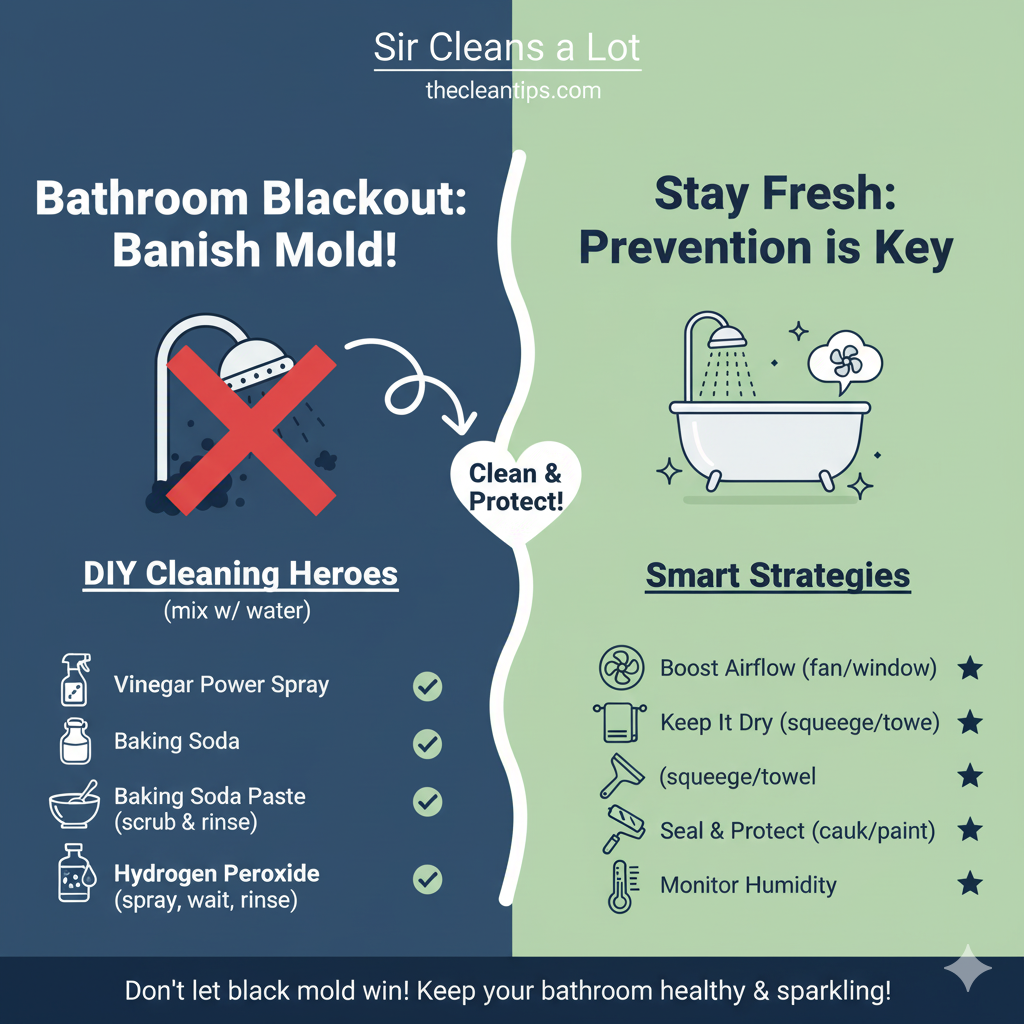
Natural cleaning solutions offer a safe and environmentally friendly approach to tackling mold issues in bathrooms. One of the most effective natural ingredients is vinegar, which contains acetic acid that can kill approximately 82% of mold species. Baking soda is another versatile option, providing both a cleaning agent and a deodorizer when mixed with water to form a paste. Hydrogen peroxide, with its antifungal properties, serves as an efficient mold remover when applied directly to affected areas. Tea tree oil, though more expensive, is a potent natural fungicide that can prevent mold growth when diluted in water. Lemon juice, known for its acidic nature, not only helps in removing mold but also leaves a fresh scent. Essential oils like lavender and eucalyptus can be added to natural cleaning solutions for their antimicrobial properties. Regular application of these natural remedies can help maintain a mold-free environment in bathrooms. Ultimately, utilizing natural cleaning solutions contributes to healthier indoor air quality and reduces reliance on harsh chemical cleaners.
Chemical Cleaning Products
Chemical cleaning products specifically designed for mold removal can significantly enhance the efficacy of cleaning efforts in bathrooms affected by mold growth. These products often contain potent antifungal and antibacterial agents that effectively eliminate mold spores on contact. Many formulations are designed to penetrate porous surfaces, ensuring a deeper clean than natural alternatives. Additionally, chemical products can help to prevent the regrowth of mold by leaving behind a protective barrier. It is crucial to follow the manufacturer’s instructions carefully to ensure optimal results and safety during use. Adequate ventilation is essential while using these products to minimize inhalation of potentially harmful fumes. Moreover, users should consider personal protective equipment, such as gloves and masks, to avoid skin and respiratory irritation. Regular application of chemical mold removers can keep mold levels at bay, especially in high-humidity areas. Ultimately, while these products are effective, it is equally important to implement preventative measures to avoid future growth.
Preventative Measures to Avoid Future Growth
Maintaining proper ventilation and humidity levels in the bathroom plays a crucial role in preventing future mold growth. Regularly using exhaust fans during and after showers can significantly reduce moisture accumulation. Additionally, keeping windows open when weather permits allows for natural airflow, further aiding in drying out the space. It is essential to fix any leaks in plumbing or roofing, as standing water provides an ideal environment for mold proliferation. Using moisture-absorbing materials, such as silica gel or activated charcoal, can help control humidity levels.
Routine inspections of bathrooms for signs of dampness or mold should be conducted to address issues promptly. Grouting and caulking should be maintained in good condition to prevent moisture from seeping into walls and floors. Incorporating mold-resistant paints and materials in bathroom renovations can also deter mold from taking hold. Finally, keeping the bathroom clean and clutter-free minimizes areas where mold spores can settle and thrive.
Frequently Asked Questions
How can i tell if the black mold in my bathroom is toxic or non-toxic?
To determine whether the black mold in your bathroom is toxic or non-toxic, it is essential to conduct a thorough visual inspection and assess any associated health symptoms experienced by occupants. Engaging a professional mold inspector or utilizing mold testing kits can provide a definitive analysis of the mold species present, allowing for informed decisions regarding remediation and safety measures.
What are the long-term health effects of exposure to black mold?
Long-term exposure to black mold can lead to a variety of health issues, particularly in individuals with respiratory conditions, weakened immune systems, or mold allergies. Potential effects include chronic respiratory problems, allergic reactions, and in severe cases, neurological symptoms, emphasizing the importance of addressing mold infestations promptly.
How often should i check for mold growth in my bathroom?
It is advisable to check for mold growth in your bathroom at least once a month, particularly in areas prone to moisture, such as around sinks, showers, and toilets. Regular inspections can help identify early signs of mold, allowing for timely intervention and minimizing potential health risks.
If you’re looking to maintain a clean and mold-free bathroom, exploring effective methods for cleaning your shower liner curtain is essential. For practical tips and techniques, be sure to visit this helpful page on how to clean shower liner curtain. It’s a valuable resource that complements your efforts in tackling bathroom mold!