
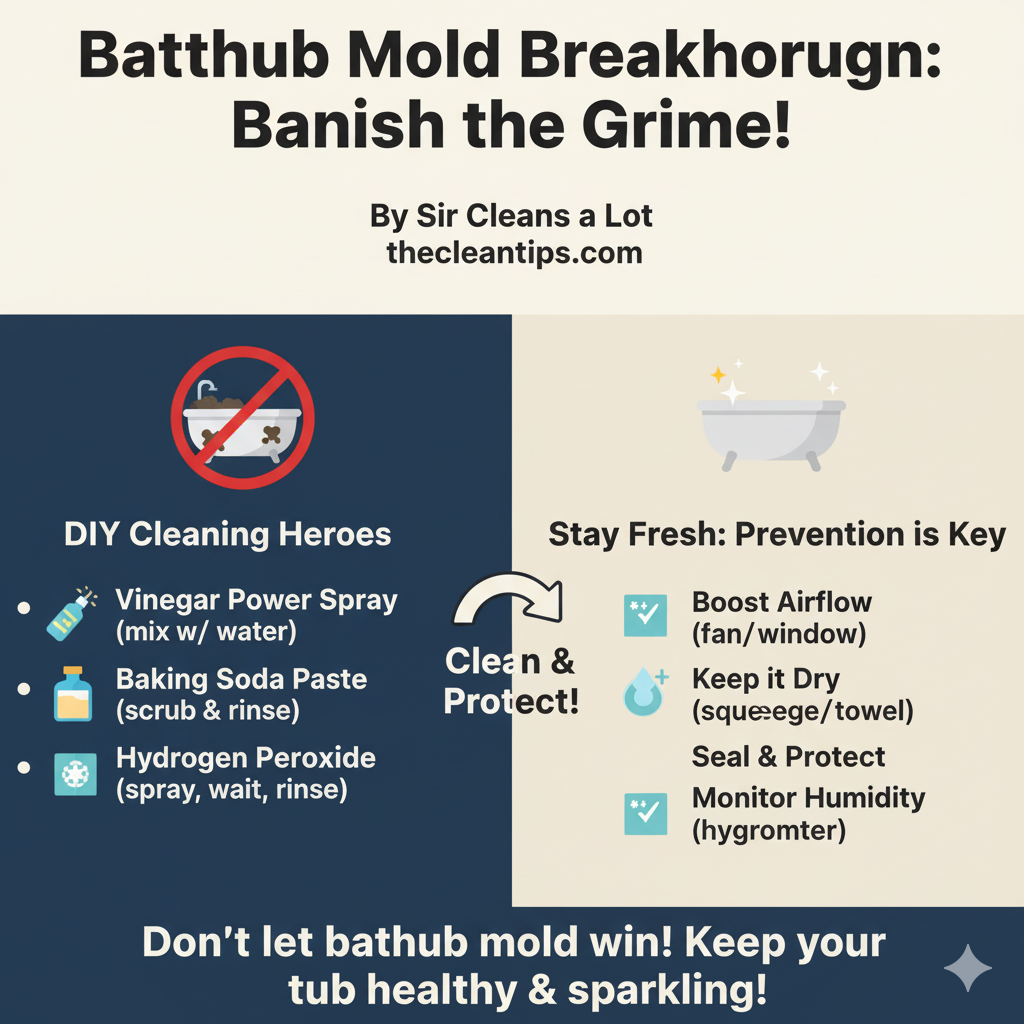
Effective Methods to Remove Bathtub Mold
I’ve always found bathtub mold to be a frustrating problem that seems to appear out of nowhere. Whether it’s due to humidity or poor ventilation, I know it can quickly turn a relaxing soak into a stressful situation. That’s why I’ve researched effective methods to remove bathtub mold and keep it from coming back. From natural remedies to chemical solutions, there are plenty of options available to tackle this pesky issue. In this article, I’ll share what I’ve learned about combating bathtub mold and how to prevent it in the future.
Key Takeaways
Regular cleaning and maintenance, including wiping down surfaces and using exhaust fans, are essential for preventing mold growth in bathtubs.
Natural remedies like vinegar and baking soda can effectively eliminate mold while being eco-friendly alternatives to harsh chemicals.
Chemical solutions such as bleach and hydrogen peroxide are effective but require safety precautions to prevent harmful exposure during use.
Seeking professional help is crucial when faced with severe mold infestations, persistent odors, or health-related issues from mold exposure.
Understanding the Causes of Bathtub Mold
I’ve noticed that bathtub mold can be a persistent problem in many homes. Understanding the common triggers that lead to mold growth is essential for tackling this issue effectively. With that in mind, I’ll share some insights on prevention and maintenance tips to keep my bathtub mold-free.
Common Mold Triggers
Common mold triggers in my bathroom often include high humidity levels and inadequate ventilation. I’ve found that leaving the bathroom door closed while showering makes the problem worse. It’s easy to forget to run the exhaust fan after a hot bath, but I know it helps. I’ve also noticed that damp towels left hanging can contribute to mold growth. To combat this, I make sure to keep things dry and well-ventilated.
Prevention and Maintenance Tips
Keeping my bathtub dry and well-ventilated is crucial for preventing mold growth. I always make sure to wipe down the surfaces after each use to remove excess moisture. I also keep a window cracked or use an exhaust fan to improve air circulation. Regularly checking for leaks helps me address any water issues before they become a problem. Additionally, I use mold-resistant cleaners to keep my bathtub fresh and safe.
Natural Remedies for Mold Removal
When it comes to tackling mold in my bathtub, I prefer using natural remedies that are both effective and safe. I’ve found a couple of methods that really work for me, like using vinegar and baking soda. Another option I’ve tried is a tea tree oil solution, which also seems to do the trick.
Vinegar and Baking Soda
Vinegar and baking soda make a powerful combination for tackling stubborn mold in my bathtub. I pour some vinegar directly onto the moldy areas and let it sit for a few minutes. Then, I sprinkle baking soda on top, watching it fizz and bubble. Afterward, I scrub the area with a brush and rinse it off with hot water. It always leaves my bathtub looking fresh and clean.
Tea Tree Oil Solution
Tea tree oil solution’s been a game changer for me in combating mold, providing both a pleasant scent and effective results. I mix a few drops of tea tree oil with water in a spray bottle and give it a good shake. Then, I spray it directly on the affected areas and let it sit for a while. Afterward, I wipe it down with a cloth, and the mold disappears. It’s amazing how simple and effective this method is!
Chemical Solutions to Eliminate Mold
While I’ve explored natural remedies for mold removal, I know there are effective chemical solutions available too. It’s crucial to understand the common options, safety precautions, and proper application techniques. Let’s dive into these key points to make mold elimination easier.
Common Chemical Options
I’ve found that bleach and hydrogen peroxide are two of the most common chemical options for tackling mold issues. I often use bleach for its fast-acting properties, especially on hard surfaces. Hydrogen peroxide’s effectiveness as a less harsh alternative makes it my go-to for more delicate areas. I always make sure to wear gloves and a mask when handling these chemicals to protect myself. After applying, I let them sit for a while before rinsing to ensure maximum effectiveness.
Safety Precautions Needed
Safety precautions are essential for protecting myself and others during mold removal. I always wear gloves and a mask to minimize exposure to harmful chemicals. I make sure to ventilate the area by opening windows and using fans. I also keep pets and children away from the cleaning space until it’s safe. Finally, I read labels carefully to follow instructions and avoid any dangerous reactions.
Application Techniques Explained
Understanding the best application techniques is essential for achieving effective mold removal. I’ve found that applying the solution in a thin, even layer helps to cover the affected area thoroughly. It’s important to let the chemical sit for the recommended time to ensure maximum effectiveness. When rinsing it off, I always use warm water to help remove any lingering residue. Finally, I make sure to ventilate the area well during and after the application to avoid any buildup of harmful fumes.
Preventative Measures to Keep Mold at Bay
I’ve found that taking preventative measures is just as important as tackling mold directly. By incorporating a regular cleaning routine and improving bathroom ventilation, I can significantly reduce the chances of mold taking hold. These simple steps have made a noticeable difference in keeping my space mold-free.
Regular Cleaning Routine
A regular cleaning routine makes it easier to spot potential mold growth before it becomes a bigger issue. I usually set aside time each week to scrub the bathtub and surrounding areas. It’s amazing how just a little effort can keep things looking fresh and clean. I’ve noticed that when I stay consistent, mold doesn’t seem to stand a chance. Plus, it feels good knowing I’m proactively maintaining a healthy environment.
Improve Bathroom Ventilation
Improving bathroom ventilation can really make a difference in reducing humidity and preventing mold growth. I’ve noticed that opening a window during showers helps circulate air and keeps moisture levels down. Installing an exhaust fan has also been a game changer for me; it quickly removes steam after bathing. I try to leave the fan running for a while even after I’m done, just to ensure the air stays fresh. These small changes have helped me keep my bathroom much drier and mold-free.
When to Seek Professional Help
Sometimes, I find that identifying when to seek professional help can be tricky. If I notice signs of severe infestation or experience health risks from mold, it’s clear I might need expert assistance. Additionally, when my DIY efforts fail, it’s time to call in the professionals.
Signs of Severe Infestation
Signs of severe infestation often include visible damage to structures and an overwhelming presence of pests that I can’t ignore. I often find myself feeling uneasy when I see stains or discoloration on ceilings and walls. Whenever I detect a strong, musty odor, it serves as a warning that something’s not right. I can’t overlook the fact that increased pest activity around my home usually indicates a larger problem. If I see droppings or shed skins, I know it’s time to take immediate action.
Health Risks of Mold
Health risks from mold can seriously impact my well-being, causing respiratory issues and allergic reactions. I’ve noticed that even minor exposure can lead to sneezing and coughing spells. Sometimes, I feel fatigued and experience headaches after being around moldy areas. It worries me that prolonged exposure could worsen my symptoms or lead to more serious health conditions. That’s why I’m always cautious about mold in my home.
When DIY Fails
My attempts at tackling the problem myself usually end up feeling overwhelming when DIY fails. I often find myself frustrated with persistent stains and lingering odors that just won’t budge. Each time I try a new method, I hope for better results, but disappointment often follows. It’s in those moments I realize that I may need to let go of my pride and call someone with expertise. Ultimately, knowing when to seek help can save time and ensure my home stays safe and clean.
Frequently Asked Questions
What are the health risks associated with bathtub mold exposure?
I’ve learned that exposure to bathtub mold can lead to various health risks, especially for those with allergies or respiratory issues. It can trigger symptoms like coughing, sneezing, and even skin irritation. I’ve also read that prolonged exposure might contribute to more serious health concerns, such as asthma or respiratory infections. That’s why I always try to keep my bathroom clean and mold-free.
How can i tell if the mold in my bathtub is dangerous?
I can usually tell if the mold in my bathtub is dangerous by looking at its color and texture. If it’s black and slimy, I’ve read that it could be a more harmful type of mold, which makes me cautious. I also pay attention to any allergic reactions I might have, like sneezing or breathing problems, when I’m near it. So, if I notice those symptoms, I know it’s time to take action and address the mold issue.
What common household items can be used to prevent mold growth?
I’ve found that a few common household items can really help prevent mold growth. For instance, I often use vinegar, as its acidity makes it tough for mold to thrive. Baking soda is another great option; I mix it with water to create a paste that I can apply to damp areas. Lastly, I keep an eye on humidity levels, and if I notice they’re high, I use a dehumidifier to keep things dry.
Conclusion
In tackling bathtub mold, I’ve realized that prevention is just as important as removal. By maintaining low humidity and ensuring proper ventilation, I can significantly reduce the chances of mold reappearing. I’ve found that using natural remedies like vinegar and baking soda works wonders, and incorporating them into my cleaning routine makes a noticeable difference. It’s crucial to stay vigilant and address any leaks or damp areas promptly to keep my bathroom mold-free. Overall, a consistent approach to cleaning and maintenance has made a world of difference in my battle against mold.
If you’re looking for more ways to tackle mold issues in your bathroom, I highly recommend visiting this page on DIY Solutions for Bathroom Ceiling Mildew. You’ll find practical tips and effective methods that can help keep your bathroom fresh and clean. Check it out here: remove mildew from bathroom ceiling.
Explore This Topic

Sir Cleans a Lot is a professional home cleaning specialist with over 10 years of hands-on experience. He has helped thousands of homeowners tackle stubborn stains, eliminate mold, and keep their homes spotless using practical, science-backed methods. When he’s not testing the latest cleaning products or researching stain removal techniques, he’s sharing his expertise to make cleaning easier for everyone.