
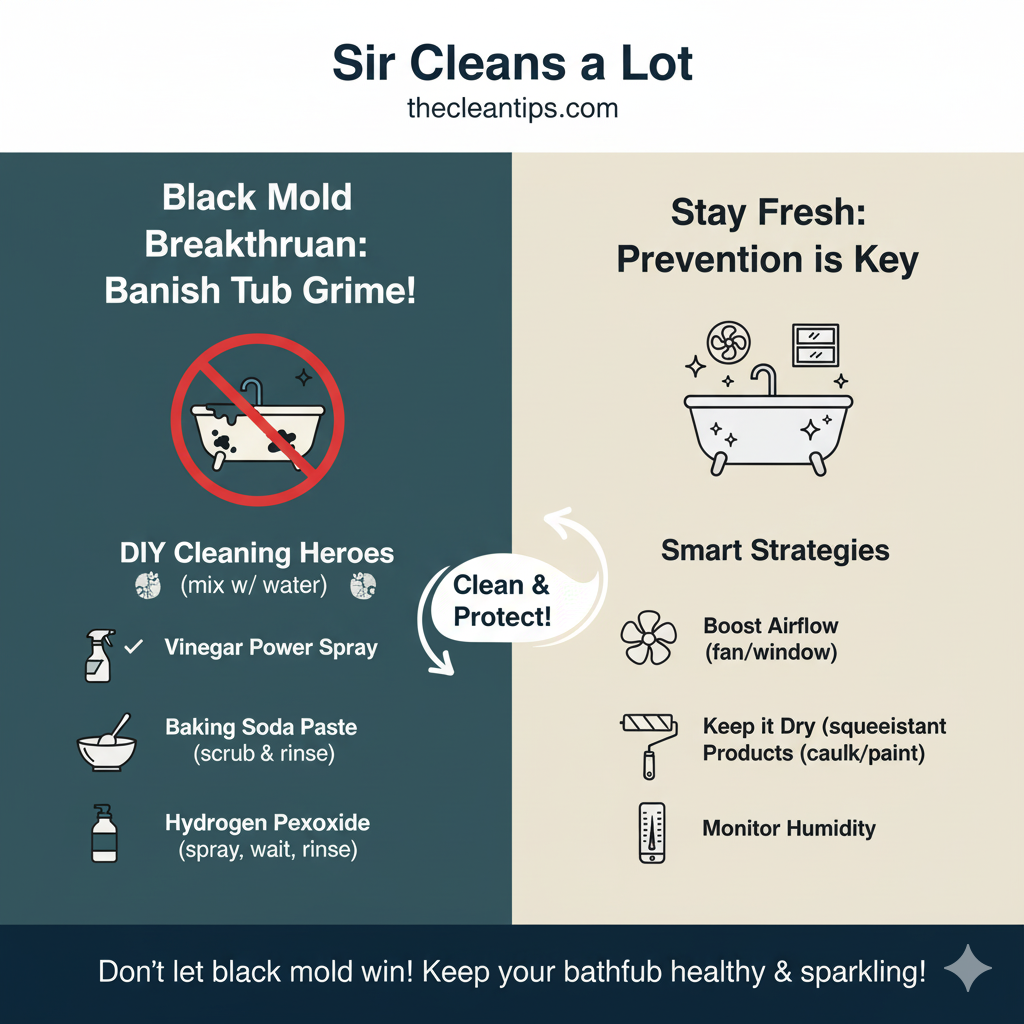
Effective methods for removing black mold from your bathtub
We’ve all experienced the frustration of discovering black mold in our bathtubs, and it can feel overwhelming to deal with. Understanding the risks associated with mold is crucial for maintaining a healthy home, so we need to take action. In this article, we’ll explore effective methods for removing that pesky clean bathtub black mold, ensuring our bathing spaces stay safe and hygienic. We’ll also discuss natural cleaning solutions and the safe use of chemical cleaners. Together, we can learn how to prevent mold from returning and know when it’s time to call in the professionals.
Understanding Black Mold and Its Risks
We know that black mold can pose serious health risks, especially for those with respiratory issues. It’s crucial for us to recognize the common causes of mold growth in our homes. By identifying the signs of black mold, we can take proactive steps to protect ourselves and our families.
Health Risks of Mold
Mold exposure can lead to a variety of health issues, including respiratory problems and allergic reactions. We’ve noticed that some people experience persistent coughing or sneezing when exposed to mold. It’s alarming how quickly mold can trigger asthma attacks for those who are sensitive. We’ve also seen cases where long-term exposure has led to more severe health complications. It’s essential for us to take mold seriously and address any growth in our homes immediately.
Common Causes of Growth
Many factors contribute to mold growth in our homes, including moisture, poor ventilation, and water leaks. We often overlook the impact of high humidity levels, especially in bathrooms and kitchens. Regularly neglected plumbing issues can also create the perfect environment for mold to thrive. Additionally, using carpets or rugs in damp areas can trap moisture and promote growth. By understanding these common causes, we can start identifying black mold signs more effectively.
Identifying Black Mold Signs
Identifying black mold signs can help us take action before the problem worsens. We can look for dark spots or patches in damp areas, especially around the bathtub. If we notice a musty odor, it’s a strong indication that mold may be present. We should also check for any water leaks or condensation that could contribute to mold growth. Taking these steps can ensure we maintain a healthier environment for ourselves and our loved ones.
Identifying the Signs of Black Mold in Your Bathtub
When we’re checking for black mold in our bathtub, we should keep an eye out for visual indicators that can signal its presence. It’s also important to be aware of any health symptoms we might experience, as they could be linked to mold exposure. By paying attention to these signs, we can take action before the problem escalates.
Visual Indicators of Mold
Noticing dark spots or a fuzzy texture in our bathtub can be clear visual indicators of mold. We might also see discoloration on the grout or caulking, which can suggest a hidden problem. If we notice a musty smell lingering in the bathroom, it could be a sign that mold is present. Stains that keep reappearing despite cleaning efforts often point to persistent mold growth. It’s crucial to recognize these signs, as they may lead us to consider health symptoms to watch.
Health Symptoms to Watch
We’ve got to be aware of respiratory issues and allergic reactions that can arise from exposure to mold in our homes. If we notice sneezing, coughing, or a runny nose, it might be a sign that mold is affecting our health. We should also pay attention to any skin irritations or rashes that develop after using the bathtub. If we experience headaches or fatigue, it could be linked to mold exposure as well. Keeping track of these symptoms can help us take the necessary steps to protect ourselves and our families.
Natural Cleaning Solutions for Mold Removal
When it comes to tackling mold in our bathtubs, we’ve got some effective natural cleaning solutions up our sleeves. By using ingredients like vinegar, baking soda, and tea tree oil, we can create powerful mixtures to fight black mold. Let’s explore these methods and see how they can help us restore a clean and safe bathing environment.
Vinegar and Baking Soda
Vinegar and baking soda make a dynamic duo for combating stubborn mold stains in our bathtubs. We can start by spraying vinegar directly onto the affected areas, letting it sit for a few minutes. Then, we sprinkle baking soda over the vinegar, creating a fizzy reaction that lifts the mold away. After scrubbing with a brush, we rinse the area thoroughly to reveal a cleaner surface. We’ve found that this method not only works wonders but also leaves our bathtubs smelling fresh.
Tea Tree Oil Solution
Tea tree oil is a powerful ally in our fight against mold, and its antifungal properties make it an excellent choice for keeping our bathrooms fresh. We can mix a few drops of tea tree oil with water in a spray bottle to create an effective cleaning solution. Once we’ve applied it to the affected areas, we let it sit for a while to penetrate the mold. Afterward, we can scrub the surface gently and rinse it clean. With regular use, we’ve found that tea tree oil helps prevent mold from returning.
Hydrogen Peroxide Mixture
Hydrogen peroxide mixtures have proven to be an effective way for us to eliminate mold and disinfect surfaces in our homes. We can mix equal parts of hydrogen peroxide and water in a spray bottle for easy application. After spraying the affected areas, we should let it sit for about 10 to 15 minutes to ensure its effectiveness. Next, we’ll scrub the moldy spots with a brush before rinsing thoroughly with water. This method not only tackles black mold but also leaves our bathtubs smelling fresh and clean.
Lemon Juice Application
Lemon juice is a fantastic natural option for us to consider in our mold removal efforts. Its acidity helps break down mold and deter future growth, making it a great ally in our cleaning routine. We can simply apply it directly to the affected areas and let it sit for a while before scrubbing. The fresh scent it leaves behind is an added bonus, enhancing our bathing experience. Now that we’ve explored natural options like lemon juice, let’s dive into the best practices for using chemical cleaners safely and effectively.
Using Chemical Cleaners Safely and Effectively
When we’re tackling stubborn mold, using chemical cleaners can be an effective solution. However, it’s crucial we know how to use them safely and effectively to protect ourselves and our homes. Let’s explore some key points to ensure we’re doing it right.
Choosing the Right Cleaners
Choosing the right cleaners can make a significant difference in how effectively we tackle different types of messes. We’ve got to consider the ingredients and their suitability for the surfaces we’re cleaning. It’s important we read labels to ensure we’re selecting products specifically designed for mold removal. By doing so, we can maximize our cleaning efforts and minimize any potential damage. Now, let’s discuss the safety precautions to follow while using these cleaners.
Safety Precautions to Follow
We’ve got to remember that wearing protective gear is essential to keep ourselves safe while using chemical cleaners. This includes gloves, masks, and goggles to prevent skin irritation and respiratory issues. It’s also important we ensure proper ventilation in the area we’re working in to avoid inhaling harmful fumes. We should always read the labels and follow the manufacturer’s instructions for safe usage. With these precautions in mind, we can now look into the proper application techniques to maximize effectiveness.
Proper Application Techniques
Proper application techniques are essential for maximizing the effectiveness of chemical cleaners while minimizing risks to our health. We should always read the labels carefully to understand the appropriate usage instructions. It’s important we ventilate the area by opening windows or using fans to disperse fumes. When applying the cleaner, we need to use gloves and masks to protect our skin and respiratory system. By following these steps, we can ensure a safer cleaning process, paving the way for preventive measures to keep our bathtub mold-free.
Preventive Measures to Keep Your Bathtub Mold-Free
To keep our bathtubs mold-free, we’ll need to implement some effective preventive measures. By staying proactive, we can avoid the hassle of dealing with mold later on. Let’s look at some key strategies we can adopt.
Regular Cleaning Schedule
Establishing a regular cleaning schedule helps us maintain a fresh and mold-free bathtub. We should aim to clean our tub at least once a week to prevent any buildup of mold. By using the right cleaning products, we can ensure that we’re effectively targeting any potential mold spores. It’s important for us to stay consistent with our schedule, as this makes a significant difference in keeping our bathroom healthy. Next, we’ll explore proper ventilation techniques to further enhance our mold prevention efforts.
Proper Ventilation Techniques
Ensuring adequate ventilation in our bathrooms can significantly reduce moisture buildup and prevent mold growth. We’ve gotta keep our exhaust fans running during and after showers. Opening windows when possible lets fresh air circulate and helps lower humidity levels. It’s also helpful to leave the bathroom door open after bathing to promote airflow. By adopting these practices, we’re making it harder for mold to establish itself in our bathtubs.
Moisture Control Strategies
Moisture control strategies are essential if we’re going to keep our bathtubs free from mold and mildew. We can start by ensuring that we dry the tub after each use. Keeping the bathroom well-ventilated helps reduce humidity levels. We’ll also want to check for leaks and repair them promptly. By using moisture-absorbing products, we can further decrease the likelihood of mold growth.
Use Mold-Resistant Products
Using mold-resistant products can significantly reduce the chances of mold growth in our bathtubs. We’ve got a variety of options, from mold-resistant paints to specialized caulks that can protect our surfaces. By choosing these products, we can create a barrier against moisture that encourages mold development. Regularly applying these products helps maintain a healthier bathing environment. However, if we notice persistent mold issues despite our efforts, it’s essential to know when to seek professional help for mold removal.
When to Seek Professional Help for Mold Removal
Sometimes, we may not realize how serious a mold problem can become until it’s too late. When we notice signs of severe infestation or experience health risks from mold exposure, it’s crucial to act quickly. Let’s explore the specific indicators that signal when it’s time to call in the professionals.
Signs of Severe Infestation
We can easily identify signs of severe infestation by looking for visible mold growth, musty odors, and unexplained health issues among occupants. If we notice dark spots on surfaces or peeling paint, it’s a red flag that mold may be thriving in our environment. Additionally, if we find ourselves experiencing persistent respiratory problems or allergic reactions, it’s time to take action. We shouldn’t ignore water damage or leaks, as these often lead to mold proliferation. Understanding these signs can help us recognize the health risks of mold exposure.
Health Risks of Mold Exposure
Health risks from mold exposure can affect anyone in our homes, leading to respiratory issues and allergic reactions. We’ve all noticed how mold can trigger sneezing, coughing, or even skin irritations. It’s alarming to think that persistent exposure might worsen asthma or other chronic conditions we might already have. If we find ourselves experiencing these symptoms without explanation, it’s time to take it seriously. Let’s not underestimate the impact mold can have on our overall health and well-being.
Frequently Asked Questions
How long does it typically take for black mold to grow in a bathtub?
When it comes to how long it typically takes for black mold to grow in a bathtub, we usually see it start to develop within 24 to 48 hours under the right conditions. If moisture and warmth are present, mold can thrive quickly, so we need to be vigilant. We’ve often noticed that areas that aren’t cleaned regularly or have poor ventilation are more prone to rapid growth. It’s essential for us to keep an eye on these spots to prevent any potential issues.
Can black mold cause long-term health issues if not removed?
Yes, black mold can definitely cause long-term health issues if we don’t address it. Prolonged exposure may lead to respiratory problems, allergic reactions, and other serious health concerns. It’s crucial for us to prioritize our environment and ensure that we’re living in a mold-free space. By taking action early, we can help protect our health and well-being.
Are there specific bathtubs or materials that are more prone to black mold?
We’ve noticed that certain materials can indeed be more prone to black mold. For instance, porous surfaces like grout and unsealed natural stone tend to harbor moisture, making them ideal for mold growth. Also, older bathtubs made of materials like cast iron or acrylic can develop cracks that trap water, further encouraging mold. So, it’s important for us to choose our bathtub materials wisely to minimize the risk.
If you’re looking for additional effective strategies to tackle black mold in your bathroom, I highly recommend visiting this resource on the best natural remedies to remove black mold from shower grout. You’ll discover a variety of eco-friendly solutions that can help you maintain a clean and safe bathing environment. Check it out here: remove black mold from shower grout.
Explore This Topic

Sir Cleans a Lot is a professional home cleaning specialist with over 10 years of hands-on experience. He has helped thousands of homeowners tackle stubborn stains, eliminate mold, and keep their homes spotless using practical, science-backed methods. When he’s not testing the latest cleaning products or researching stain removal techniques, he’s sharing his expertise to make cleaning easier for everyone.