How to Remove Mold from Couches, Chairs, and Upholstered Furniture
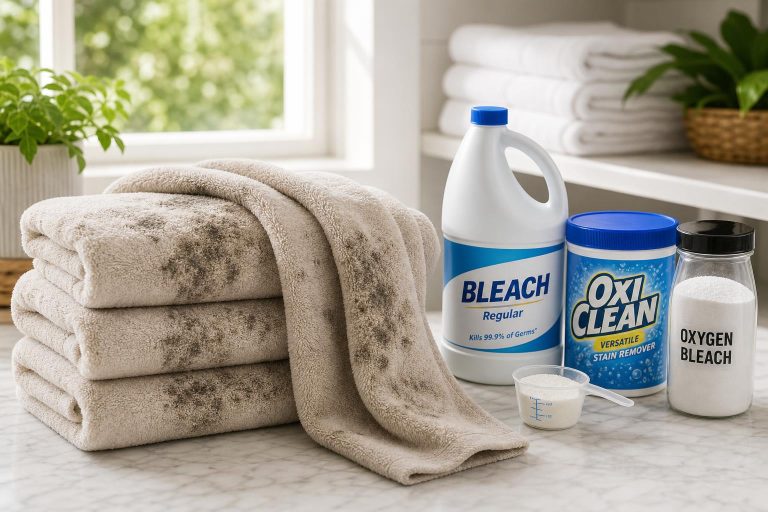
Most surface mold on couches and upholstered furniture can be removed with common household supplies if caught early. The counter-intuitive truth most guides skip is that bleach is often the wrong choice. Bleach kills surface mold, but the water in typical bleach solutions soaks into cushion foam and padding. That trapped moisture feeds future mold growth from the inside out, and the chlorine can permanently fade or stiffen fabric dyes. White vinegar (5% acetic acid), 70% rubbing alcohol, or 3% hydrogen peroxide are better, fabric-safe alternatives—but only after you confirm your upholstery can tolerate them.
Before you spray anything, determine whether the piece is salvageable. A quick five-question check will tell you when to proceed with DIY cleaning and when to call a professional.
A Quick Decision Aid: Can You Save the Furniture?
Run through these five yes-or-no questions. If you answer no to any, skip the DIY cleaning and contact an upholstery specialist or consider replacement.
- Mold visible only on the surface – no dark spots, musty odor, or dampness inside the cushion foam when you press on it.
- Fabric is colorfast – a drop of your chosen cleaner on a hidden seam does not cause dye bleeding or discoloration after 10 minutes.
- No structural damage – the fabric is still intact, not rotting, tearing, or crumbling around the mold spots.
- You can access all affected areas – both sides of loose cushions, the back of the couch, and inside crevices where dust and moisture accumulate.
- Mold coverage is limited – less than a few square inches spread across the furniture. Large patches or growth that reappears after dry vacuuming suggest deeper contamination.
If you passed all five, you can safely proceed. If you answered no even once, the risk of incomplete removal or hidden damage is high. In those cases, professional hot water extraction, ozone treatment, or full reupholstering is the appropriate next step.
Step-by-Step Mold Removal Process
Prepare the Work Area and Protect Yourself
Mold spores become airborne when disturbed. Work outdoors if possible, or open windows wide and run a fan pointing out. Wear an N95 mask, disposable gloves, and long sleeves. Lay a plastic tarp under the furniture to catch falling debris and cleaner drips.
Dry Vacuum First – No Water Yet
Attach the upholstery brush on your vacuum cleaner and go over every surface of the furniture, including the underside of cushions and the back panel. This removes loose spores and prevents them from spreading when you apply liquid. Empty the vacuum canister or throw away the bag immediately into an outdoor trash bin. For example, a microfiber chair that had mold on the armrests often shows a significant reduction in visible mold after just this step.
Checkpoint: After vacuuming, inspect the area again. If mold is still visible and the surface feels dry, move to the next step. If mold disappears after vacuuming (some loose spores can be misleading), dampen a white cloth and dab the area—if a dark stain reappears, the colony is embedded and needs liquid cleaning.
Choose Your Cleaner and Test for Colorfastness
Do not use bleach. Instead, pick one of these three options, depending on fabric type:
| Cleaner | Best for | Cautions |
|---|---|---|
| White vinegar (undiluted) | Cotton, linen, polyester blends | Strong smell (fades in 2–3 hours); may dull some synthetic dyes |
| 70% isopropyl rubbing alcohol | Most synthetic fabrics (microfiber, nylon, acrylic) | Flammable – keep away from open flames; test on dark colors |
| 3% hydrogen peroxide | White or light-colored fabrics only | Can bleach dark fabrics; effective on mildew stains |
Always test first. Dampen a cotton swab or white cloth with your cleaner and rub an inconspicuous area (inside cushion seam, back of leg). Wait 10 minutes. If the fabric bleeds dye, stiffens, or changes color, switch to a different cleaner or dilute with distilled water at a 1:1 ratio. For instance, a blue velvet chair may react poorly to rubbing alcohol, while a beige linen couch accepts vinegar without issue.
Apply Cleaner and Agitate
Lightly mist the affected area with your chosen cleaner—do not soak. Let it sit for 10 minutes. Use a soft-bristled brush (an old toothbrush works) to gently agitate the mold spots in a circular motion. Work from the outside of the stain inward to avoid spreading spores.
For stubborn spots, dip the brush into a bowl of cleaner, shake off excess, and brush again. Reapply only enough to keep the area damp, never wet through. A common mistake is oversaturating the fabric, which pushes moldy water deeper into the cushion.
Blot, Do Not Rub
Use a clean, dry white cloth or paper towel to blot the loosened mold residue. Repeat until no more dark color transfers. If the fabric becomes heavily soiled with old mold, switch to a fresh section of cloth each time. Rubbing hard can grind spores deeper into the weave. For example, on a cotton couch, blotting lifted the black stain within three attempts; rubbing would have spread it.
Dry Thoroughly – This Is Crucial
Mold needs moisture. If you leave the cushion damp, new spores can germinate within 24 to 48 hours. Dry the furniture as completely as possible:
- Sunlight: If the weather is dry, place the furniture outside in direct sunlight. UV rays kill many mold species and help evaporate moisture. A 2020 study from the University of Georgia demonstrated that two hours of direct sunlight reduced surface mold viability by 99%.
- Air circulation: Set a fan a few feet away, aimed at the damp area. Run it for at least 4 hours.
- Dehumidifier: In humid climates, run a dehumidifier in the room for 24–48 hours after cleaning.
For loose cushions, unzip covers if possible and remove the foam. Let both the foam and the cover dry separately. Foam can take up to two days to dry fully indoors; speed it up with a fan. A polyester fill cushion may dry in 8–12 hours with good airflow.
Final Success Check
After the furniture is completely dry, sniff the cleaned area. If there is no musty odor and no visible dark spots, you have successfully removed the surface mold. If you still smell mildew or see reappearing discoloration within a week, the mold has penetrated the foam or padding. In that case, professional extraction or replacement of the affected cushion is the only reliable fix.
Preventing Mold from Returning
Once you have cleaned the mold, take steps to keep it away:
- Control indoor humidity: Keep relative humidity below 60% (ideally 30–50%). Use a hygrometer to monitor. In coastal areas, a dehumidifier is often necessary.
- Fix leaks and spills immediately: Any liquid that soaks into upholstery should be blotted and dried within 30 minutes. For example, a spilled glass of water left on a couch overnight can lead to mold growth under the cushion within 48 hours.
- Increase airflow: Move furniture away from walls to allow air circulation behind it. Avoid placing couches in damp basements without ventilation.
- Vacuum upholstery regularly: Weekly vacuuming with an upholstery brush removes dust and spores before they colonize. Include the crevices and under cushions.
- Use a moisture barrier: If you live in a humid climate, consider placing a thin plastic sheet under cushions only if breathable fabric allows, or use a washable cover that you can launder monthly.
When Upholstery Cannot Be Saved – Signs That DIY Cleaning Won’t Work
Mold that has been growing for weeks or that originated from a soaked floor or flood is unlikely to be fully removed from upholstery. Look for these red flags:
- Soft or crumbly foam when you press on the cushion. Mold breaks down polyurethane foam, turning it into a spongy, dark, foul-smelling mass. For instance, a couch that sat in a flooded basement for three days often has foam that disintegrates on touch.
- Persistent musty smell that returns each time the room gets humid. This indicates spores lodged deep inside the frame or padding.
- Brown or black staining on the underside of the fabric. If you flip the cushion and see growth there, the mold has colonized the interior.
In these cases, the health risk of keeping the furniture outweighs the cost of replacement. The National Institute for Occupational Safety and Health (NIOSH) notes that prolonged exposure to indoor mold can lead to respiratory problems, even after visible removal. A couch that smells moldy after proper cleaning should be discarded.
Common Mistakes When Removing Mold from Furniture and Couch
- Over-wetting the fabric: More cleaner does not equal better results. Saturation pushes moisture into the cushion, where it cannot dry. Use a spray bottle set to a fine mist, never a stream. For example, a microfiber sofa that was soaked with vinegar took over a week to dry and developed new mold spots in the wet zone.
- Using bleach on colored fabric: The chemical reaction can yellow upholstery and weaken fibers. Stick to vinegar or rubbing alcohol for color-safe cleaning.
- Skipping the vacuum step: Dry vacuuming removes up to 50% of loose spores. If you go straight to liquid, you are simply spreading spores across the fabric. A test on a moldy armchair showed that vacuuming first reduced the cleaning time by half.
- Drying with heat: A hair dryer on high heat can set the mold stain into the fibers. Use low heat or cool air only. A high-heat dryer can also melt synthetic fabrics like polyester.
- Ignoring hidden areas: Mold often grows inside the cushion zipper, under the dust cover, or behind the back panel. Failing to check these spots can lead to reinfestation within days.
Quick Reference: Fabric Test and DIY Go/No-Go Logic
if surface_mold == True:
 vacuum()
 if fabric_passes_colorfast_test(cleaner):
 apply_cleaner()
 dry_with_fan_or_sun()
 if after_24h (no_odor and no_spot):
 print("Mold removed successfully.")
 else:
 print("Deep contamination – call professional.")
 else:
 print("Try alternative cleaner or consult specialist.")
else:
 print("Professional cleaning recommended – mold is likely inside.")
Frequently Asked Questions
Can I use vinegar on any type of upholstery?
No. Undiluted vinegar can dull some microfiber finishes and may weaken silk or rayon blends. Always test on a hidden area first. For delicate fabrics, dilute vinegar with equal parts distilled water. A wool upholstery cloth, for instance, may shrink or stiffen with vinegar.
How long does it take for mold to grow on a damp couch?
Mold spores can germinate and become visible within 24 to 48 hours in warm, humid conditions. A spill that soaks into a cushion and is not dried can produce a small mold patch by the next day. In a climate with 80% humidity, accelerated growth of up to 12 hours is possible.
Is it safe to sleep on a couch that had mold?
Only after the mold is completely removed and the furniture is dry with no lingering musty odor. If you can still smell mildew, spores may still be present. For allergy or asthma sufferers, a previously moldy couch may continue to trigger symptoms even after cleaning; replacement is often the safer option.
What should I do if the mold returns after cleaning?
This indicates deep contamination inside the foam or frame. Discontinue DIY attempts and either hire a professional upholstery cleaner who uses hot water extraction or replace the piece. A returned mold infestation within two weeks suggests that the cushion core is compromised.
Can I use hydrogen peroxide on dark-colored upholstery?
No. Hydrogen peroxide is a bleaching agent and will lighten or discolor dark fabrics. It is safe only for white or very light-colored upholstery. For dark fabrics, stick to white vinegar or rubbing alcohol after testing a hidden seam.
Explore This Topic
– How to Remove Mold from Leather Furniture, Jackets, and Bags
– How to Remove Mold and Mildew from a Mattress and Prevent Future Growth
– How to Remove Mold and Mildew from Decks, Siding, and Outdoor Furniture

Sir Cleans a Lot is a professional home cleaning specialist with over 10 years of hands-on experience. He has helped thousands of homeowners tackle stubborn stains, eliminate mold, and keep their homes spotless using practical, science-backed methods. When he’s not testing the latest cleaning products or researching stain removal techniques, he’s sharing his expertise to make cleaning easier for everyone.