
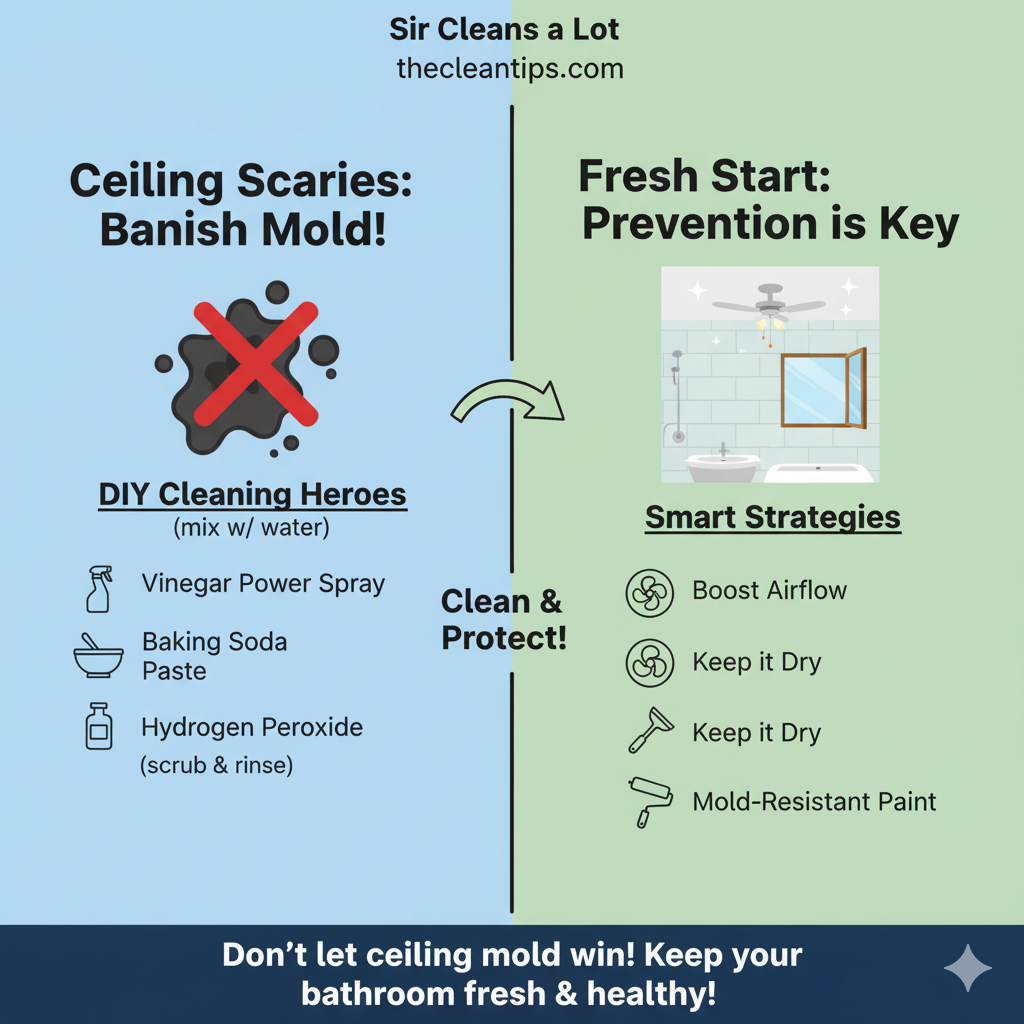
Effective Methods for Cleaning Bathroom Ceiling Mold
I’ve faced the frustrating issue of mold on my bathroom ceiling, and I know I’m not alone. It can be daunting to clean bathroom ceiling mold, but I’ve discovered some effective methods that really work. In this article, I’ll share my insights on the common causes of mold and the essential supplies needed for removal. From natural remedies to commercial cleaners, I’ll guide you through the best options to tackle this problem. Plus, I’ll provide tips on preventing mold regrowth so you can enjoy a clean and fresh bathroom.
Key Takeaways
High humidity and poor ventilation are primary contributors to bathroom ceiling mold growth, posing health risks such as respiratory issues and skin irritation.
Effective cleaning involves using natural agents like vinegar and baking soda, along with commercial cleaners for severe infestations, while ensuring proper ventilation during the process.
Regular preventative measures, including adequate ventilation, moisture removal, and mold-resistant paint, are essential to inhibit future mold growth.
Seek professional help if mold persists despite DIY cleaning, if there is extensive coverage, or if health symptoms worsen after exposure.
Common Causes of Bathroom Ceiling Mold
Humidity and poor ventilation are two common causes of bathroom ceiling mold that I’ve noticed in my own home. I often find that after a hot shower, the steam lingers and creates the perfect environment for mold to thrive. I’ve realized that my bathroom fan isn’t powerful enough to pull out all the humidity. Sometimes, I forget to turn it on, and that just adds to the problem. I’ve also noticed that my windows don’t open easily, which limits airflow. When the air stays damp, it seems like mold appears out of nowhere. I’ve seen how dark corners can accumulate moisture, making them a breeding ground for mold. I’ve tried to keep the bathroom dry by wiping surfaces, but it isn’t always enough. It’s clear to me that addressing humidity and ventilation is crucial for preventing mold growth.
Essential Cleaning Supplies for Mold Removal
The essential cleaning supplies for mold removal in my bathroom include vinegar, baking soda, and a sturdy scrub brush. I’ve also found that using hydrogen peroxide is really effective against stubborn mold. A spray bottle helps me easily apply the vinegar or hydrogen peroxide to affected areas. I always keep a pair of rubber gloves handy to protect my hands during the process. A bucket is essential for mixing my cleaning solutions and disposing of any debris.
I sometimes use an old toothbrush for those hard-to-reach spots. A microfiber cloth is perfect for wiping down surfaces after scrubbing. I also like to have a putty knife on hand for scraping off any mold that’s particularly stubborn. Finally, I always make sure to have a good fan or open window for ventilation while I’m cleaning.
Natural Remedies for Removing Mold
Natural remedies like vinegar and baking soda really help me tackle mold on my bathroom ceiling. I mix equal parts of vinegar and water in a spray bottle. When I spray it directly on the mold, I can see it start to dissolve. After letting it sit for a while, I scrub the area with a brush. Sometimes, I sprinkle baking soda on top for added scrubbing power. I love how these natural options are safe for my family and pets. I’ve also tried using tea tree oil mixed with water, and it works wonders too. It’s great knowing I’m not using harsh chemicals in my home. Plus, the fresh scent is a nice bonus!
Using Commercial Cleaners Effectively
Using commercial cleaners can really make a difference in tackling stubborn mold on the bathroom ceiling. I’ve found that choosing the right product is key to getting the best results. When I apply the cleaner, I always make sure to follow the instructions carefully. It’s important to let the solution sit for a bit so it can penetrate the mold effectively. I usually wear gloves and a mask to protect myself from any harsh chemicals. After scrubbing the area, I rinse it thoroughly to remove any residue. I’ve noticed that using a good brush helps get into the crevices where mold likes to hide. Once I’m done, I make sure to ventilate the bathroom to help dry the area quickly. Overall, I’ve had great success with commercial cleaners in keeping my bathroom mold-free.
Step-by-Step Guide to Cleaning Mold
Cleaning mold from the bathroom ceiling requires a step-by-step approach that I find really effective. First, I gather all the necessary supplies, including gloves, a mask, and a cleaning solution. Next, I ensure the bathroom is well-ventilated by opening windows and turning on the exhaust fan. I then put on my gloves and mask to protect myself from spores. After that, I spray the cleaning solution directly onto the moldy areas and let it sit for a few minutes. Once the solution has had time to work, I scrub the mold away with a soft brush or sponge. I make sure to rinse the area with water afterwards to remove any remaining residue. Finally, I dry the ceiling thoroughly to prevent future mold growth. I always keep an eye on the area to catch any re-emergence early on.
Preventative Measures to Avoid Mold Regrowth
I find that keeping the bathroom well-ventilated really helps in preventing mold regrowth. I always make sure to open a window or turn on the exhaust fan while showering. I also try to wipe down surfaces after use to eliminate excess moisture. I like to use a squeegee on shower walls to prevent water buildup. I’ve noticed that regularly checking for leaks can make a big difference too. I keep an eye on the caulk around the tub and sink, replacing it if it starts to wear out. I find that using mold-resistant paint on the ceiling really helps as well. I tend to keep bathroom items organized and off surfaces to reduce clutter. I’ve found that maintaining a consistent temperature and humidity level can significantly deter mold growth.
Ventilation Tips for a Mold-Free Bathroom
Good ventilation’s been key for me in keeping my bathroom mold-free. I always make sure to use the exhaust fan whenever I take a shower. It really helps to reduce humidity levels. I leave the fan running for at least 30 minutes after I’m done. Sometimes, I even crack a window open to let fresh air in. I’ve noticed that a little airflow goes a long way. I also try to keep the bathroom door open when I’m not using it. I’ve found that this helps prevent stale, moist air from settling in. My bathroom’s remained mold-free ever since I adopted these habits.
When to Call a Professional
Sometimes, if the mold covers a large area or keeps returning, I think it’s time to call a professional. I’ve tried scrubbing it away myself, but it just keeps coming back. It’s frustrating, and I don’t want to risk my health by handling it incorrectly. When I notice a musty smell that lingers, I know it’s a sign I shouldn’t ignore. I’ve learned that some molds can be harmful, and I’d rather be safe than sorry. If I see discoloration spreading beyond the bathroom, that’s a major red flag. I remember feeling overwhelmed with the thought of tackling a huge mold problem on my own. It’s comforting to know there are experts who can handle it efficiently. Ultimately, I’d rather invest in professional help than deal with the potential consequences later on.
Maintaining a Mold-Free Environment
Maintaining a mold-free environment is essential for my home’s overall health and comfort. I make sure to regularly ventilate my bathroom by opening windows and using exhaust fans. I also check for any signs of leaks or water damage, addressing them immediately. I keep my bathroom dry by wiping down surfaces after each use. I’ve found that using mold-resistant paint on the ceilings helps prevent growth. I prefer to use natural cleaning solutions, like vinegar and baking soda, to tackle any mold spots. I stay mindful of humidity levels, often using a dehumidifier when needed. I replace any old or worn-out caulking around tubs and sinks to keep moisture at bay. By following these steps, I feel confident in my mold-free environment.
Frequently Asked Questions
How can i tell if the mold on my bathroom ceiling is toxic?
To tell if the mold on my bathroom ceiling is toxic, I usually start by considering its color and texture. If it’s black and slimy, that can be a sign of black mold, which is often toxic. I also pay attention to any musty smells or health symptoms I might experience when I’m in the bathroom. If I’m unsure, I’ve found that getting a professional assessment is the safest way to determine the type of mold present.
What are the health risks associated with exposure to bathroom mold?
I’ve learned that exposure to bathroom mold can lead to several health risks, especially for those with respiratory issues. It can cause symptoms like coughing, sneezing, and skin irritation, and I’ve even heard it might trigger asthma attacks in sensitive individuals. Prolonged exposure could lead to more serious health problems, so I always try to stay vigilant. It’s definitely something I wouldn’t want to ignore in my home.
Can mold on the ceiling affect the structural integrity of my bathroom?
I’ve often wondered if mold on the ceiling could compromise my bathroom’s structural integrity. From what I’ve learned, while mold itself might not directly weaken the structure, the moisture that supports its growth can lead to wood rot and other issues over time. If not addressed, this could result in significant damage that affects the overall stability of the bathroom. So, it’s essential to tackle any mold problems promptly to avoid potential structural concerns down the line.
If you’re looking to enhance your bathroom cleaning routine, I highly recommend checking out the article on effective methods for cleaning shower tiles. It offers practical tips that can help you maintain a spotless and mold-free shower environment. You can find the article here: clean shower tiles.
