
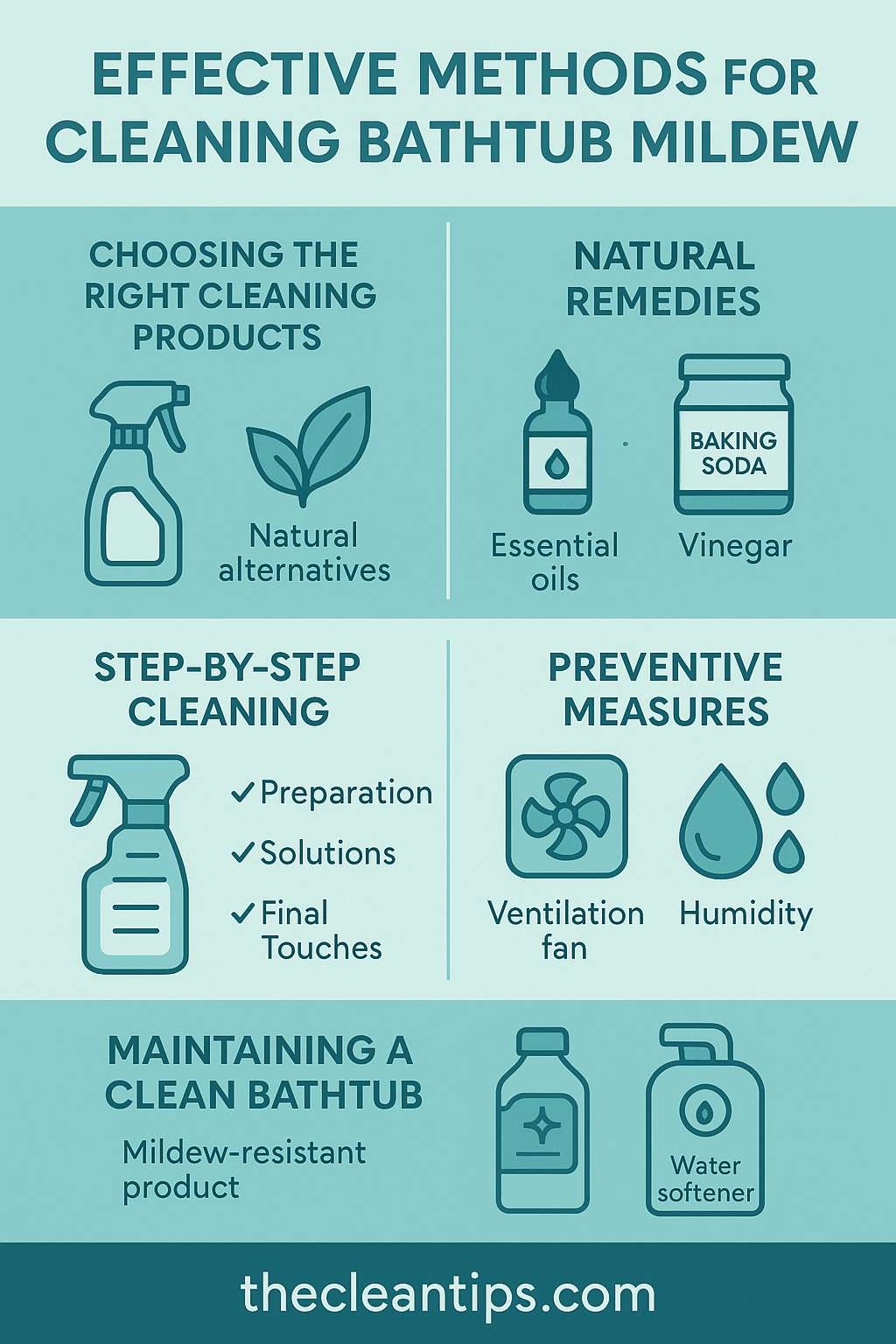
Effective Methods for Cleaning Bathtub Mildew
Bathtub mildew is a common issue that can undermine the cleanliness and aesthetic appeal of any bathroom. Addressing this problem requires not only effective cleaning techniques but also an understanding of the best products and methods available. In this article, we will explore a variety of approaches, including natural remedies and commercial cleaning solutions, to effectively combat mildew growth. Additionally, we will provide step-by-step instructions and preventive strategies to help maintain a pristine bathing environment. By implementing these methods, homeowners can ensure their bathtubs remain free from unsightly mildew and contribute to an overall healthier living space.
Choosing the Right Cleaning Products
Selecting appropriate cleaning products is crucial for effectively addressing mildew in bathrooms while ensuring the safety of both surfaces and users. A variety of options are available, ranging from commercial mildew removers to natural solutions such as vinegar and baking soda. It is essential to read labels carefully to identify active ingredients that target mildew without causing damage to tub surfaces. Additionally, considering the pH levels of cleaning agents can help prevent etching or discoloration of sensitive materials. Eco-friendly products have gained popularity due to their reduced environmental impact and lower toxicity levels. When selecting a product, it is advisable to assess the ventilation and humidity levels in the bathroom, as these factors can influence product efficacy. Ultimately, the right choice of cleaning products can lead to a more efficient and safe cleaning process.
Natural Remedies for Mildew Removal
Natural remedies offer effective alternatives for mildew removal, particularly in areas prone to moisture, such as bathtubs. Utilizing everyday household items can not only eliminate mildew but also promote a healthier environment. The following points highlight some of the most beneficial natural remedies for this purpose.
Essential Oils Benefits
Essential oils possess a wide range of benefits, including antimicrobial properties that can help purify indoor air and enhance overall well-being. These oils, extracted from plants, can effectively combat mold and mildew, making them ideal for cleaning environments prone to moisture. Their natural fragrances also contribute to creating a more pleasant and inviting atmosphere in indoor spaces. Additionally, essential oils can be used in combination with other natural cleaning agents to boost efficacy against stubborn mildew stains. Overall, incorporating essential oils into cleaning routines offers both functional and aromatic advantages.
Baking Soda Solutions
Baking soda solutions serve as a powerful agent in combating mildew due to their mild abrasive properties and ability to neutralize odors. When mixed with water to form a paste, baking soda can be applied directly to affected areas, allowing it to penetrate and lift mildew stains. Furthermore, this natural remedy is safe for use on various surfaces, making it an ideal choice for maintaining a clean bathtub. Regular application not only helps in mildew removal but also prevents future growth by creating an inhospitable environment for spores. Following the use of baking soda, vinegar cleaning techniques can further enhance the mildew-fighting process.
Vinegar Cleaning Techniques
Vinegar cleaning techniques are renowned for their versatility and effectiveness in tackling a variety of household cleaning challenges, including mildew removal. The acetic acid in vinegar serves as a natural antifungal agent, making it particularly useful in damp areas like bathtubs. When applied directly to the affected surfaces, vinegar can penetrate and dissolve mildew buildup without the need for harsh chemicals. Additionally, its low-cost and environmentally friendly nature makes it an attractive option for sustainable cleaning practices. Regular use of vinegar can help prevent future mildew growth, promoting a cleaner and healthier bathroom environment.
Step-by-Step Cleaning Techniques
Effective cleaning of bathtub mildew requires a systematic approach to ensure thorough removal and long-lasting results. By following structured step-by-step techniques, one can achieve optimal cleanliness and maintain a fresh environment. The following points outline essential preparation, suitable cleaning solutions, and important final touches for a successful cleaning process.
Preparation and Supplies Needed
Preparation and supplies needed for cleaning bathtub mildew play a crucial role in ensuring efficiency and efficacy throughout the cleaning process. Essential cleaning agents include bleach or hydrogen peroxide, which are effective in killing mold spores. Additionally, a scrubbing brush or sponge with a non-abrasive surface is necessary to avoid damaging the bathtub’s finish. Protective gear such as gloves and a mask should be utilized to ensure safety while handling cleaning chemicals. Finally, having a spray bottle for solution application and a bucket for rinsing will enhance the overall cleaning experience.
Cleaning Solutions to Use
A variety of cleaning solutions are available for tackling bathtub mildew, each designed to target specific types of mold and bacteria effectively. Common options include bleach, vinegar, and commercial mildew removers, each with its unique properties and applications. It is essential to follow the manufacturer’s instructions and safety guidelines when using these products to ensure efficacy and safety. Additionally, natural alternatives, such as baking soda and essential oils, can provide eco-friendly cleaning solutions for those seeking less harsh chemicals. After selecting the appropriate cleaning solution, attention should be given to final touches and maintenance to prevent future mildew buildup.
Final Touches and Maintenance
Final touches and maintenance play a crucial role in preserving the cleanliness and appearance of the bathtub after mildew removal. Regularly inspecting the bathtub for any signs of recurring mildew is essential to prevent future infestations. Employing a routine cleaning schedule, incorporating gentle cleaning agents, can help maintain the surface integrity. Additionally, ensuring proper ventilation in the bathroom reduces moisture accumulation, which is a key factor in mildew growth. Finally, applying a mildew-resistant sealant can offer long-term protection against future mold and mildew development.
Preventive Measures to Avoid Mildew
To effectively combat mildew growth, implementing preventive measures is essential. Establishing a regular cleaning routine, ensuring proper ventilation, and controlling moisture levels are critical strategies. These proactive steps will significantly reduce the likelihood of mildew forming in your bathroom environment.
Regular Cleaning Routine
Regular cleaning routines play a pivotal role in maintaining a mildew-free environment, as they help eliminate dampness and organic debris that foster its growth. Consistent attention to areas prone to moisture, such as bathtubs and tiles, can prevent the establishment of mildew colonies. Utilizing appropriate cleaning agents specifically designed to combat mildew will enhance the effectiveness of these routines. Additionally, addressing any signs of mildew promptly will further mitigate the risk of extensive growth. Following these practices naturally leads to the need for proper ventilation techniques to ensure sustained dryness and air circulation.
Proper Ventilation Techniques
Effective ventilation techniques are crucial for maintaining a healthy indoor environment and preventing mildew growth, particularly in areas prone to high humidity levels. Utilizing exhaust fans during and after bathing helps to expel excess moisture from the bathroom. Opening windows can also enhance airflow, allowing humid air to escape and fresh air to circulate. Incorporating dehumidifiers in consistently damp areas further aids in moisture control. Regularly inspecting and maintaining ventilation systems ensures their efficiency and effectiveness in reducing mildew risks.
Moisture Control Solutions
Moisture control solutions play a vital role in preventing the proliferation of mildew in indoor environments. Utilizing dehumidifiers and moisture-absorbing materials can effectively reduce humidity levels, creating an inhospitable environment for mildew. Installing exhaust fans in bathrooms promotes adequate air circulation, further mitigating moisture accumulation. Regularly monitoring and addressing leaks or water damage is crucial in maintaining a dry environment. In conjunction with these moisture control strategies, it is essential to focus on maintaining a clean bathtub environment to ensure long-term effectiveness against mildew.
Maintaining a Clean Bathtub Environment
Maintaining a clean bathtub environment is essential for preventing mildew growth and ensuring a hygienic bathing experience. Implementing effective cleaning strategies can significantly reduce the likelihood of mildew development. The following points outline key practices for maintaining cleanliness and preventing mildew in your bathtub.
Routine Cleaning Schedule
A routine cleaning schedule is vital for ensuring that bathtubs remain free from dirt and mildew accumulation. Regularly scheduled cleanings provide an opportunity to address any potential issues before they escalate. Designating specific days for thorough cleaning can help maintain consistency and effectiveness in the cleaning process. Incorporating mildew-resistant products into the cleaning routine can further enhance the prevention of mildew growth. Ultimately, a disciplined approach to cleaning not only preserves the aesthetic of the bathtub but also promotes a healthier bathing environment.
Proper Ventilation Techniques
Proper ventilation techniques play a crucial role in reducing humidity levels and preventing the growth of mildew in bathroom spaces. Utilizing exhaust fans during and after bathing can effectively remove excess moisture from the air. Opening windows to promote cross-ventilation creates a drier environment, inhibiting mildew formation. Regularly checking and maintaining ventilation systems ensures they function optimally, further reducing humidity. Implementing these practices contributes to a healthier and more pleasant bathing experience.
Mildew-Resistant Products
Mildew-resistant products play a crucial role in enhancing the longevity of surfaces in damp environments like bathtubs. These products create a protective barrier that inhibits the growth of mildew and mold. Available in various formulations, they can be applied to different materials, including tiles, grout, and acrylic surfaces. Regular use of mildew-resistant products not only maintains the aesthetic appeal of the bathtub but also contributes to a healthier living space. Investing in these specialized cleaning agents is essential for homeowners seeking to mitigate moisture-related issues effectively.
Water Hardness Impact
Water hardness can significantly influence the accumulation of soap scum and mineral deposits, creating an environment conducive to mildew growth in bathtubs. High levels of calcium and magnesium in hard water contribute to the formation of these deposits, which can harbor moisture and support mildew proliferation. Regular cleaning with appropriate agents can mitigate the effects of hard water, thereby reducing the risk of mildew. Additionally, installing water softeners may be an effective long-term solution to address the underlying issue of hard water. Ultimately, understanding the impact of water hardness is crucial for maintaining a clean and healthy bathtub environment.
Frequently Asked Questions
What are the health risks associated with prolonged exposure to mildew in bathtubs?
Prolonged exposure to mildew can pose several health risks, particularly for individuals with respiratory issues, allergies, or compromised immune systems. Inhalation of mold spores may lead to symptoms such as coughing, sneezing, and nasal congestion, exacerbating conditions like asthma. Additionally, skin contact with mildew can cause irritation or allergic reactions, resulting in rashes or dermatitis. It is essential to address mildew growth promptly to mitigate these health concerns and ensure a safe living environment.
How often should i clean my bathtub to prevent mildew buildup?
To prevent mildew buildup in bathtubs, it is advisable to clean the surface at least once a week. Regular cleaning not only helps to eliminate existing mildew but also reduces the likelihood of future growth by removing moisture and organic material that can promote its development. Additionally, individuals should inspect and clean areas that may be prone to dampness more frequently, such as the tub’s edges and grout lines. Consistent maintenance is essential for ensuring a hygienic and pleasant bathing environment.
Can i use bleach on colored bathtubs without damaging the finish?
Using bleach on colored bathtubs is generally not recommended, as it can lead to discoloration and damage to the finish over time. Many colored surfaces are sensitive to harsh chemicals, including bleach, which can cause fading or create unsightly stains. Instead, it is advisable to opt for milder cleaning agents specifically formulated for use on colored surfaces to ensure their longevity and appearance. Always test a small, inconspicuous area before applying any cleaning solution to assess its compatibility with the bathtub’s material.
If you’re tackling bathtub mildew, you might also be interested in effective strategies for removing black mold from your shower. For comprehensive tips and methods that can help you achieve a cleaner, healthier bathroom, check out this informative page: look here. Your cleaning routine will thank you!