
Best Cleaning Brushes and Scrubbers for Every Surface
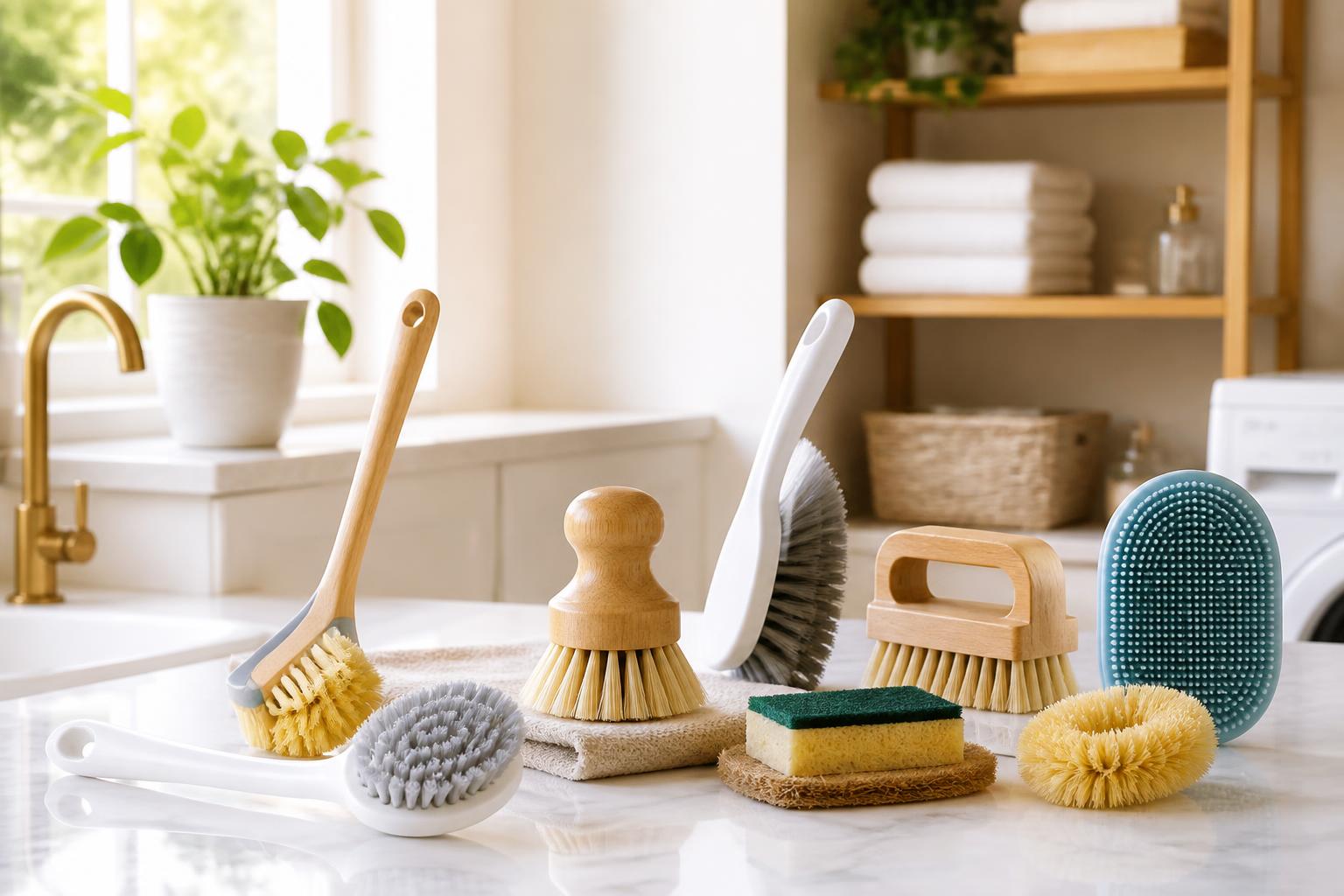
The best cleaning brush for you depends on one thing: what surface you’re cleaning. A stiff-bristle scrub brush that works wonders on a concrete garage floor will scratch a nonstick pan or dull a marble countertop. For most households, a three-brush rotation—a nylon scrub brush for general surfaces, a silicone brush for delicate cookware, and a grout brush for tile—covers nearly every cleaning job without damage. If you already own a stiff nylon brush and are wondering whether you need a silicone one for your nonstick pans, the answer is yes—buy it now. That single swap prevents permanent scratches that ruin the pan’s coating.
Quick answer
If you only buy one brush, pick a medium-stiffness nylon scrub brush with a comfortable handle. It handles sinks, tubs, stovetops, tile floors, and outdoor furniture without scratching. Add a silicone brush for nonstick pans and delicate stone, and a detail brush set for grout lines, faucet bases, and window tracks. That three-brush setup covers about 90 percent of household cleaning surfaces.
Comparison framework
Not all scrub brushes are the same. Bristle material, handle design, and intended surface determine whether a brush cleans effectively or causes damage. Use this table to match brush type to surface:
| Brush Type | Best For | Avoid On | Key Trade-off |
|---|---|---|---|
| Nylon scrub brush (medium stiffness) | Sinks, tubs, tile, stovetops, sealed stone, outdoor furniture | Nonstick cookware, polished marble, acrylic surfaces | Great all-rounder but won’t handle heavy concrete grime |
| Silicone brush | Nonstick pans, cast iron, marble, granite, fiberglass | Caked-on food residue, porous unsealed stone | Gentle but needs more scrubbing passes |
| Stiff natural-fiber brush (tampico, palm) | Wood cutting boards, teak furniture, unsealed tile | Any plastic, acrylic, or glossy finish | Absorbs water well but can mildew if not dried |
| Stainless-steel wire brush | Grill grates, concrete, brick, fireplace surrounds | Any indoor surface, glass, ceramic, painted surfaces | Aggressive on tough grime but causes scratches instantly |
| Grout/detail brush set | Grout lines, faucet handles, window tracks, keyboard crevices | Large flat surfaces, delicate stone | Small head reaches tight spots but takes more time for big areas |
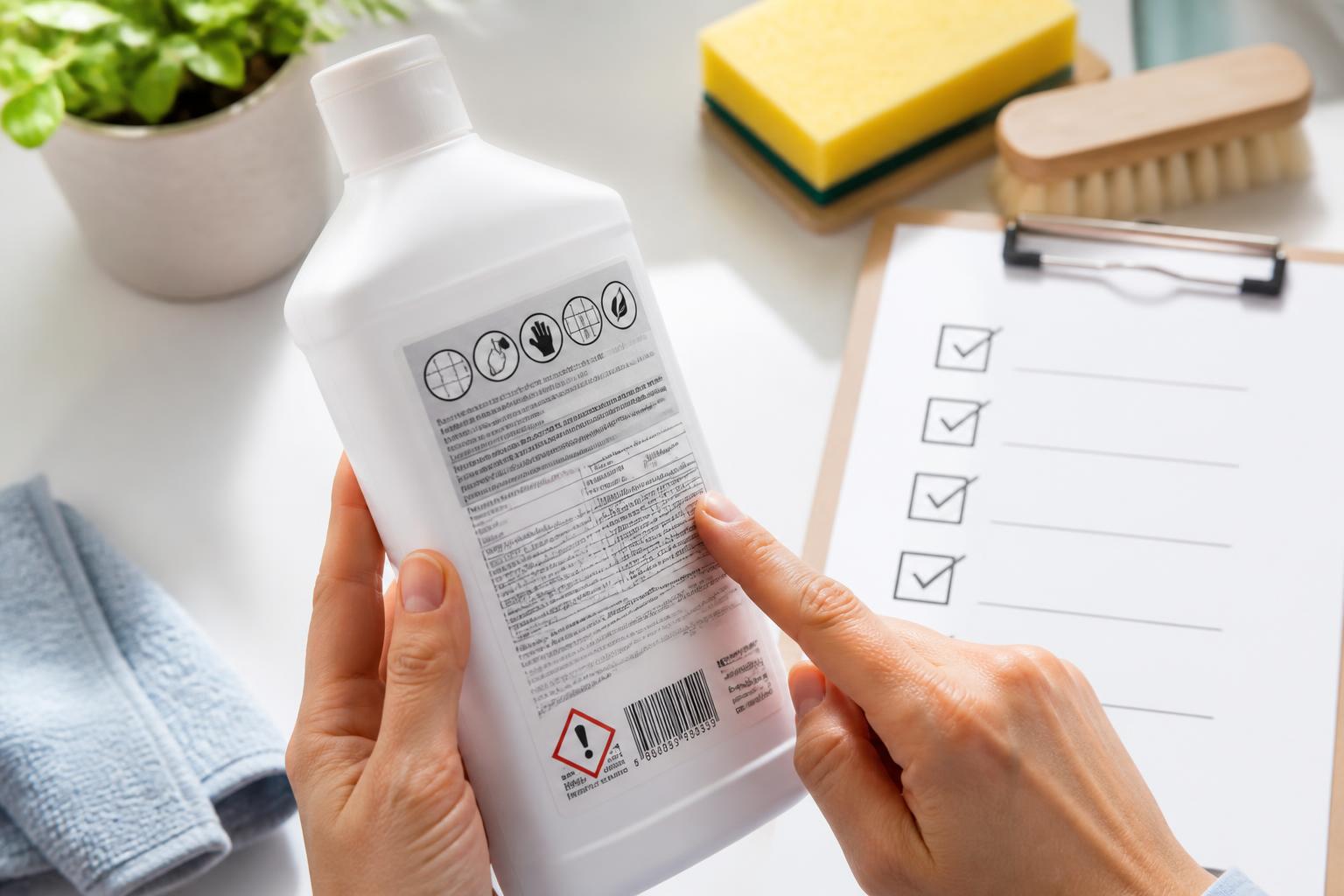
Check before you buy: Look at the brush’s stiffness rating on the package. For delicate surfaces, press bristles against your hand—if they feel sharp or cause any skin irritation, they will likely scratch polished stone or acrylic.
Best-fit picks by use case
Choose your brush based on the surface you clean most often. Each category below lists the recommended brush type, why it works, and one thing to watch for.
Kitchen countertops and sinks
Medium-stiffness nylon scrub brush with an angled handle is the go-to choice. Nylon bristles are firm enough to lift dried food and soap scum but soft enough for most countertop materials—laminate, quartz, granite, and stainless steel. Angled handles keep your hand above the suds and give you leverage on stubborn spots. Avoid scrubbing pads with abrasive coatings (like melamine foam on polished stone); they leave micro-scratches on glossy surfaces that show up under direct light.
Watch for: Bleach or abrasive cleaners can degrade nylon bristles over time. Rinse the brush after each use and replace it when bristles start to fray or soften—usually every three to four months with daily use.
Nonstick cookware and cast iron
Silicone brush or chainmail scrubber is the only safe option here. Silicone brushes are the only safe choice for nonstick coatings—standard nylon or stiff bristles will flake or scratch the coating, ruining the pan. Chipped nonstick coatings can flake into food, so this isn’t just cosmetic. For cast iron, a silicone brush works for everyday cleaning, but a stainless-steel chainmail scrubber handles stuck-on food without stripping the seasoning.
Watch for: Silicone brushes can trap food particles at the base of the bristles. Soak them in hot soapy water every few uses and squeeze the bristles apart to rinse thoroughly. If you see black specks on the brush, replace it immediately—bits of degraded silicone can transfer to food.
Bathroom tile, grout, and tubs
Grout brush with stiff nylon bristles and a handle extension is the right tool here. Grout lines trap soap scum and mildew faster than any other bathroom surface. A dedicated grout brush has narrow, dense bristles that dig into the grooves without damaging the tile. Pair it with a long handle so you can scrub the shower floor without bending. For the tub itself, switch to a larger nylon scrub brush with a suction-cup handle that stays put while you scrub.
Watch for: Do not use the same brush on grout and on acrylic tubs. The stiff bristles that clean grout will scratch acrylic—a single vigorous scrub can leave visible swirl marks. Keep separate brushes or rinse thoroughly between uses, and test any brush on an inconspicuous spot of your tub before going all in.
Outdoor furniture, grill grates, and concrete
Heavy-duty scrub brush with stiff polypropylene or tampico bristles gets the job done outdoors. Outdoor surfaces collect baked-on grease, pollen, and ground-in dirt. A brush with a thick pad and stiff bristles built into the head gives you the scrubbing power you need without requiring a pressure washer. For grill grates specifically, go with a stainless-steel wire brush—but inspect it before each use. Loose wire bristles can break off and end up in your food, and that is a safety risk worth avoiding.
Watch for: Wire brushes on concrete leave scratch marks that trap dirt and make the surface look worse over time. Use a stiff polypropylene brush for concrete and save the wire brush for metal grates only. If you must use a wire brush on concrete for heavy stain removal, accept that the surface will be permanently rougher and harder to keep clean.
Delicate surfaces (marble, granite, fiberglass, acrylic)
Silicone brush or soft cellulose sponge with scrub strip is the safest approach. Polished stone and acrylic materials scratch easily. Silicone is the safest option because it has no sharp edges or hard bristles. For granite countertops, look for a scrubber with a built-in scraper edge that removes stuck-on food without scratching. Fiberglass showers benefit from a brush with flexible bristles that will not abrade the gel coat.
Watch for: Soft scrubbing sponges with melamine foam (like Magic Erasers) can dull polished stone finishes over time. Use them sparingly on stone and always test in an inconspicuous spot first. A 30-second scrub in a hidden corner will tell you if the surface changes sheen.
Quick decision aid: Five checks before you buy
Run through these five checks before you add another brush to your cart. Each one helps you avoid a mismatch that damages a surface or wastes your money.
- Surface check: Can the bristles damage this surface? If yes, go to silicone or a soft sponge. If no, nylon medium-stiffness is safe.
- Soak check: Does moisture sit on this surface (shower, sink, outdoor furniture)? Choose natural-fiber or silicone brushes that drain and dry fast to avoid mildew.
- Grip check: Will your hand be submerged in hot water? An angled handle or a brush with a rubber grip keeps your hand from slipping.
- Reach check: Are you cleaning grout, window tracks, or faucet bases? A detail brush with a narrow head reaches where a full-size brush cannot.
- Frequency check: Will you use this brush daily or weekly? Daily brushes should be silicone or nylon (easy to rinse and quick-drying). Weekly brushes can be stiffer natural fiber or specialty brushes.
If you pass all checks for the surface you are cleaning, the brush is a safe buy. If you are unsure about a surface, test the brush in a hidden area first—scrub with light pressure for 10 seconds, dry it, and look for scratches or dulling under a bright light.
Trade-offs to know
The biggest trade-off in cleaning brushes is stiffness versus risk. Stiffer brushes clean faster and with less elbow grease, but they also damage more surfaces. Here is how to decide:
- Soft bristles (silicone, soft nylon): Take more passes to clean but work on almost every surface. Best for households with mixed materials—nonstick pans, stone countertops, and fiberglass showers.
- Medium bristles (nylon, tampico): The best balance for most people. Clean effectively on tile, stainless steel, laminate, and sealed stone. Avoid on nonstick, polished marble, and acrylic.
- Stiff bristles (polypropylene, wire): Necessary for concrete, grills, and brick. Never use these on any surface inside the house unless you are OK with scratches.
One realistic mismatch: A polypropylene brush labeled heavy duty can feel safe on painted drywall or plastic shower caddies, but it will scratch them. The bristles are too aggressive for any painted or plastic surface. If you accidentally hit a plastic soap dish with a stiff brush, you will see white scuff marks that cannot be buffed out.
Another common failure: Using a bleach-based cleaner on a natural-fiber brush (tampico, palm) will break down the bristles, leaving you with a limp, useless brush after just two or three uses. Stick to mild dish soap with natural-fiber brushes.
The decision criterion that changes the recommendation: If you own nonstick cookware or polished stone countertops, a silicone brush should be your primary scrubber, not your backup. Most people default to a nylon brush and then wonder why their pans look scratched or their counters feel rough. Starting with silicone for those surfaces protects your investment from day one.
FAQ
Can I use the same brush on kitchen counters and bathroom tile?
Yes, as long as you are not switching between raw meat areas and bathroom surfaces without sanitizing. Rinse the brush with hot water and spray it with a disinfectant between rooms. For hygiene, many people keep one brush for the kitchen and a separate one for the bathroom.
How often should I replace cleaning brushes?
Replace nylon and polypropylene brushes every three to six months, or when bristles start to bend permanently and lose stiffness. Replace silicone brushes every six to twelve months, or sooner if they develop tears or cracks. Natural-fiber brushes need replacement every two to three months because they break down faster and trap bacteria.
What is the best way to clean a scrub brush?
Rinse the brush thoroughly after each use, shake off excess water, and let it air dry bristle-side down. Once a week, soak the brush in hot water with a few drops of bleach or white vinegar for ten minutes, then rinse. This prevents bacteria and mildew from building up in the bristles.
Explore This Topic
– Best Scrub Brushes for Deep Cleaning Tile Grout and Tough Stains
– Best Rubber Gloves for Cleaning That Actually Last
– How to Use Microfiber Cleaning Cloths for Every Surface

Sir Cleans a Lot is a professional home cleaning specialist with over 10 years of hands-on experience. He has helped thousands of homeowners tackle stubborn stains, eliminate mold, and keep their homes spotless using practical, science-backed methods. When he’s not testing the latest cleaning products or researching stain removal techniques, he’s sharing his expertise to make cleaning easier for everyone.