
Wash Microfiber Cloths Correctly
Wash microfiber cloths in warm water (105–115°F) with a mild liquid detergent and never use fabric softener, bleach, or dryer sheets. Machine washing on a gentle cycle handles most loads efficiently. Hand washing works for small batches or cloths caked with heavy grease. The one mistake that silently ruins microfiber before you notice it: fabric softener residue coats the split fibers, turning an effective cleaning tool into a slick rag that pushes dirt around instead of trapping it.
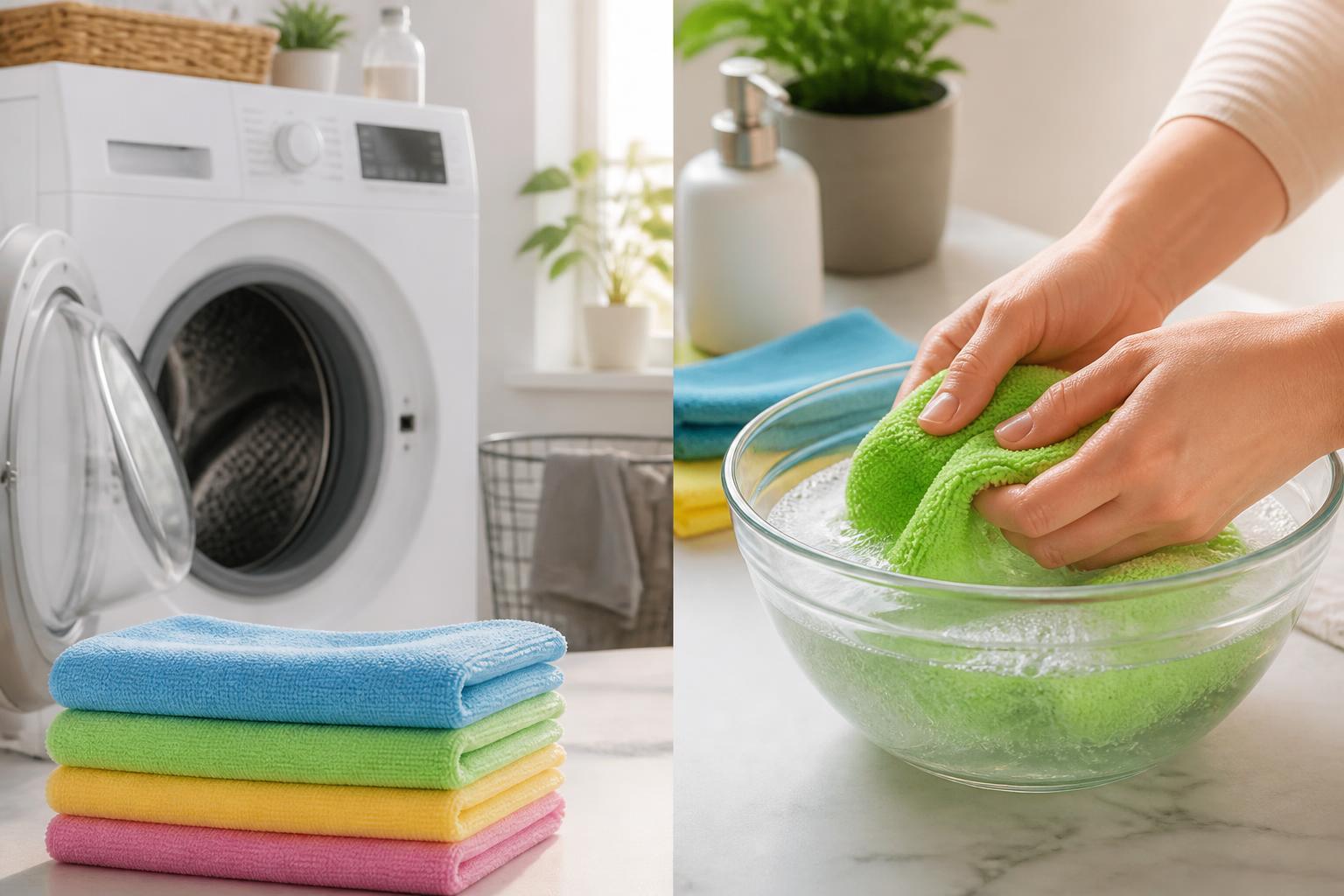
Machine vs Hand: A Quick Method Comparison
| Factor | Machine Wash | Hand Wash |
|---|---|---|
| Best load size | 5+ cloths or a full load | Fewer than 5 cloths |
| Best soil level | Light to moderate dust and dirt | Heavy oil, wax, or caked-on residue |
| Water temperature | Warm, 105–115°F | Warm tap water, same range |
| Detergent type | Liquid HE laundry detergent, 1 tbsp max | Mild dish soap or liquid laundry detergent, a few drops |
| Cycle | Gentle or delicate, 30–45 min | Soak 10 min, gently massage by hand |
| Drying | Air dry or no-heat tumble | Air dry on rack or line |
| Key risk | Overloading or high heat damage | Under-rinsing leaves soap residue |
Machine washing is faster and more thorough for routine cleaning. Switch to hand washing only when you have a handful of cloths or when they are coated in heavy grease that needs manual working.
What this covers: Standard synthetic microfiber cloths (typically 80% polyester / 20% polyamide blend) used for general cleaning, glass, dusting, and automotive work. Specialty microfiber mop pads with attached backing, microfiber towels with silicone-based water-repellent finishes, and industrial-grade cloths rated for solvent exposure have separate care instructions printed on the label. If your cloth tag says “do not wash with other fabrics” or “use cold water only,” follow that tag instead.
Why Fabric Softener Is the Biggest Mistake You Can Make
Fabric softener coats the microscopic splits in microfiber fibers and fills the gaps that trap dirt. A cloth with softener residue pushes moisture and grime around instead of absorbing it. You can catch this early with two quick tests you can run right now:
- Water bead test: Drop a few drops of water onto a dry cloth. If they bead up and roll off instead of soaking in within 2 seconds, the fibers are clogged.
- Streak test: Wipe the cloth across a clean mirror. If it leaves visible streaks or smears instead of a clean, dry surface, the fibers are not grabbing dirt.
If you catch it early: Rewash the cloth with warm water and one teaspoon of distilled white vinegar (no detergent). The mild acid can strip some softener residue. Use this rescue wash only once per cloth—repeated vinegar exposure weakens the fibers. If the cloth still fails the water bead test after that rescue wash, it is permanently damaged. Repurpose it for dry dusting of rough surfaces or dispose of it. Do not put it back into your regular cleaning rotation; it will leave residues on every surface you wipe.
Practical implication: A single wash with fabric softener can reduce a microfiber cloth’s absorbency by 50–70%. The damage does not show immediately. You notice it about three washes later when your glass cloth starts leaving streaks and you cannot figure out why. Check your washing machine’s previous load: if you washed a load of towels with softener, that residue clings to the drum and transfers to your microfiber on the next cycle. Run an empty warm rinse cycle with one cup of white vinegar monthly if you share the machine with loads that use softener.
Step-by-Step Machine Washing Process
-
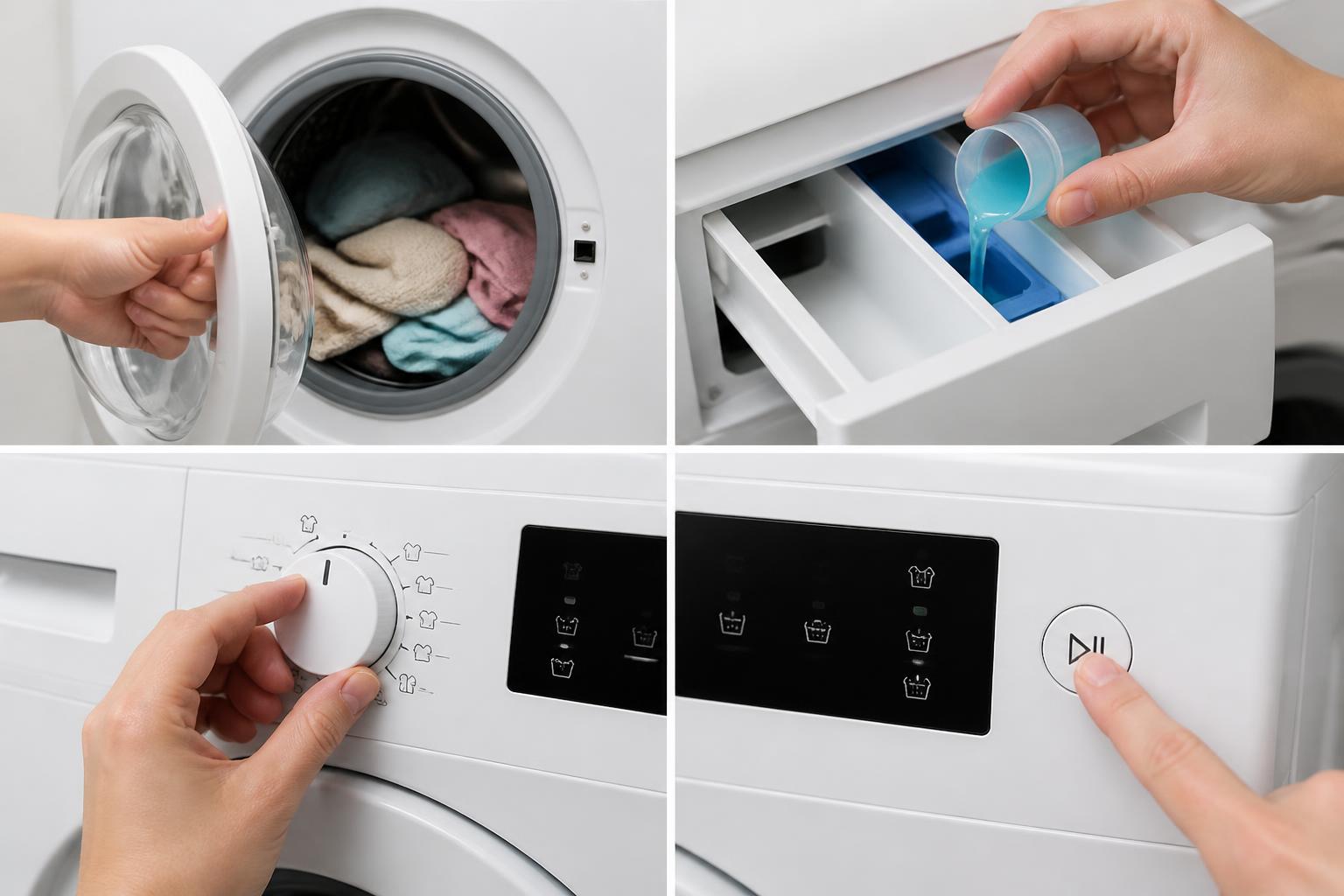
Remove loose debris: Shake each cloth outdoors or brush off hair and crumbs. Do not pre-rinse with hot water; that can set oily stains into the fibers.
-
Load loosely: Fill the drum no more than half full. Cramming blocks water flow and prevents the fibers from releasing trapped dirt.
-
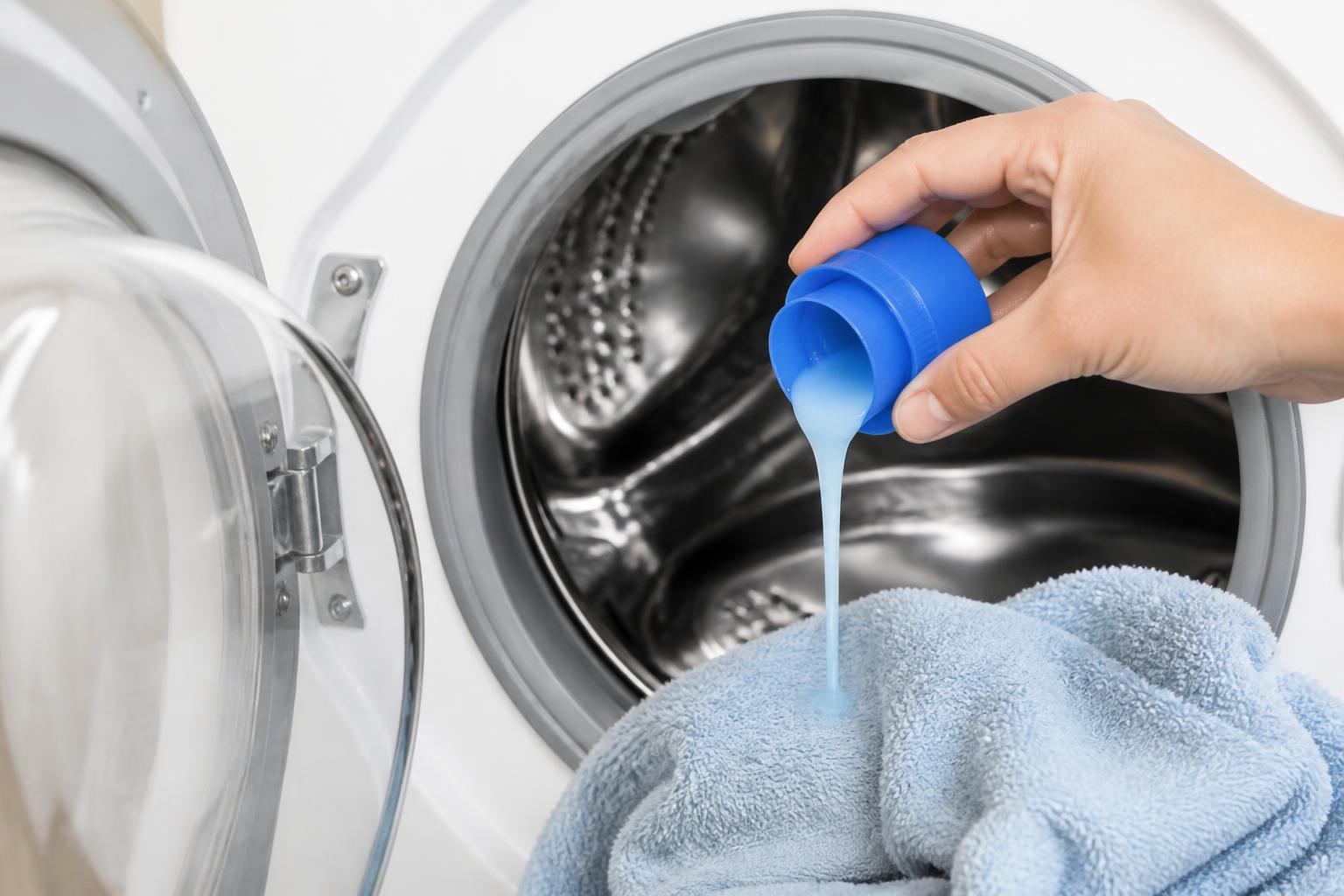
Add detergent: Measure 1 tablespoon of liquid HE detergent and put it directly into the drum. Powder detergent can leave residue in microfiber, and a full capful is too much. If you have hard water, use half that amount.
-
Set the cycle: Choose warm water (105–115°F) with a gentle or delicate cycle. Skip pre-soak and extra rinse unless the cloths are heavily soiled.
-
Run the wash: Let the machine complete the cycle. Do not add bleach, fabric softener, or any scent-boosting beads.
-
Check after wash: Feel a corner of a damp cloth. It should have a slightly rough, grippy texture. If it feels slippery or silky, fabric softener from a previous load has transferred onto the cloths. Rewash with a plain warm rinse cycle immediately.
-
Dry properly: Air dry on a line or rack. If using a dryer, select air-fluff or no heat (never above 140°F). Remove cloths as soon as they are dry. Overdrying on high heat stiffens the fibers and shrinks the cloth.
Verification step: Open your dryer door and check the available settings. If your machine has an “Air Fluff,” “No Heat,” or “Low Heat” button, use that. Some dryers label the low-heat option as “Delicate” or “Ultra Low.” If your dryer’s lowest setting is “Medium” (typically above 140°F), do not use the dryer at all. On washing machines, confirm that “Warm” actually falls in the 105–115°F range by running a thermometer check on an empty load if you have hard water or an older machine that may drift off temperature.
Escalation signal: If cloths come out of the dryer feeling greasy or showing a white powdery residue, you used too much detergent or your water is hard. Run a rinse-only cycle, then rewash with half the detergent you used before.
Step-by-Step Hand Washing Process
-
Prepare the soak: Fill a clean sink or bucket with warm water (about 110°F). Add a few drops of mild dish soap or liquid laundry detergent and swirl to mix.
-
Soak and massage: Submerge the cloths and let them soak for 10 minutes. Gently squeeze and release each cloth for about 30 seconds to work dirt loose. Do not wring or twist the fabric.
-
Rinse thoroughly: Drain the soapy water and refill with clean warm water. Squeeze each cloth under water repeatedly until no suds appear. Microfiber holds onto soap more than cotton, so this step often takes three or four water changes.
-
Check after rinse: Hold a cloth under running water. The water should sheet off evenly. If it beads up, soap residue is still trapped. Rinse again until water sheets.
-
Dry without damage: Gently squeeze out excess water with your hands. Hang cloths on a line or lay flat on a rack. Do not wring or twist. If you must use a dryer, follow the low-heat rules from machine washing.
Friction point: The most common hand-washing mistake is under-rinsing. To test, wipe a damp cloth across a clean glass. If the glass shows streaks or foam, rinse again.
Key Trade-Offs Between Machine and Hand Washing
Each method has a specific failure mode that the other avoids, so picking the wrong one costs you cloth life.
Machine washing trade-off: The machine does a better job flushing loose dirt out of the fibers because the agitation cycles water through the cloth repeatedly. But the machine also creates a risk of cross-contamination: if a previous load used fabric softener, that residue can cling to the drum and transfer to your microfiber. The consequence is subtle—your cloths gradually lose absorbency over 3–4 washes—and you will not notice until they start leaving streaks. Run an empty warm rinse cycle with a cup of white vinegar before washing microfiber to strip softener residue from the drum.
Hand washing trade-off: Hand washing lets you control pressure and avoid machine residue entirely, but it nearly always leaves some detergent trapped in the fibers unless you rinse aggressively. The consequence is a cloth that works fine for the first few minutes of use, then starts leaving soapy streaks as the trapped detergent releases onto the surface. In the final rinse, add 1 tablespoon of distilled white vinegar to the water—the mild acid helps release trapped detergent. Rinse again with plain water afterward.
When neither method is safe: If your cloths have been exposed to paint thinner, acetone, or any solvent-based cleaner, discard them. Solvents dissolve the synthetic fibers and the cloths will shed microplastics into your wash water.
Pre-Wash Verification Checks
Run through these checks before every wash to avoid the most common mistakes:
- No fabric softener in the detergent. Check the label carefully. Avoid anything with “softener,” “added scent,” or “fabric conditioner.”
- No bleach. Chlorine bleach destroys microfiber instantly. Oxygen bleach is safe only on white cloths and only when necessary.
- No dryer sheets. Even a single dryer sheet in a previous load leaves residue that transfers to microfiber.
- Water temperature confirmed. Check that your machine’s warm setting is actually warm (105–115°F), not hot. Hot water above 140°F can melt the fibers.
- Load size appropriate. Cloths should take up no more than half the drum to allow free water flow.
If any check fails, adjust before starting the wash. Do not proceed with a contaminated machine.
Microfiber Health Evaluation Logic
Run this quick diagnostic on any cloth you are unsure about:
INPUT: cloth_condition
IF water_bead_test == FAIL AND streak_test == FAIL:
 OUTPUT: "Permanently damaged. Repurpose or recycle."
ELSE IF water_bead_test == FAIL AND streak_test == PASS:
 OUTPUT: "Restricted use. Use for dry dusting only."
ELSE IF water_bead_test == PASS AND streak_test == PASS:
 OUTPUT: "Healthy. Continue normal cleaning rotation."
ELSE:
 OUTPUT: "Run rescue wash with vinegar. Retest."
Apply this test monthly to cloths you use most often. A cloth that looks clean can still be functionally dead from invisible softener residue.
Frequently Asked Questions
Can I use vinegar in every wash to prevent buildup?
No. Distilled white vinegar is a rescue treatment, not a regular additive. Weekly use weakens the fibers and shortens cloth lifespan. Stick to vinegar only when the water bead test indicates clogging.
How often should I replace microfiber cloths?
With proper washing, standard microfiber cloths last 300–500 washes. Replace them when they fail the water bead test after a vinegar rescue wash, when they develop frayed edges, or when they no longer pick up dust from a dry surface.
What detergent brands work best for microfiber?
Any liquid HE detergent without fabric softener, added scents, or fabric conditioner works. Seventh Generation Free & Clear, Tide Free & Gentle, and Kirkland Signature Free & Clear are commonly recommended by microfiber manufacturers. Avoid anything labeled “plus Oxi” or “stain release” as the additives can leave residue.
Can I wash microfiber with cotton towels?
No. Cotton lint clings to microfiber fibers and reduces absorbency. Always wash microfiber separately or only with other microfiber items.
What temperature is too hot for microfiber?
Any water temperature above 140°F can melt the polyester fibers in microfiber. Hot tap water in many homes runs at 120–130°F, which is borderline safe. Stick to warm (105–115°F) to be safe. If your washing machine’s warm setting runs hotter than 120°F, use cold water instead.
Explore This Topic
– How to Disinfect and Sanitize Microfiber Cloths Safely
– Microfiber vs Cotton Cleaning Cloths: An Honest Comparison
– How to Use Microfiber Cleaning Cloths for Every Surface

Sir Cleans a Lot is a professional home cleaning specialist with over 10 years of hands-on experience. He has helped thousands of homeowners tackle stubborn stains, eliminate mold, and keep their homes spotless using practical, science-backed methods. When he’s not testing the latest cleaning products or researching stain removal techniques, he’s sharing his expertise to make cleaning easier for everyone.