
Microfiber vs Cotton Cleaning Cloths: An Honest Comparison
If you’re weighing microfiber against cotton for your cleaning routine, the direct answer is: microfiber handles most surfaces and dirt types more efficiently, but cotton remains the better choice for delicate glassware, polishing, and high-heat situations. The material you pick determines how much elbow grease you’ll need, how often you’ll replace cloths, and whether streaks or lint get left behind.
Before you commit to either, the one decision criterion that shifts the recommendation is this: what are you actually cleaning, and how much grease or oil is involved? For oily kitchen surfaces and streak-free glass, microfiber’s split synthetic fibers physically trap and hold grime. For drying crystal wine glasses or buffing furniture polish, cotton’s smooth natural loops won’t scratch and won’t generate static. That single distinction drives the rest of this comparison.
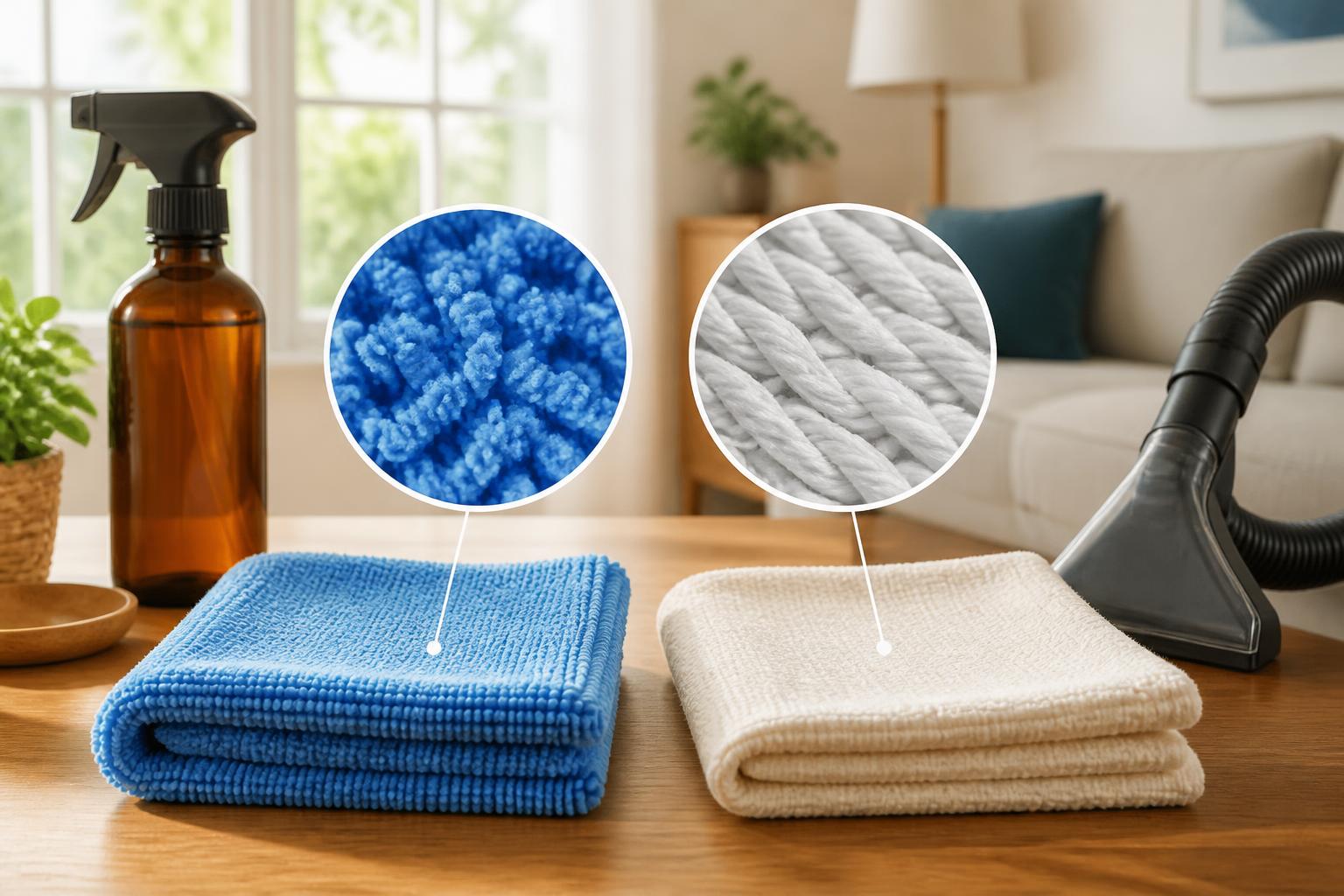
Why Microfiber and Cotton Clean Differently at the Fiber Level
The performance gap between these two materials isn’t marketing hype—it’s structural. Microfiber cloths are woven from ultra-fine polyester and polyamide (nylon) strands that are split during manufacturing, creating microscopic hooks and gaps across every fiber. Those splits act like tiny fingers that grab dust, grease, and bacteria, pulling them into the cloth rather than pushing them across a surface.
Cotton, by contrast, is a natural fiber with a smooth, rounded structure. It absorbs moisture well—often better than microfiber on a per-gram basis for pure water—but it doesn’t trap particulate matter the same way. Wipe a dusty shelf with cotton and you’re often relocating dust until the cloth saturates. With microfiber, the dust adheres to the synthetic fibers and stays put.
There’s a trade-off, though. Cotton’s smooth surface makes it less likely to scratch delicate items. Microfiber, especially lower-quality or older cloths with worn splits, can feel abrasive on polished glass or coated lenses. That’s why many households keep both materials in rotation—not because one is universally superior, but because each excels in specific scenarios.
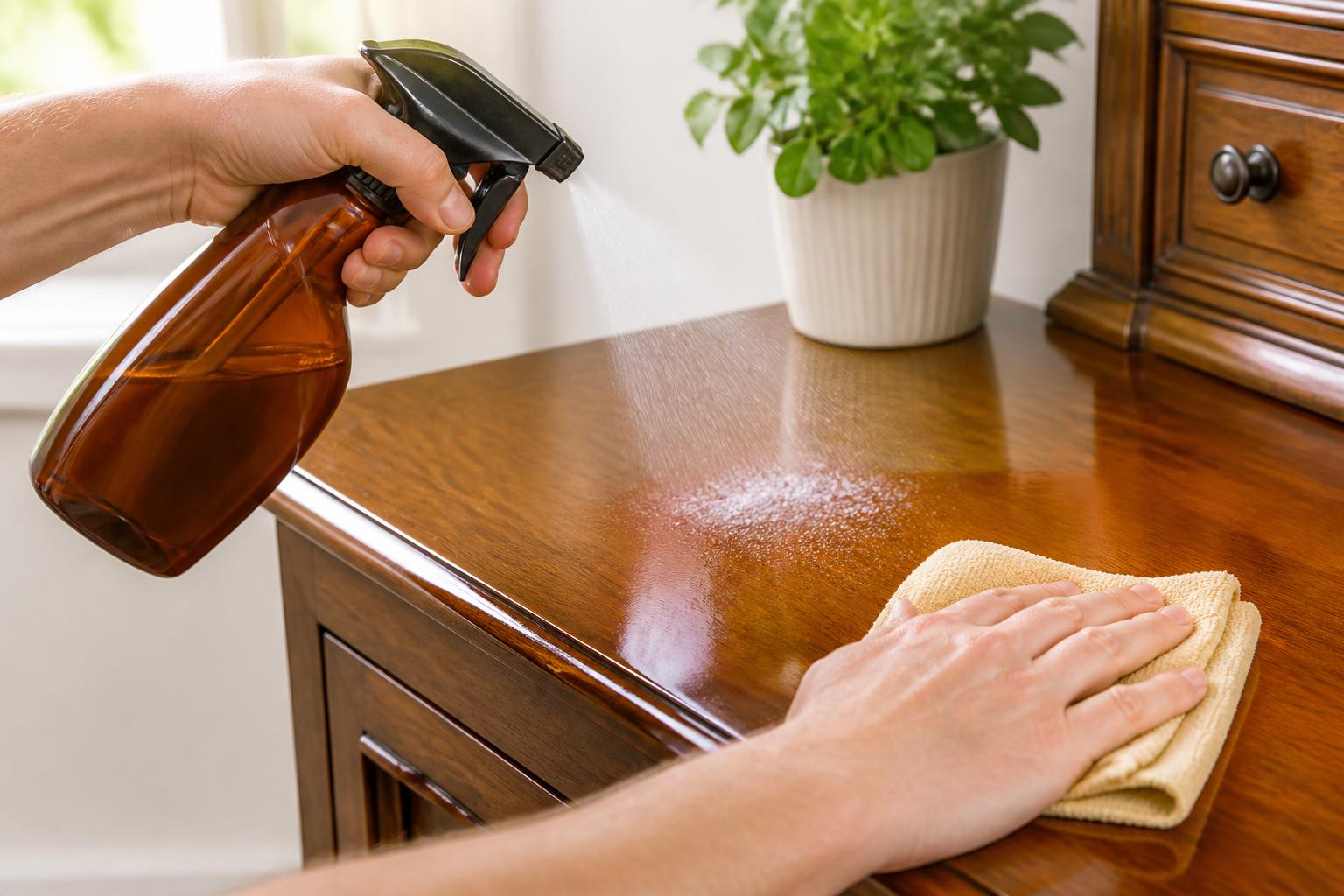
Performance Breakdown: Where Each Material Wins and Loses
Let’s examine the practical differences across the criteria that matter most when you’re cleaning.
Absorption and Drying Speed
Microfiber can absorb several times its weight in liquid. The JOYMOOP 18 Pack claims to soak up roughly three times its own weight, while the Fantasticlean roll states up to five times. The mechanism is capillary action between the split fibers, which creates more surface area for water to cling to. Cotton absorbs water into its fiber core, which works fine for spills but means the cloth stays wet longer and takes more time to dry between uses.
For drying dishes, cotton’s slower release can actually be an advantage—it wicks moisture off glass without leaving lint. Microfiber, especially lower-GSM varieties, can shed fine synthetic fibers on freshly washed glasses if the cloth is worn.
Streak and Lint Performance
This is where microfiber clearly separates from cotton on glass and mirrors. Because microfiber traps particles rather than pushing them, you get a streak-free finish with fewer passes. Cotton, especially after multiple washes when fibers begin to fray, can leave lint trails on glass. However, brand-new, high-quality cotton cloths (like flour sack towels) perform nearly as well on glass as microfiber, provided they’re not overloaded with water.
Grease and Oil Removal
Microfiber’s split fibers are exceptionally good at lifting grease from surfaces. The synthetic material doesn’t absorb oil the way cotton does—it traps it in the fiber gaps, allowing you to rinse the cloth and reuse it. Cotton absorbs oil into the fiber itself, which means it becomes saturated quickly, feels heavy, and requires more detergent to wash out. For kitchen counters, stovetops, and greasy range hoods, microfiber is the more efficient choice.
Durability and Lifespan
Cotton is naturally durable and can withstand high-heat washing and even bleaching. Microfiber requires more careful handling—no fabric softener, no high-heat drying, and ideally washing with other microfiber items to prevent lint pickup. That said, a good microfiber cloth can last through hundreds of washes if cared for properly. The MR.SIGA 12-pack, for example, features reinforced edges specifically to prevent fraying over time.
The real durability difference shows up in use, not washing. Cotton cloths used for heavy grease cleanup tend to hold onto odors and require more aggressive washing. Microfiber, being synthetic, resists odor buildup better and dries faster, which reduces bacterial growth between uses.
Cost Over Time
Cotton cloths are cheaper upfront—you can buy a dozen flour sack towels for less than a comparable pack of microfiber. But microfiber’s longevity and effectiveness mean you’ll likely use fewer cloths per cleaning session. A single microfiber cloth can replace several cotton rags for the same job, and because it doesn’t need to be replaced as often, the per-use cost evens out.
Comparison Table: Microfiber Options at a Glance
| Product | Material | Size | Pack Count | Key Features |
|---|

| JOYMOOP 18 Pack Microfiber Cleaning Cloth | 85% Polyester, 15% Polyamide | 10″ x 10″ | 18 | Streak-free on glass, lint-free, absorbs 3x weight, color-coded for task separation |
|---|---|---|---|---|
| Fantasticlean Microfiber Cleaning Cloth Roll | 87% Polyester, 13% Polyamide | 12″ x 12″ | 75 (roll) | Tear-away design, 175gsm, absorbs 5x weight, washable up to 50 times |
| MR.SIGA Microfiber Cleaning Cloth | 85% Polyester, 15% Nylon | 12.6″ x 12.6″ | 12 | Reinforced edges, scratch-free, works wet or dry, quick-drying |
Top Pick: The JOYMOOP 18 Pack Microfiber Cleaning Cloth offers the best balance of size, pack count, and versatility for general household cleaning. The 10-inch square is manageable for most tasks, the three-color assortment lets you assign cloths to different rooms (which prevents cross-contamination between bathroom and kitchen), and the 85/15 polyester-polyamide blend hits the sweet spot between absorbency and softness. If you need a larger quantity for workshop or garage use, the Fantasticlean roll gives you tear-away convenience, though the 175gsm weight is lighter than premium cloths and may not last as long.
A Decision Framework Based on Your Cleaning Patterns
Rather than asking “which is better,” ask “which fits my cleaning patterns.” Here’s a practical framework:
Choose microfiber if:
- You clean glass, mirrors, or stainless steel regularly and want streak-free results
- You deal with greasy kitchen surfaces and want cloths that rinse clean
- You want to reduce paper towel usage—microfiber replaces disposables effectively
- You’re willing to follow care instructions (no fabric softener, low-heat drying)
Choose cotton if:
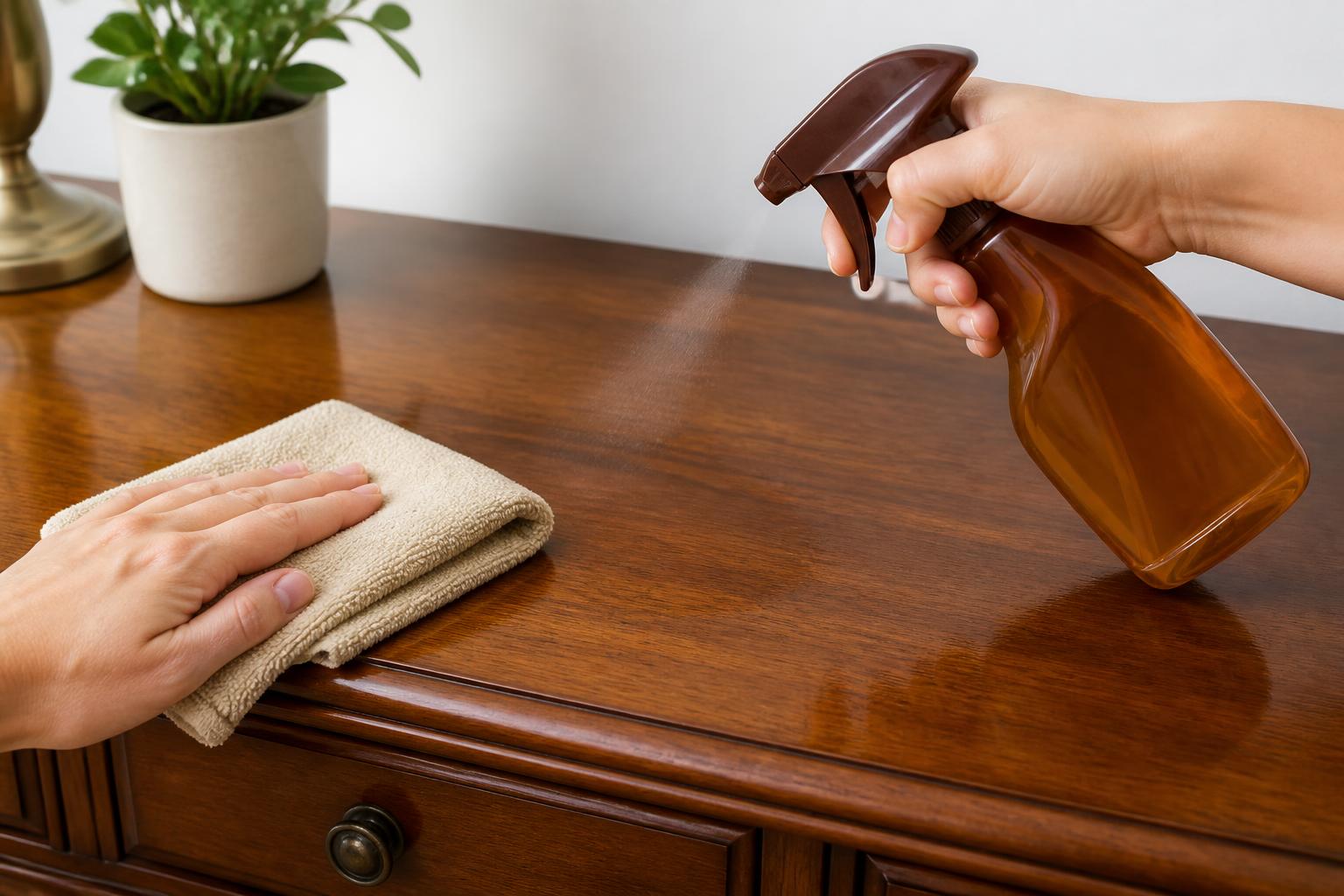
- You’re drying delicate glassware or polishing fine furniture
- You prefer a cloth that feels soft and natural in your hands
- You need something that can withstand high-heat washing and bleaching
- You’re working with surfaces that scratch easily, like certain coated metals or plastics
The hybrid approach: Keep both. Use microfiber for the bulk of your cleaning—counters, sinks, glass, dusting—and reserve a dedicated cotton cloth for drying glasses and final buffing on delicate surfaces. This isn’t overkill; it’s matching the tool to the job.
A Quick Fit Check for Your Cleaning Setup
Run through these five checks before you commit to a purchase:
1. Surface check: Do you clean more glass and mirrors than fabric or wood? If yes, microfiber is your primary cloth. If you’re mostly dusting wood furniture, cotton’s gentler touch may serve you better.
2. Grease check: Does your kitchen cleanup involve oil, butter, or cooking spray residue? Microfiber handles this better. If you rarely deal with grease, cotton’s absorbency is sufficient.
3. Care check: Are you willing to separate microfiber from other laundry and skip fabric softener? If not, cotton’s easier maintenance wins.
4. Replacement check: Do you prefer to replace cloths frequently or buy once and use for years? Microfiber lasts longer if cared for; cotton is cheaper to replace.
5. Sensitivity check: Do you have skin sensitivities or prefer natural fibers against your hands? Cotton is the safer choice for extended dishwashing sessions.
If you pass four or more checks for one material, that’s your answer. If you’re split, the hybrid approach is the practical middle ground.
Pro Tips Worth Knowing
Tip 1: Match GSM to the job. GSM (grams per square meter) tells you the cloth’s density. Lightweight microfiber (under 200 GSM) is best for dusting and quick wipes. Heavier cloths (300+ GSM) handle spills and heavy grease better. A common mistake is buying one weight and using it for everything—you’ll end up frustrated with performance on tasks the cloth wasn’t designed for. If you’re unsure what weight you need, this guide on how to choose microfiber cloth gsm breaks down the options.
Tip 2: Wash microfiber separately, and never use fabric softener. Fabric softener coats the synthetic fibers and destroys their ability to trap dirt. The same goes for dryer sheets. A common mistake is tossing microfiber in with a regular load that includes softener—one wash can permanently reduce the cloth’s effectiveness. Wash microfiber with other microfiber items using mild detergent, and air-dry or use low heat.
Tip 3: Replace microfiber when it stops “grabbing.” You’ll notice the cloth starts sliding across surfaces instead of catching dust and grime. That’s a sign the split fibers have worn down. A common mistake is keeping worn microfiber cloths for years and wondering why cleaning takes longer. Most microfiber cloths last 100–500 washes depending on quality; if you’re using them daily, plan to replace them annually. For guidance on extending their life, check out these tips on how to wash microfiber cloths.
When Cotton Makes More Sense Than Microfiber
Let’s be specific about cotton’s advantages, because they’re real and often overlooked.
Delicate glassware: Microfiber’s split fibers can catch on microscopic imperfections in crystal or etched glass. Cotton’s smooth surface glides over these without snagging. If you hand-dry wine glasses or heirloom crystal, a lint-free cotton cloth is the safer choice.
Polishing and buffing: When you apply furniture polish or car wax, you need a cloth that spreads the product evenly and then buffs it to a shine. Cotton’s natural fibers do this well. Microfiber tends to absorb the polish rather than spread it, which wastes product and leaves a hazy finish.
High-heat situations: If you’re cleaning around a hot oven or grill, cotton can withstand higher temperatures without melting. Microfiber is synthetic and will melt if it touches a hot surface. Keep a cotton cloth near your stove for handling hot cookware or wiping down warm surfaces.
Skin sensitivity: For people with eczema or sensitive skin, cotton is gentler on the hands during extended dishwashing or surface cleaning. Microfiber’s synthetic fibers can feel abrasive after prolonged contact.
The Cost Question: Is Microfiber Worth the Premium?
Cotton cloths are undeniably cheaper upfront. A pack of cotton dish towels might cost $10–15 for a dozen, while a comparable pack of microfiber runs $15–25. But the math changes when you factor in replacement frequency and effectiveness.
A single microfiber cloth can replace several cotton rags for the same job because it doesn’t need to be swapped out as often. When you’re cleaning a greasy stovetop, a cotton cloth saturates quickly and requires multiple rinses and re-applications. Microfiber keeps working because the grease is trapped in the fiber gaps, not absorbed into the material.
Over a year of regular cleaning, most households will use fewer microfiber cloths than cotton cloths, making the per-use cost comparable or lower. The bigger variable is care—if you accidentally ruin microfiber with fabric softener, you’re back to buying replacements sooner.
Common Mistakes to Avoid
Buying the cheapest microfiber you can find. Low-quality microfiber (often under 150 GSM) has fewer split fibers and performs closer to a smooth synthetic rag than true microfiber. You’ll get streaks and lint, which defeats the purpose. Look for at least 200 GSM for general cleaning, and higher if you’re tackling heavy grease.
Using fabric softener on any cleaning cloth. This applies to both cotton and microfiber, but it’s more damaging to microfiber. Softener coats fibers and reduces absorbency. For cotton, it also reduces absorbency and can leave a residue that transfers to surfaces.
Mixing microfiber with lint-producing fabrics in the wash. If you wash microfiber with cotton towels, the microfiber will pick up lint from the cotton and become less effective. Wash microfiber separately or with other synthetics.
Assuming all cotton is the same. Terry cloth, flour sack, and jersey cotton all behave differently. Terry cloth is thick and absorbent but can leave lint. Flour sack towels are thin, smooth, and lint-free—the better choice for glass and polishing. If you’re comparing cotton to microfiber, make sure you’re comparing apples to apples.
The Honest Takeaway
Both materials have a legitimate place in a well-stocked cleaning kit. Microfiber is the workhorse for most surfaces—it traps dirt, handles grease, and leaves glass streak-free. Cotton is the specialist for delicate items, polishing, and high-heat situations where synthetic fibers could be damaged.
If you’re buying one set of cloths for general household cleaning, microfiber is the better investment. Choose a mid-weight cloth (200–300 GSM) with a balanced polyester-polyamide blend, and follow the care instructions to get the longest lifespan. If you already own cotton cloths, keep them for the specific jobs where they excel, and add microfiber for everything else.
The best approach is to test both in your own home. Buy a small pack of each, use them for a week, and note which one you reach for more often. Your cleaning habits will tell you which material deserves the permanent spot in your caddy.

Sir Cleans a Lot is a professional home cleaning specialist with over 10 years of hands-on experience. He has helped thousands of homeowners tackle stubborn stains, eliminate mold, and keep their homes spotless using practical, science-backed methods. When he’s not testing the latest cleaning products or researching stain removal techniques, he’s sharing his expertise to make cleaning easier for everyone.