
How to Remove Mold From Towels: 4 Ways That Kill Spores for Good
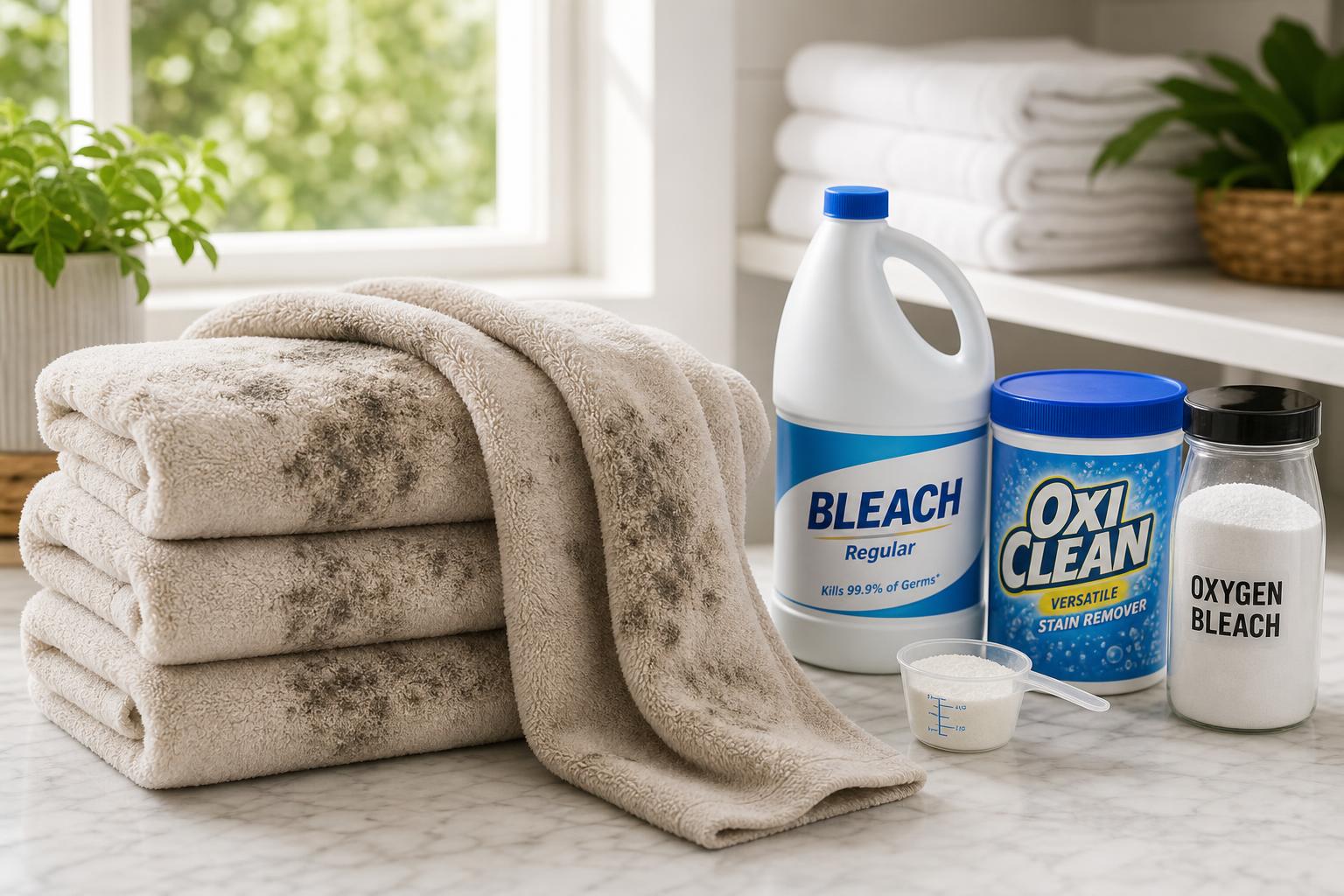
Finding dark spots or a sour smell on your favorite bath towel is frustrating. That damp, musty odor isn’t just unpleasant—it signals that mold and mildew have taken hold in the fabric fibers. The good news? You don’t need to toss the towel in the trash. With the right approach, you can learn how to remove mold from towels effectively and keep them fresh long-term.
The fastest way to kill mold spores is a hot water soak using white vinegar and baking soda. This combination breaks down the organic matter mold feeds on, neutralizes odors, and is safe for most fabrics. Below, we break down four proven methods, explain which works best for which fabric, and show you how to stop the problem from coming back.
Why Mold Takes Hold in Towel Fibers
Before you start scrubbing, it helps to understand what you’re fighting. Mold spores are everywhere—in the air, on your skin, and in your laundry room. They only become a problem when they find three things: moisture, warmth, and a food source. Towels provide all three.
Dead skin cells, body oils, and residual soap create a biofilm on towel fibers. When you hang a damp towel in a poorly ventilated bathroom, you’re essentially creating a petri dish. The mold doesn’t just sit on the surface; it penetrates the cotton fibers, which is why a simple wash cycle often fails to solve the problem.
Here’s the critical detail most guides miss: if your washing machine itself has mold in the drum or the rubber gasket, you’re just re-contaminating your towels during the wash cycle. We’ll cover how to break that loop in a dedicated section below.
Supplies and Safety Checks Before You Begin
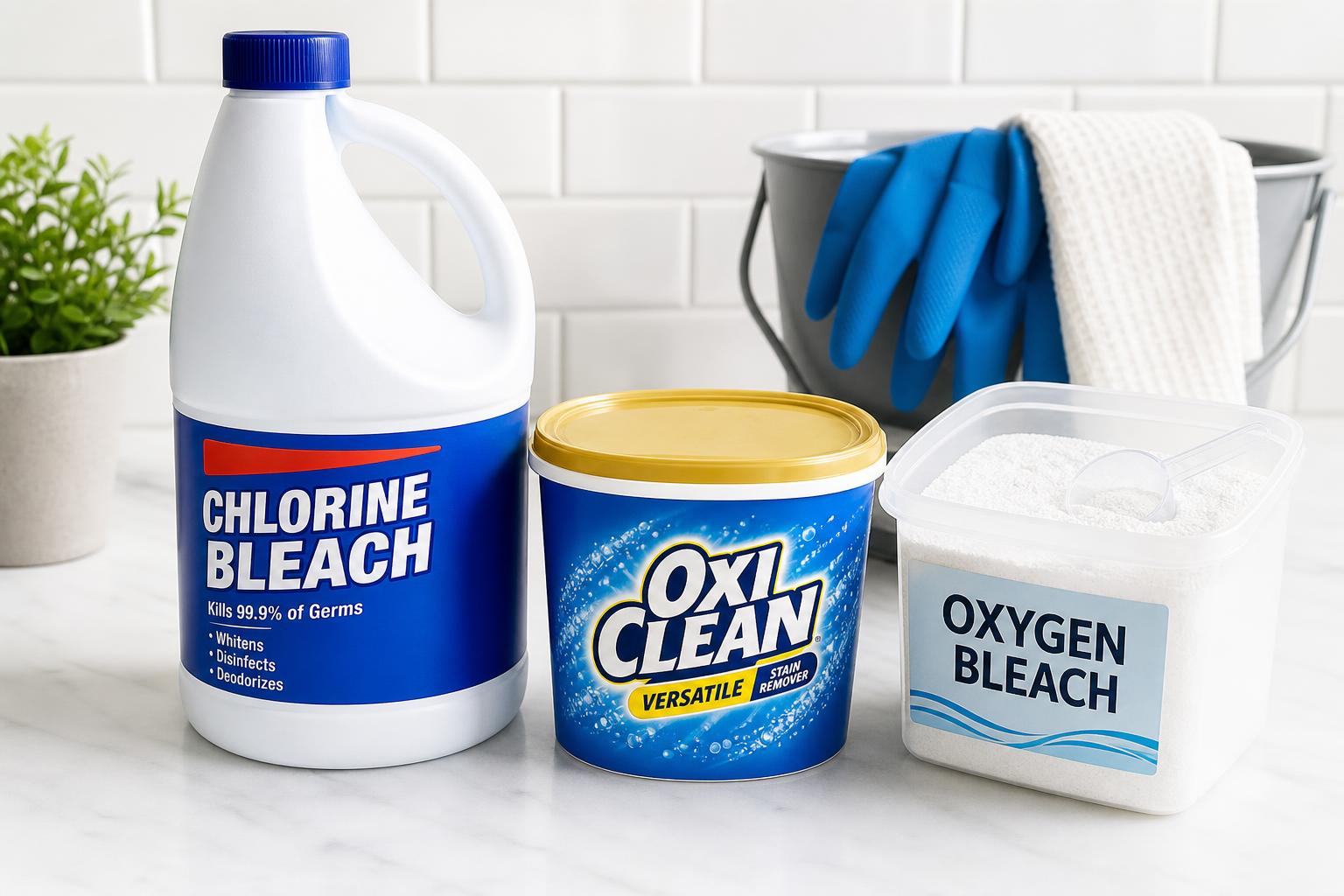
Gather these supplies before you start. Most are already in your kitchen or laundry room:
- White vinegar (distilled, not cleaning vinegar unless you’re okay with a stronger smell)
- Baking soda (a fresh box, not one that’s been sitting open for months)
- Oxygen bleach (like OxiClean) or chlorine bleach (for white towels only)
- Hot water—the hotter, the better. Aim for at least 140°F (60°C) if your water heater allows it
- Rubber gloves to protect your hands from mold spores and cleaning agents
- A mask if you’re sensitive to mold spores or have respiratory issues
Early checkpoint: Check the care label on your towel. If it says “cold water only” or “do not bleach,” you’ll need to adjust your approach. Most cotton and bamboo towels handle hot water fine, but delicate blends may shrink or fade.
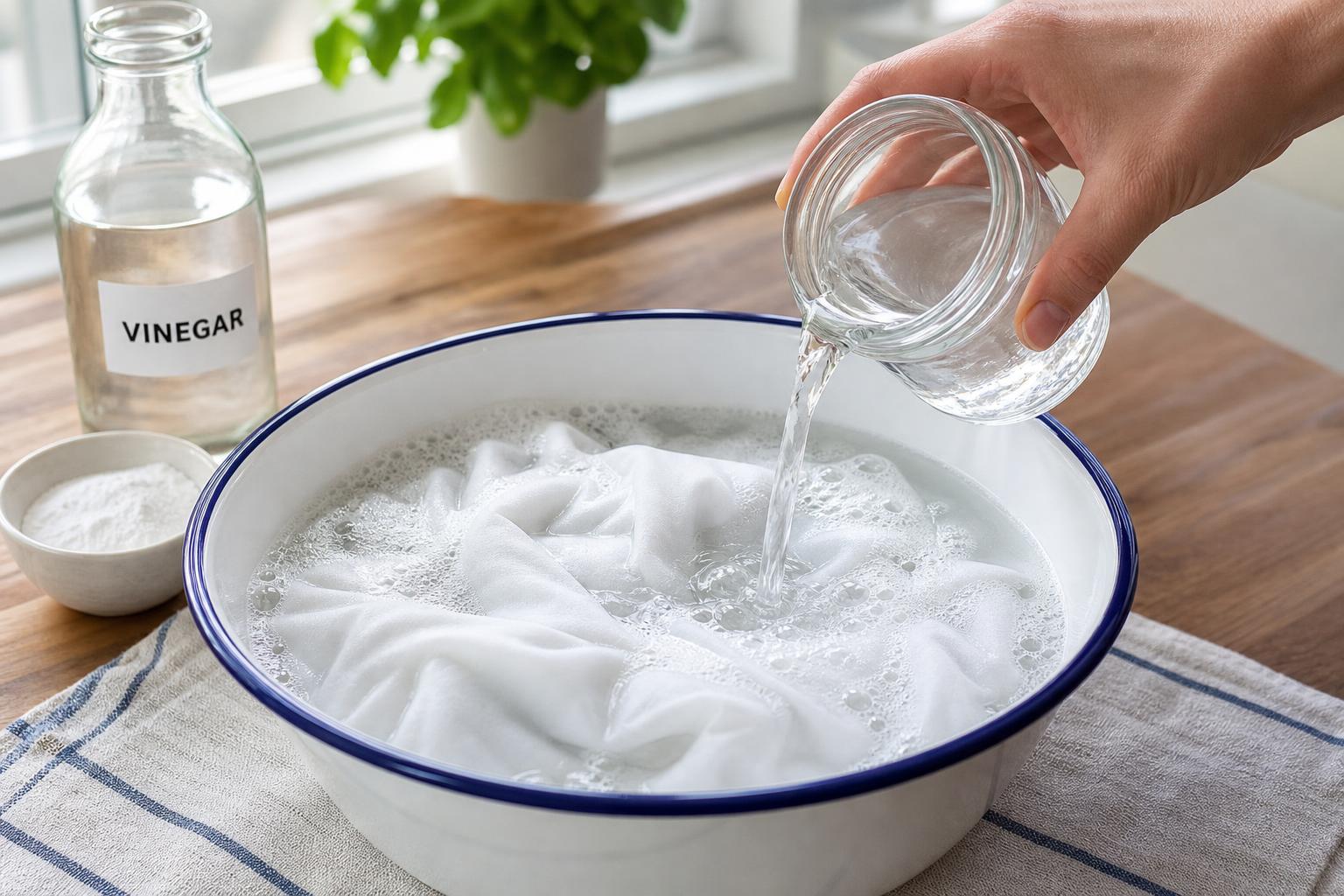
Branch point: If your towel is a synthetic blend (polyester, microfiber, or nylon), skip the hot water soak entirely. High heat can melt or warp synthetic fibers, permanently ruining the towel. Instead, use warm water with vinegar and air-dry. If your towel is 100% cotton or bamboo, proceed with the hot water methods below.
Method 1: Vinegar and Baking Soda Hot Soak (Safest for Most Fabrics)
This is the method we recommend starting with because it’s effective, affordable, and won’t damage colored or delicate towels.
Step-by-step instructions:
1. Pre-rinse the towel in cold water to remove loose dirt and surface mold. Wring it out well.
2. Fill your washing machine or a large tub with the hottest water available. If using a machine, set it to the largest load size and hottest setting.
3. Add 2 cups of white vinegar directly to the water. If you’re soaking in a tub, stir to distribute.
4. Submerge the towel and let it soak for at least 1 hour. For heavily moldy towels, soak for 3–4 hours or overnight.
5. Drain the vinegar water (do not spin or wring yet—you want the mold spores to stay suspended in the water you’re removing).
6. Run a normal wash cycle with your regular detergent and add 1/2 cup of baking soda to the drum along with the detergent. The baking soda helps neutralize the vinegar smell and boosts cleaning power.
7. Dry thoroughly—either in a dryer on high heat or in direct sunlight.
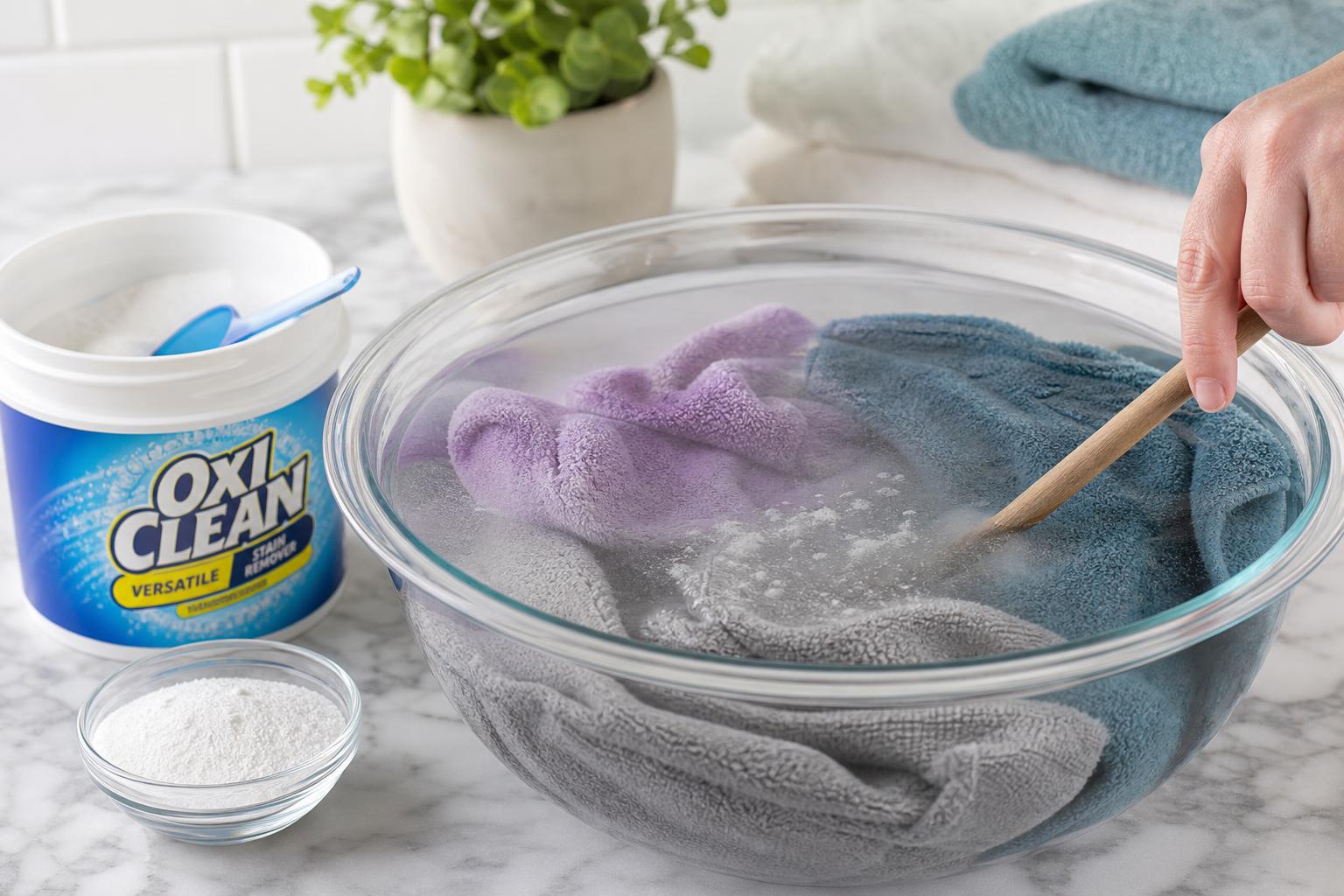
Why this works: Vinegar is acetic acid, which breaks down the alkaline compounds mold needs to survive. It also penetrates fabric fibers better than bleach. Baking soda is a mild abrasive and deodorizer that helps lift embedded spores during the wash cycle.
Pitfall to avoid: Don’t mix vinegar and baking soda together in the same cycle before the wash starts. They’ll foam up and neutralize each other, wasting their cleaning power. Use them sequentially as described above.
Verification step: After drying, smell the towel. It should smell like nothing—no vinegar, no mustiness. If you detect any remaining sour odor, the mold wasn’t fully killed. Move to Method 2 before using the towel again.
Method 2: Oxygen Bleach Soak (Best for Colored Towels)
If vinegar alone doesn’t do the trick, oxygen bleach is your next best option. Unlike chlorine bleach, oxygen bleach (sodium percarbonate) is safe for most colored fabrics and doesn’t leave behind toxic fumes.
Step-by-step instructions:
1. Check the label on your oxygen bleach product for the correct ratio. A general rule is 1 scoop per gallon of warm water.
2. Fill a tub or your machine with warm (not hot) water—oxygen bleach activates best between 100–140°F.
3. Dissolve the oxygen bleach completely in the water before adding the towel. Undissolved granules can leave white spots on colored fabric.
4. Submerge the towel and soak for 6–8 hours or overnight. For severe mold, extend the soak to 12 hours.
5. Drain and wash with your regular detergent on a warm cycle.
6. Dry thoroughly on high heat.
Why this works: Oxygen bleach releases hydrogen peroxide, which oxidizes and breaks down the organic compounds in mold. It’s gentler on fibers than chlorine bleach and won’t weaken cotton as quickly.
Pitfall to avoid: Don’t use fabric softener in the same cycle as oxygen bleach. The softener coats the fibers and can trap residual mold spores.
Branch point: If your towel is brightly colored or patterned, test the oxygen bleach solution on a small hidden corner first. While oxygen bleach is generally color-safe, some unstable dyes can fade. Wait 15 minutes, then check for color transfer. If the dye bleeds, switch to the vinegar method instead.
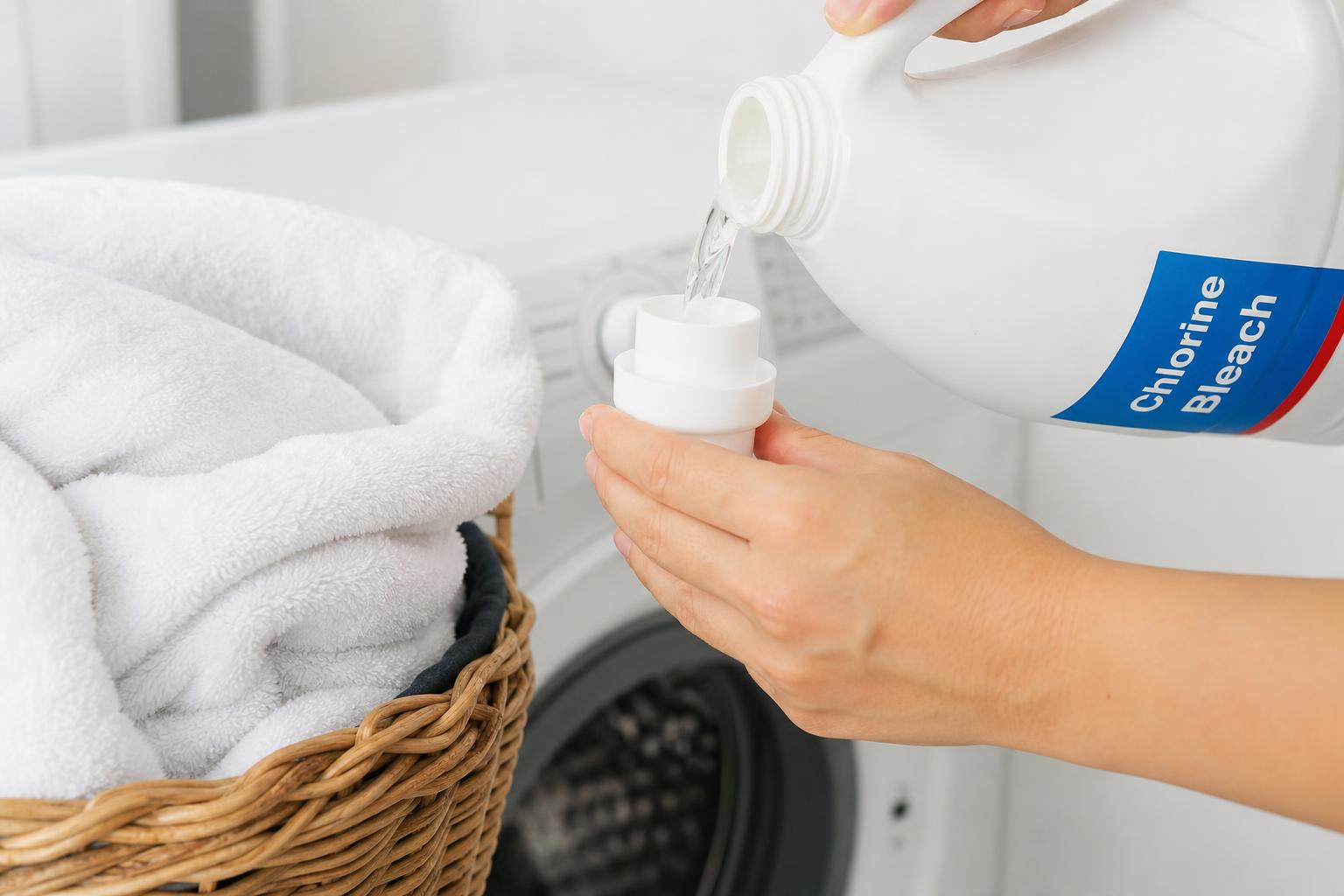
Method 3: Chlorine Bleach (Only for White Towels)
Chlorine bleach is the most aggressive option. It kills mold spores quickly, but it’s harsh on fabric fibers and can cause yellowing over time. Use this only for white cotton towels that are heavily moldy.
Step-by-step instructions:
1. Pre-soak the towel in plain water for 15 minutes. This prevents the bleach from being absorbed unevenly.
2. Mix a solution of 1 part chlorine bleach to 4 parts water in a plastic bucket or your machine’s bleach dispenser.
3. Soak the towel for 15–30 minutes maximum. Longer exposure weakens cotton fibers significantly.
4. Drain and run a complete wash cycle with detergent to remove all bleach residue.
5. Wash a second time with 1/2 cup of vinegar in the rinse cycle to neutralize any remaining bleach and remove the chemical smell.
6. Dry on high heat.
Why this works: Chlorine bleach oxidizes the cell walls of mold spores, killing them on contact. It’s the fastest method for killing mold.
Pitfall to avoid: Never mix chlorine bleach with vinegar or any acid. The combination produces toxic chlorine gas. If you use bleach, skip the vinegar until the next wash cycle.
Stop threshold: If you’ve used chlorine bleach and the towel still shows dark spots after drying, the mold has likely penetrated too deeply into the fibers. At this point, further bleaching will only weaken the fabric without removing the stains. Stop treating and replace the towel—especially if it’s a bath towel you use on your face or body.
Method 4: Sun Drying and UV Treatment (Free and Effective)
This isn’t a standalone method for heavily moldy towels, but it’s a powerful finishing step that kills residual spores.
Step-by-step instructions:
1. Wash the towel using any of the methods above.
2. Hang the towel outside in direct sunlight for 4–6 hours.
3. Flip the towel halfway through to expose both sides to UV rays.
4. Bring the towel inside and finish in a dryer on high heat for 20 minutes to ensure it’s completely dry.
Why this works: Ultraviolet light from the sun damages mold DNA and kills spores that survive the wash cycle. Sunlight also naturally bleaches stains and freshens fabric without chemicals.
Pitfall to avoid: Don’t leave colored towels in direct sunlight for extended periods—UV rays can fade dyes. Limit sun exposure to 2–3 hours for colored fabrics.
Choosing the Right Approach: A Decision Aid
Use this checklist to pick the method that fits your situation:
- Fabric type: Cotton or bamboo? → Vinegar soak or oxygen bleach. Synthetic blend? → Vinegar soak only (heat can damage synthetics).
- Color: White towels with heavy mold? → Chlorine bleach. Colored towels? → Oxygen bleach or vinegar.
- Mold severity: Light surface spots? → Vinegar soak. Deep-set mold or strong odor? → Oxygen bleach overnight soak.
- Sensitivity: Do you have respiratory issues? → Avoid chlorine bleach; use vinegar and sun drying.
- Time available: Need results in 1 hour? → Chlorine bleach (white only) or vinegar soak. Can wait overnight? → Oxygen bleach for best results.
Breaking the Washer Mold Contamination Loop
Here’s the scenario that frustrates most people: you wash your moldy towel, it comes out smelling fresh, and then two days later the smell is back. The culprit is often your washing machine.
Front-loading washers are especially prone to mold growth in the rubber door gasket and detergent drawer. If you’re dealing with recurring mold in towels, do this:
1. Run an empty hot water cycle with 2 cups of white vinegar (no detergent).
2. Wipe down the rubber gasket with a cloth dipped in vinegar, paying attention to folds and crevices.
3. Remove and clean the detergent drawer—it often harbors mold in the fabric softener compartment.
4. Leave the washer door open between loads to allow the drum to dry completely.
If you skip this step, you’re essentially washing your towels in mold-contaminated water. This is the most common reason why how to remove mildew from towels feels like a losing battle.
Escalation signal: If you’ve cleaned the gasket, drawer, and drum, but your towels still come out smelling musty, the mold may be inside the washer’s internal hoses or behind the drum. This requires professional disassembly. Stop running laundry and call an appliance repair technician—continued use can spread mold to every load you wash.
Preventing Mildew Smell in Towels: A Maintenance Routine
Once your towels are clean, the goal is to keep them that way. Here’s a simple routine that prevents mold from returning:
- Hang towels to dry immediately after use. Don’t leave them crumpled on the floor or in a hamper.
- Use a towel rack with good airflow. If your bathroom is humid, consider a heated towel rack or a dehumidifier.
- Wash towels every 3–4 uses. More frequent if you live in a humid climate or if towels stay damp for long periods.
- Skip fabric softener. It coats fibers and reduces absorbency, which means towels stay wetter longer. Use vinegar in the rinse cycle instead—it softens fabric naturally.
- Dry towels completely before storing. Even slightly damp towels in a closet will develop mildew within days.
For a deeper cover removing stubborn odors from your wardrobe, check out our guide on how to remove musty smell from clothes—the same principles apply to shirts, jeans, and bedding.
Frequently Asked Questions
Does vinegar actually kill mold spores on towels?
Yes. Vinegar’s acetic acid content (typically 4–6%) is effective at killing most mold species. It penetrates fabric fibers better than bleach and doesn’t leave toxic residues. However, it’s slower-acting than chlorine bleach—you need a prolonged soak (at least 1 hour) for best results. For severe infestations, combine vinegar with an oxygen bleach soak.
Can I use bleach and vinegar together to remove mold faster?
No. Mixing chlorine bleach with vinegar or any acid creates chlorine gas, which is toxic and can cause respiratory damage. Use them in separate cycles if you need both—bleach first, then vinegar in a subsequent rinse cycle to neutralize the bleach smell.
How do I know if a moldy towel is beyond saving?
If the towel has visible dark spots that remain after two full treatment cycles, or if the fabric feels slimy or has a permanent musty odor even when dry, it’s time to replace it. Mold can weaken cotton fibers, making the towel less absorbent and more prone to tearing. Also, if you have a compromised immune system or respiratory conditions, don’t risk keeping a heavily moldy towel—replace it.
What’s the best way to dry towels to prevent mold?
Air drying in direct sunlight is ideal because UV rays kill residual spores. If you use a dryer, run it on high heat until the towel is completely dry—not just “mostly dry.” Partially dried towels left in the machine will develop mildew within 24 hours. In humid climates, consider using a dehumidifier in the laundry area.
Can I wash moldy towels with other clothes?
No. Wash moldy towels separately. Mold spores can transfer to other fabrics during the wash cycle, contaminating your entire load. After washing moldy towels, run an empty hot water cycle with vinegar to clean the machine before washing regular clothes.
Is it safe to use moldy towels on my skin?
It’s not recommended. Mold can cause skin irritation, allergic reactions, and respiratory issues, especially for people with sensitivities. If you notice a musty smell or visible spots, treat the towel before using it again. For anyone with asthma, eczema, or a weakened immune system, replace the towel rather than risk exposure.
Your Action Plan for Fresh Towels
You now have four proven methods to remove mold from towels and the knowledge to prevent it from returning. Here’s your immediate next step:
1. Check your towel’s care label and fabric type.
2. Choose your method based on the decision aid above—vinegar soak for most cases, oxygen bleach for stubborn mold, chlorine bleach for white towels only.
3. Break the washer contamination loop by cleaning your machine before you wash the towel.
4. Dry completely and implement the prevention routine.
If you’re also dealing with mold on other fabrics, our guide on how to remove mold from clothes fabric covers shirts, pants, and delicate items. And if you’re comparing cleaning agents, our breakdown of vinegar vs bleach for mold explains the trade-offs in more detail.
Start with the vinegar soak tonight—it’s the safest, most affordable first step, and it works for the majority of moldy towels. You’ll know within a few hours whether you need to escalate to a stronger method.
Explore This Topic

Sir Cleans a Lot is a professional home cleaning specialist with over 10 years of hands-on experience. He has helped thousands of homeowners tackle stubborn stains, eliminate mold, and keep their homes spotless using practical, science-backed methods. When he’s not testing the latest cleaning products or researching stain removal techniques, he’s sharing his expertise to make cleaning easier for everyone.