
Best All-Purpose Cleaners: Natural vs Conventional Tested
If you’re comparing all-purpose cleaner sprays right now, the honest short answer is this: the best choice depends less on brand loyalty and more on three variables — the surfaces you clean most, your sensitivity to fragrance and chemicals, and whether you’re willing to trade a little grease-cutting power for a gentler ingredient list. Conventional cleaners typically win on raw degreasing strength; natural formulas win on safety margins and versatility across delicate surfaces. Neither category is universally superior, and the right pick shifts depending on your constraints.
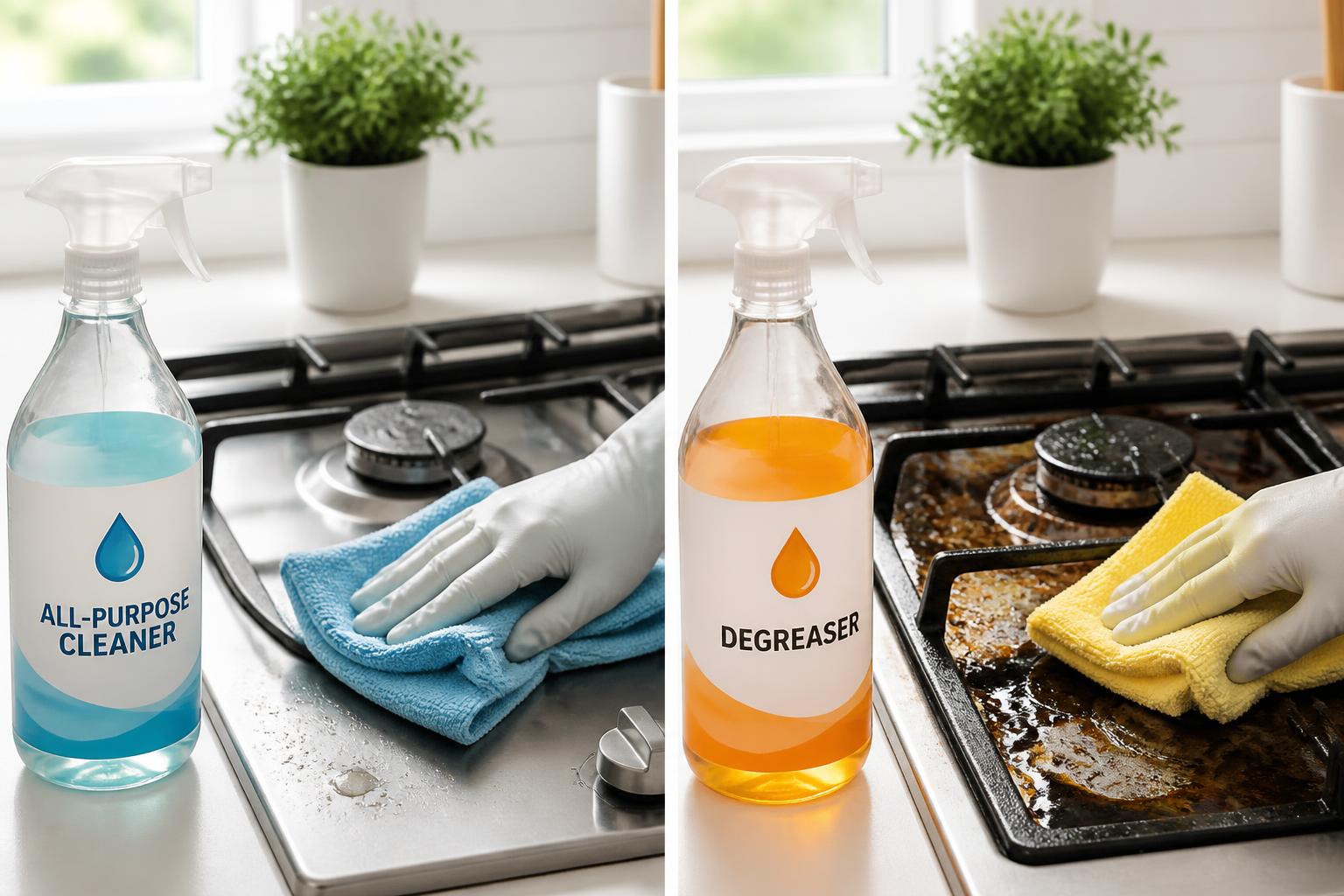
What this means for your next purchase: if your primary surfaces are sealed stone, stainless steel, and painted walls, and you have kids or pets in the house, a plant-based formula is the lower-risk default. If your main challenge is a greasy stovetop or range hood, plan to keep a dedicated degreaser on hand regardless of which all-purpose spray you choose — no single product in this category does both jobs well.
What “All-Purpose” Actually Covers (and Where It Fails)
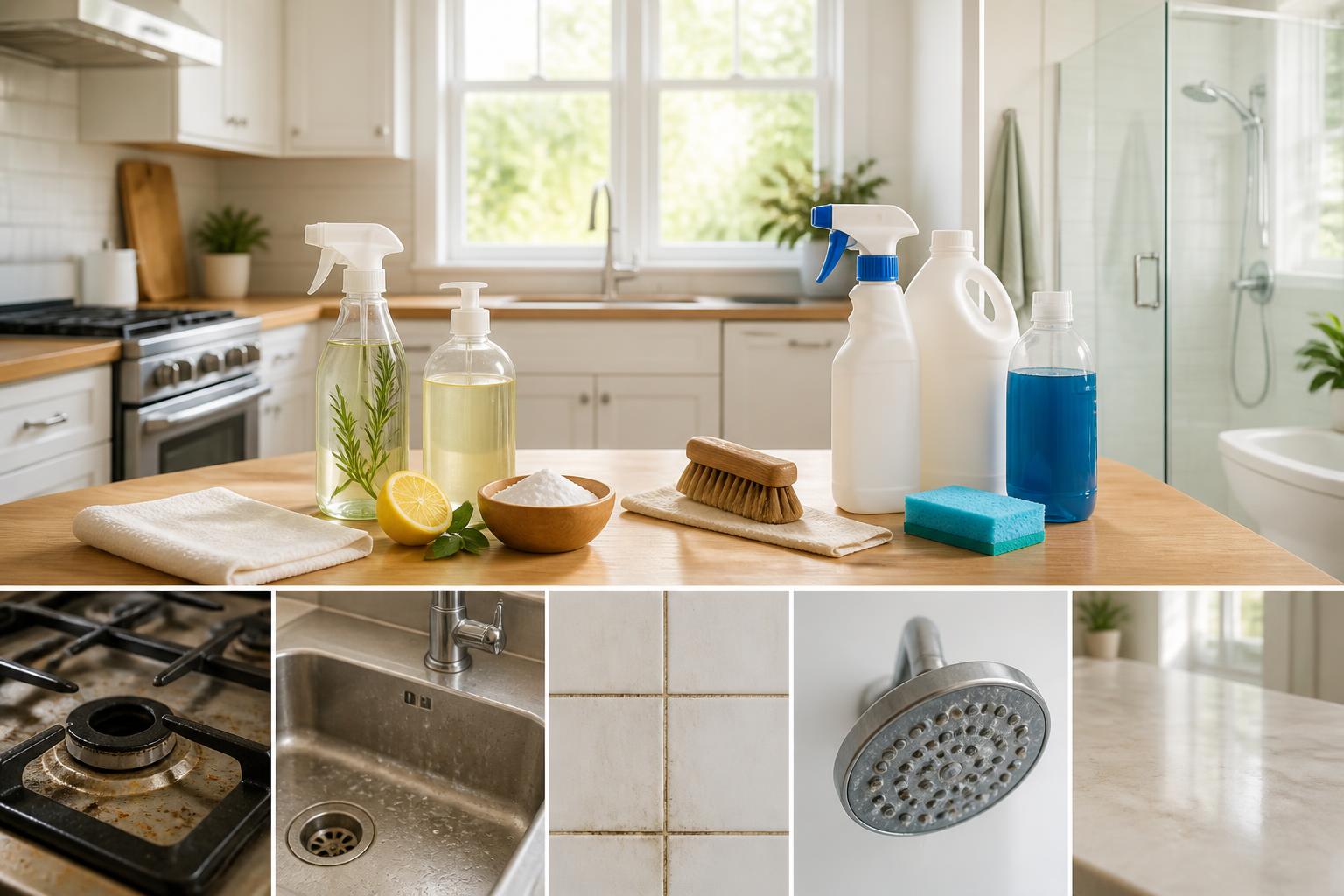
Before comparing specific products, it helps to define the category honestly. An all-purpose cleaner spray is a diluted surfactant solution designed for routine maintenance on multiple hard surfaces: countertops, appliances, sinks, tubs, and sometimes glass. It is not a degreaser, not a disinfectant, and not a heavy-duty scrub. Understanding that boundary prevents most buying mistakes.
Here’s a quick fit-check you can apply to any product before purchasing:
- Surface match: Does the label explicitly list your primary surfaces (e.g., sealed stone, stainless steel, painted walls)? If not, assume it’s not safe for them.
- Fragrance tolerance: Are you sensitive to synthetic fragrance? If yes, choose unscented or plant-oil-scented formulas only.
- Residue tolerance: Do you clean glass or mirrors frequently? If yes, look for a formula that dries streak-free without requiring a second wipe.
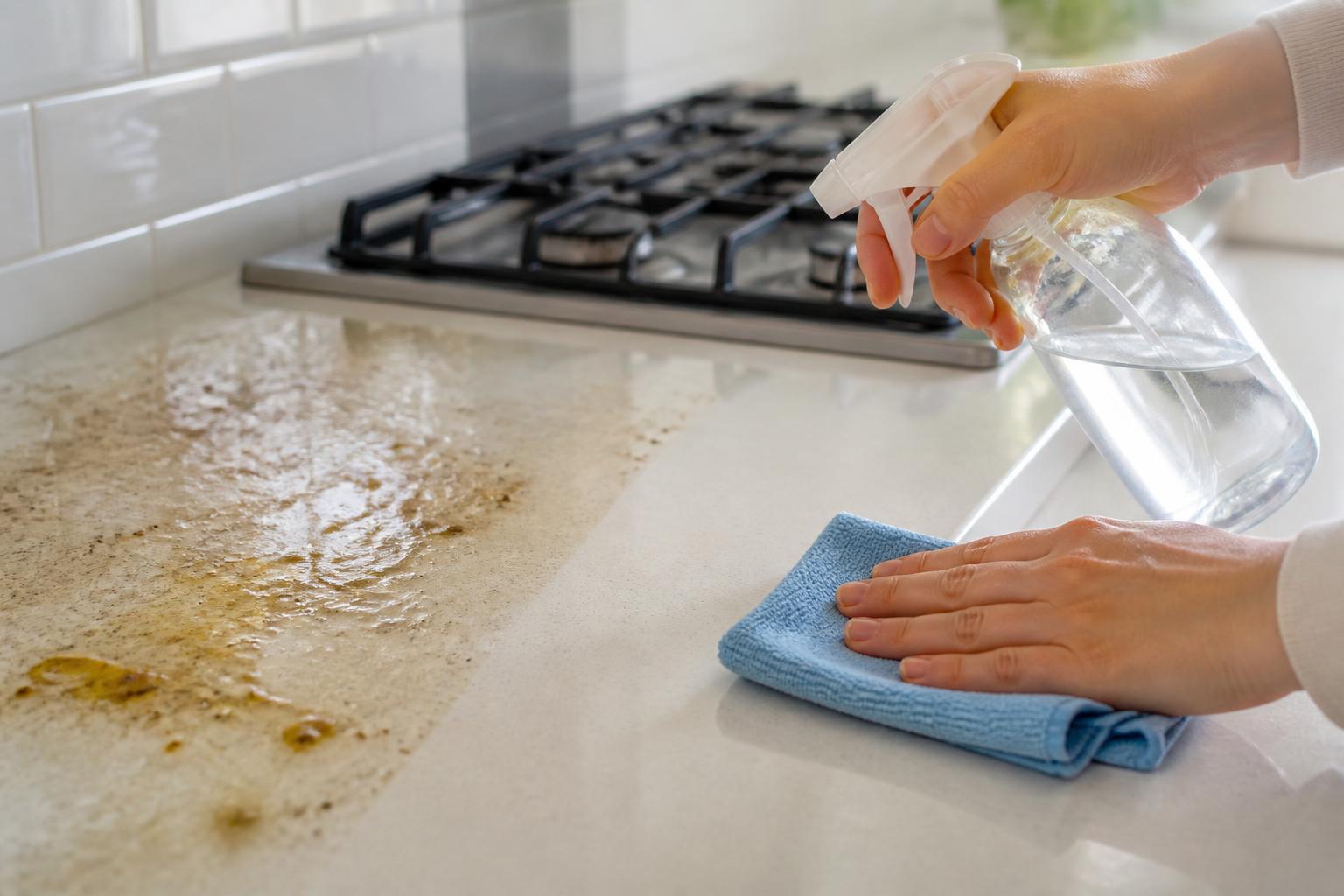
- Contact time: Are you cleaning grease or soap scum? If yes, expect to let the spray sit for 30–60 seconds before wiping — no all-purpose spray removes heavy buildup instantly.
- Pet/child exposure: Do you clean surfaces where food is prepared or where kids crawl? If yes, prioritize plant-based or no-rinse-safe formulas.
If you check “yes” on the first two items and “no” on the last one, a conventional cleaner will likely serve you better. If the reverse is true, a natural formula is the smarter buy.
How to verify fit before you buy: check the label for the specific surface names, not just “multi-surface” claims. If you have quartz countertops, look for explicit quartz or sealed-stone approval — some plant-based acids can etch unsealed natural stone over time. If the label lists “stone” without specifying “sealed,” treat that as a warning and test in an inconspicuous corner first.
The Natural vs Conventional Trade-Off, Explained
The core difference between natural and conventional all-purpose cleaners isn’t marketing — it’s chemistry. Conventional formulas typically use synthetic surfactants (often derived from petroleum) and solvents like glycol ethers or 2-butoxyethanol. These compounds are excellent at breaking down oils and greases quickly, which is why conventional sprays often outperform natural ones on tough kitchen buildup.
Natural formulas, by contrast, rely on plant-derived surfactants (often from coconut or corn) and organic acids like citric or lactic acid. These ingredients are generally milder on skin and respiratory systems, and they break down more readily in the environment. The trade-off is real: they may require more dwell time, more elbow grease, or a second pass on stubborn messes.
Where the trade-off actually hurts: if you’re cleaning a glass shower door with hard-water spots, a citric-acid-based natural cleaner will dissolve the mineral deposits but may leave a visible film that requires a second dry wipe. A conventional formula with chelating agents will often handle the same job in one pass. This isn’t a failure of the natural product — it’s a mismatch between the chemistry and the task. If streak-free glass is a priority, keep a dedicated glass cleaner for that surface and use the all-purpose spray elsewhere.
One important distinction: “natural” and “safe” are not synonyms. Some plant-based ingredients can still irritate sensitive skin, and some conventional formulas are perfectly fine for most households. The decision framework that actually matters is about your specific constraints — not about which label sounds better.
Comparison: Better Life All-Purpose Cleaner Line
Better Life is a useful case study because the brand offers both scented and unscented versions of the same plant-based formula, which lets you isolate the fragrance variable. All three variants below share the same core ingredient approach: no petroleum solvents, no chlorine or bleach, no added alcohols, no parabens, no SLS or SLES.
| Product | Brand | Key Features | Format |
|---|---|---|---|
| Better Life All Purpose Cleaner (Clary Sage/Citrus) | Better Life | Plant-based, cuts grease and grime, no harsh industrial ingredients, scented | 24 oz, pack of 2 |
| Better Life All Purpose Cleaner (Unscented, 2-Pack) | Better Life | Same plant-based formula, no added fragrance, for sensitive noses | 32 oz, pack of 2 |
| Better Life All Purpose Cleaner (Unscented, Single) | Better Life | Same plant-based formula, single-bottle option for trial | 24 oz, pack of 1 |
|---|
Top Pick: Better Life All Purpose Cleaner – Multipurpose Home and Kitchen Cleaning Spray for Glass, Countertops, Appliances, Upholstery & More – Multi-surface Spray Cleaner – 24oz (Pack of 2) Clary Sage/Citrus — this two-pack gives you the best cost-per-ounce value, and the clary sage/citrus scent is mild enough for daily use while still masking the vinegar-like base note that many plant-based cleaners carry.
A practical limitation to know: the 24 oz and 32 oz bottles use different cap designs, and the larger bottle’s trigger head is not interchangeable with standard spray bottle threads. If you plan to decant into your own best spray bottles cleaning setup, test the cap fit before committing to the bulk size — otherwise you’ll be stuck with the original sprayer, which delivers a coarser mist than some aftermarket heads.
How to Choose: A Decision Framework That Actually Changes the Answer
Here’s the criterion most buying guides skip: your water hardness and the age of your surfaces. Hard water leaves mineral deposits that interact differently with plant-based acids versus synthetic surfactants. If you live in a hard-water area and your fixtures have visible limescale, a natural cleaner with citric acid will actually outperform a conventional one on those deposits — but it may leave streaks on glass that a conventional formula wouldn’t.
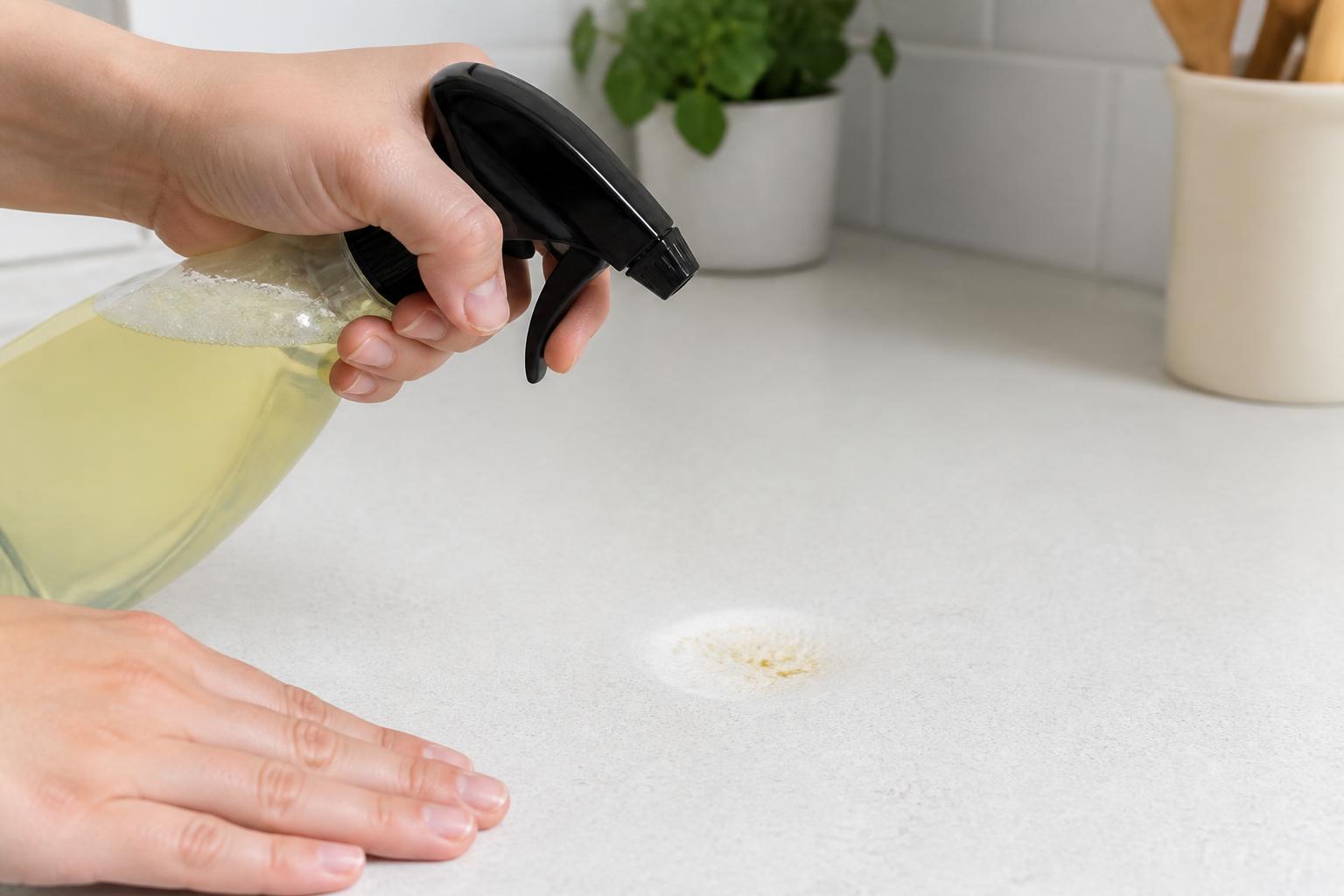
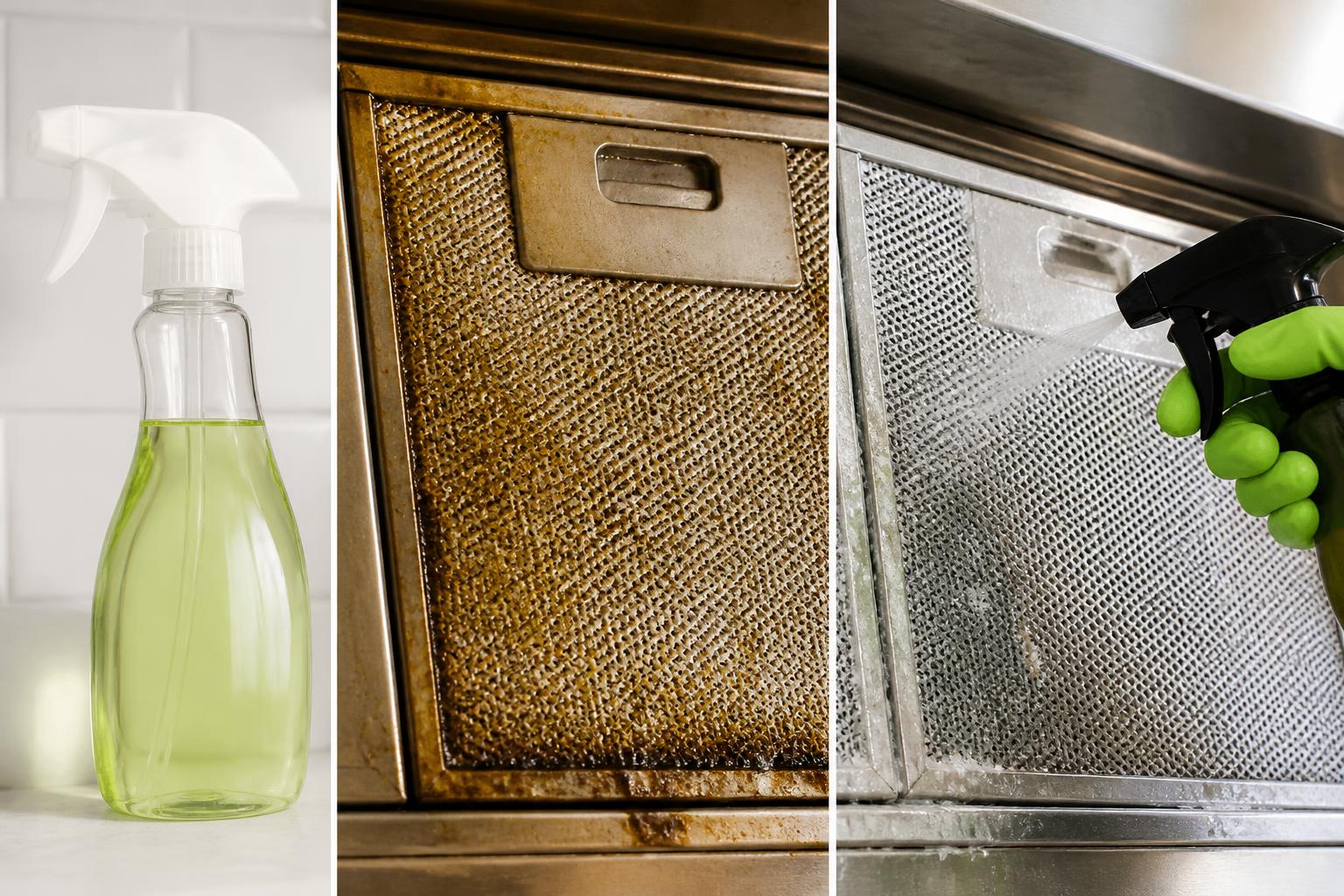
Conversely, if your kitchen sees heavy frying and your range hood filter is greasy, no natural all-purpose spray will replace a dedicated best kitchen degreaser. The all-purpose spray is for maintenance, not rescue work.
A second decision point: your spray bottle quality matters more than you think. A fine mist nozzle covers more surface area with less product, which means you use less cleaner per session. If your current sprayer produces a weak stream or clogged droplets, even the best all purpose cleaner will perform poorly. Pairing a good formula with a reliable spray bottle setup is the practical upgrade most people overlook.
The mismatch scenario to plan for: if you have unsealed granite or marble countertops, avoid citric-acid-based natural cleaners entirely. The acid can etch the stone, leaving dull spots that no amount of wiping will fix. In that case, a neutral-pH conventional formula is actually the safer choice — which flips the usual “natural is safer” assumption. Check your countertop’s sealing status before choosing a formula, not after.
For households with both pets and young children, the unscented Better Life variant is a defensible default because it eliminates the fragrance variable entirely while still handling routine messes. For households where fragrance is a non-issue and grease is the main challenge, a conventional formula will likely outperform it — and that’s the honest trade-off.
How to Test a New Cleaner Without Wasting Money
If you’re switching from conventional to natural (or vice versa), don’t commit to a bulk purchase immediately. Here’s a practical testing flow:
1. Buy the smallest available size — the single 24 oz bottle of Better Life unscented is a reasonable trial unit.
2. Test on one surface category first — start with your kitchen countertop, not your glass shower door.
3. Spray, wait 30 seconds, then wipe — this dwell time is critical for natural formulas; most people wipe too early and conclude the product doesn’t work.
4. Check for residue with a dry microfiber cloth — if streaks appear, the formula may not suit that surface.
5. Smell-test the space after 10 minutes — if the scent lingers unpleasantly, that’s a dealbreaker regardless of cleaning performance.
Early checkpoint: after step 3, run a finger across the dried surface. If you feel any tackiness or film, the product is leaving residue — that’s a fail for that surface, regardless of how well it removed the visible dirt.
Escalation signal: if the cleaner leaves visible film on your countertops after two attempts, stop using it on that surface and switch to a dedicated product. An all-purpose spray should not require repeated passes on routine dirt. If you’re seeing film on multiple surfaces, the issue is likely the formula-to-surface mismatch, not your technique — move on to a different product rather than increasing dwell time.
When a Single All-Purpose Spray Isn’t Enough
Even the best all-purpose cleaner has limits. For glass and mirrors, a dedicated best glass cleaner will outperform any multi-surface spray because it’s formulated with different surfactants that evaporate without residue. For car interiors, a best car upholstery cleaner addresses fabric-specific stains that an all-purpose spray won’t touch. And for scuff marks on walls, best magic eraser alternatives often work better than any liquid spray because they provide mechanical abrasion.
The cost of ignoring these limits: using an all-purpose spray on glass will leave you with streaks that require a second product anyway, doubling your cleaning time. Using it on fabric upholstery can leave soap residue that attracts more dirt over time. The all-purpose spray is not failing — you’re asking it to do a job it wasn’t designed for.
The practical takeaway: an all-purpose cleaner is your daily driver, not your only tool. Keep one good formula for routine wiping, and supplement it with specialty products for the specific problem spots in your home. If you’re organizing multiple products, a best cleaning caddy organizer makes the rotation easier to manage.
The Bottom Line on Natural vs Conventional
If you value minimal chemical exposure and have moderate cleaning needs, the Better Life plant-based line is a solid, honest choice — particularly the unscented versions if fragrance is a concern. If you value maximum grease-cutting speed and don’t mind synthetic ingredients, a conventional formula will serve you better. The best all purpose cleaner alt for your home is the one that matches your surface types, your sensitivity profile, and your willingness to let the product dwell before wiping.
Test small, match the product to your actual constraints, and keep your expectations realistic about what any single spray can do. That approach will save you more money and frustration than any brand recommendation alone.

Sir Cleans a Lot is a professional home cleaning specialist with over 10 years of hands-on experience. He has helped thousands of homeowners tackle stubborn stains, eliminate mold, and keep their homes spotless using practical, science-backed methods. When he’s not testing the latest cleaning products or researching stain removal techniques, he’s sharing his expertise to make cleaning easier for everyone.